
You have not yet added any article to your bookmarks!
Join 10k+ people to get notified about new posts, news and tips.
Do not worry we don't spam!
Post by : Anis Farhan
Tucked between rice paddies, forested highlands, and winding riverbanks, Southeast Asia’s cultural villages are emerging as vital bridges between the past and present. These are not just preserved settlements or museums — they are living environments where communities showcase their traditions, crafts, cuisines, and rituals to visitors seeking more than just sightseeing.
As modern tourism evolves from mass to meaningful, these villages represent a powerful trend: a desire for authentic cultural connection. Governments, tourism boards, and local communities are recognizing the potential of cultural villages not just as tourist attractions, but as tools of heritage preservation, local empowerment, and sustainable development.
Over the past decade, countries like Malaysia, Indonesia, Thailand, and Singapore have invested in developing or restoring cultural villages to cater to the growing demand for heritage-based tourism. What began as small community-led efforts have now matured into nationally supported models that attract both domestic and international visitors.
In Malaysia, the Mah Meri Cultural Village on Pulau Carey has become a model for preserving indigenous Orang Asli culture through traditional mask dances, storytelling, and wood carving. Thailand’s Ban Mae Kampong near Chiang Mai offers homestays where tourists can live with villagers, harvest tea, and participate in Buddhist alms-giving rituals.
Indonesia’s Desa Penglipuran in Bali, known for its pristine cleanliness and bamboo architecture, is now a top-rated destination on sustainable tourism charts. Even Singapore, a modern metropolis, has developed Kampong-style attractions like Geylang Serai Heritage Centre to highlight its Malay roots.
These villages are not simply constructed sets or re-enactments; many remain functional communities, where people live, work, farm, and raise families. Tourism, when managed ethically, complements rather than disrupts their way of life.
The appeal of cultural villages lies in their ability to immerse tourists in the rhythms of local life — weaving batik, pounding rice, cooking rendang over a woodfire, or joining traditional festivals. But this rising popularity brings challenges.
The influx of visitors can pressure villagers to perform rituals or crafts on-demand, turning sacred or routine activities into spectacles. Over-commercialization risks reducing centuries-old traditions to checklists for Instagram. In some cases, young residents may leave the village, preferring city jobs over tourism work, raising concerns about the continuity of cultural knowledge.
To address this, several ASEAN governments and NGOs are helping communities adopt sustainable models. These include limiting daily visitor numbers, creating cultural codes of conduct, reinvesting tourism profits into village infrastructure, and offering workshops that allow interaction rather than voyeurism.
When done right, tourism revitalizes rather than erodes culture — bringing pride, economic opportunity, and a new sense of value to heritage practices.
Cultural villages have become engines of microeconomic growth in rural and indigenous communities. Tourism revenue supports local schools, clean water projects, craft cooperatives, and agricultural improvement. Women often play key roles, running homestays, teaching crafts, and managing food services.
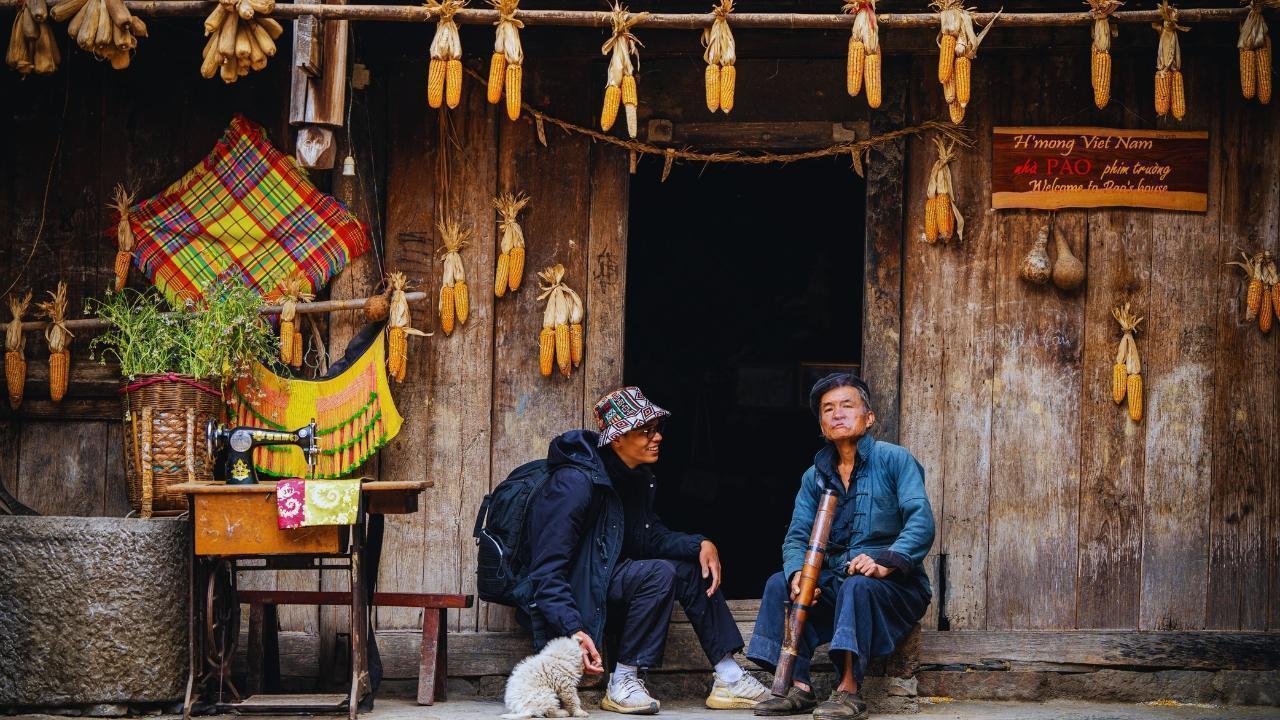
In Vietnam, the Ta Van village near Sapa has seen a revival of Hmong embroidery, previously fading, now taught to young girls due to tourist interest. In the Philippines, the Ifugao community near the Banaue Rice Terraces has turned ancestral farming techniques into both a tourist attraction and a classroom for environmental sustainability.
These successes, however, depend on ownership and participation. Projects imposed from outside — without community consent or cultural sensitivity — often fail. On the other hand, community-driven models not only preserve culture but create a sense of agency and pride.
Today’s tourists — especially millennials and Gen Z — are seeking more than scenic backdrops. They want cultural immersion, personal storytelling, and opportunities to contribute meaningfully. This explains the growing demand for slow travel, responsible travel, and voluntourism — all of which align with the philosophy behind cultural villages.
Many visitors choose to stay longer in one village, learn the language basics, join seasonal festivals, or help document oral histories. These exchanges break down stereotypes, foster cross-cultural empathy, and create long-term memories.
Cultural villages provide a canvas where the curiosity of travelers meets the hospitality of tradition, resulting in experiences that benefit both sides.
While cultural tourism is rooted in physical experience, digital platforms are helping villages gain visibility. Villagers are using Facebook, YouTube, and TikTok to showcase dances, crafts, and cooking tutorials — attracting visitors and preserving intangible heritage in digital form.
Tourism boards now support virtual village tours, especially post-pandemic, to reach global audiences and encourage future visits. Booking homestays, reserving seats at cultural performances, or even ordering handmade souvenirs has become seamless through integrated apps and websites.
But with visibility comes vulnerability. Cultural appropriation, copyright issues, and misrepresentation can emerge if narratives are not community-controlled. Digital empowerment must go hand-in-hand with cultural safeguarding.
At their best, cultural villages are more than destinations — they are stories told in architecture, song, spice, and soil. They remind us that progress doesn’t mean erasing the past, and that tradition can evolve without being lost.
In Southeast Asia, a region of immense diversity and shared history, cultural villages are quietly ensuring that the wisdom of ancestors finds space in the modern world — not behind glass, but alive and welcoming.
This article is for editorial and informational purposes only. It does not represent any tourism authority or government program. Readers are encouraged to check with local tourism offices and verified community organizations before visiting heritage sites.










PM Modi Pays Tribute to Mahatma Gandhi, Urges People to Support Khadi
PM Modi pays tribute to Mahatma Gandhi on Gandhi Jayanti and urges citizens to support Khadi and the

Amazon Seeks to Offload $8 Billion in Nvidia Chips to Investors
Amazon plans to move $8 billion in Nvidia chips to investors, using a new financing model to strengt

Samsung Raises Galaxy S26 Prices as Memory Chip Costs Rise
Samsung raises Galaxy S26 prices in South Korea as rising memory chip costs put pressure on smartpho

Lewis Hamilton Calls Singapore Grand Prix One of F1's Toughest Races
Lewis Hamilton discusses the demanding Singapore Grand Prix and brings Plus44 and Almave to Singapor

Denmark's Pandora Opens World's Largest Jewellery Factory in Vietnam
Pandora opens its largest jewellery factory in Vietnam, expanding global production, strengthening s

Gautam Gambhir Questions Batting-Friendly Pitches After India's Record ODI Chase
Gautam Gambhir questions batting-friendly ODI pitches after India’s record chase, calling for a bett

