
You have not yet added any article to your bookmarks!
Join 10k+ people to get notified about new posts, news and tips.
Do not worry we don't spam!
Post by : Anis Farhan
Imagine a world powered entirely by sunshine and wind. It sounds great, right? But there's a catch: the sun doesn't always shine, and the wind doesn't always blow. This is why energy storage is the missing piece in our clean energy puzzle. We need ways to capture and hold onto electricity when it's plentiful (like on a sunny afternoon) and release it when it's needed (like after sunset or on a calm night). This challenge has made the development of next-generation batteries and other advanced storage methods incredibly important for homes, electric vehicles (EVs), and entire power grids.
For a long time, the main way to store large amounts of electricity was through pumped-hydro storage, which involves pumping water uphill and releasing it to generate power when needed. While effective, it's limited to specific geographical locations. With the rapid growth of solar and wind power, we need more flexible and widely deployable solutions. The traditional power grid was built for big power plants that can be turned on and off. Now, with many smaller, sometimes intermittent renewable sources, the grid needs help staying stable.
This is where the revolution in energy storage comes in. Innovations in battery technology are making it possible to store power closer to where it's used, make renewable energy more reliable, and ultimately, speed up the world's shift away from fossil fuels. It's a race to find the safest, cheapest, and most efficient ways to store energy, and the breakthroughs happening today are truly remarkable.
For years, lithium-ion batteries have been the undisputed champion, powering everything from our smartphones to electric cars. They're powerful, relatively light, and can store a lot of energy. However, they have some limitations: concerns about the availability and cost of materials like lithium and cobalt, and safety issues like overheating. This has sparked an intense global race to develop next-generation battery technologies that offer better performance, lower costs, and greater sustainability.
One of the most talked-about advancements is solid-state batteries. Unlike traditional lithium-ion batteries that use liquid electrolytes (the material that allows charge to flow), solid-state batteries use a solid material. This makes them potentially much safer, as they are less prone to catching fire. They also promise higher energy density, meaning they can store more power in a smaller space, and could charge much faster. Companies like Toyota and QuantumScape are pouring resources into making these a reality for electric vehicles, which would allow EVs to go much farther on a single charge and recharge in minutes.
Another exciting alternative is sodium-ion batteries. Sodium is super abundant and much cheaper than lithium, making these batteries a very attractive option, especially for large-scale grid storage where size and weight are less critical than cost. While they might not have the same energy density as lithium-ion yet, their lower cost and widespread availability make them a strong contender for many applications. Other promising technologies include lithium-sulfur batteries, which could offer even higher energy density, and zinc-air batteries, known for their safety and environmental friendliness. This search for alternatives is diversifying our storage options and making the clean energy transition more sustainable.
The biggest role for advanced energy storage is in making our power grids cleaner and more stable. Renewable energy sources like solar and wind are "intermittent" – they produce power only when the sun shines or the wind blows. Batteries solve this problem by providing a crucial buffer.
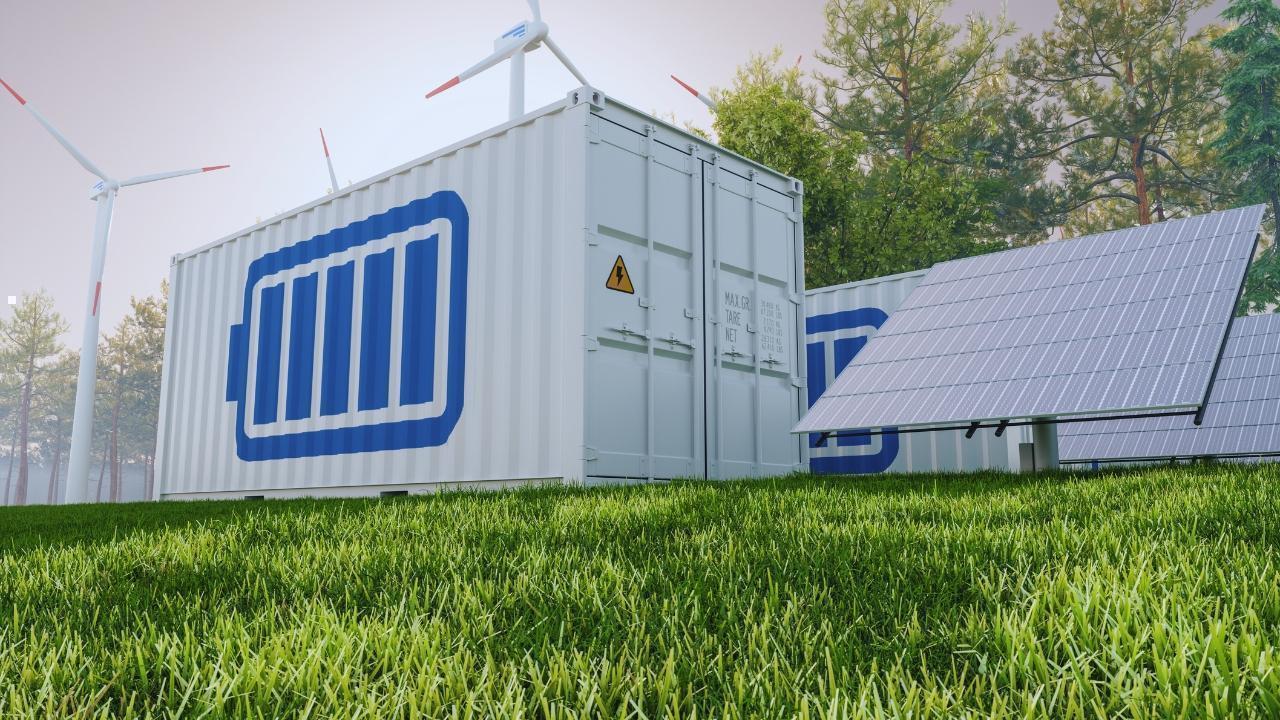
Battery Energy Storage Systems (BESS) are large-scale battery installations that can store excess electricity generated by solar farms or wind parks. When the sun sets or the wind dies down, these batteries can release the stored energy back into the grid, ensuring a continuous and reliable power supply. This helps balance the supply and demand of electricity, preventing blackouts and reducing the need for traditional, fossil-fuel "peaker plants" that only fire up during times of high demand. By smoothing out these energy ups and downs, batteries make it easier and more cost-effective to integrate more renewable energy into our electricity mix.
Beyond large battery farms, other technologies are also emerging for grid-scale storage. Flow batteries, for example, store energy in external tanks of liquid chemicals. This unique design means their energy capacity can be scaled up by simply adding larger tanks, making them ideal for long-duration storage needs – from several hours to days. While still less common than lithium-ion, flow batteries offer advantages like very long lifespans and excellent safety, making them a strong contender for utilities looking for robust, long-term energy solutions. These diverse storage options are essential for building smart grids that can handle the complexities of a truly renewable energy future.
The impact of next-gen batteries goes right down to our personal lives, transforming electric vehicles (EVs) and giving us more energy independence at home.
For EVs, better batteries mean longer driving ranges and faster charging times. Imagine an electric car that can travel as far as a petrol car on a single charge and recharge in the time it takes to grab a coffee. Solid-state batteries, lithium-sulfur, and other high-energy-density alternatives are paving the way for this. These advancements are crucial for making EVs the preferred choice for more people, reducing our reliance on fossil fuels for transportation. We're also seeing the growth of Vehicle-to-Grid (V2G) technology, where EVs can not only draw power from the grid but also feed excess power back into it during peak demand, turning millions of cars into mobile energy storage units.
At home, residential battery storage systems are becoming increasingly popular, especially when paired with rooftop solar panels. Homeowners can store surplus solar energy generated during the day and use it at night, reducing their electricity bills and their reliance on the main grid. These smart home batteries can also provide backup power during outages, giving families energy security. Some systems are even intelligent enough to optimize charging and discharging based on electricity prices, saving homeowners even more money. The ability to store your own clean energy gives you more control over your power consumption and makes your home more resilient.
While the future of energy storage looks incredibly promising, there are still challenges to overcome. The cost of these advanced batteries, especially for large-scale deployment, remains a barrier, though prices are falling rapidly. Supply chain issues for critical raw materials like lithium, cobalt, and nickel are also a concern, pushing for more sustainable mining practices and increased recycling efforts. Ensuring the safety and longevity of new battery chemistries is also vital before widespread adoption.
Governments, industries, and researchers worldwide are collaborating intensely to address these hurdles. Investment in battery research and manufacturing is soaring, and policies are being put in place to encourage the adoption of energy storage. The goal is to create a robust, diverse, and sustainable energy storage ecosystem that can support a truly green global economy. As these next-generation batteries continue to evolve, they will unlock unprecedented levels of clean energy adoption, power our homes more efficiently, revolutionize transportation, and ultimately, help build a more sustainable and resilient future for everyone.
The views herein are the author's and don't reflect Newsible Asia's official stance. This content is for information only, not professional advice. Readers should research and consult experts before acting. Newsible Asia is not responsible for any losses from reliance on this article.










PM Modi Pays Tribute to Mahatma Gandhi, Urges People to Support Khadi
PM Modi pays tribute to Mahatma Gandhi on Gandhi Jayanti and urges citizens to support Khadi and the

Amazon Seeks to Offload $8 Billion in Nvidia Chips to Investors
Amazon plans to move $8 billion in Nvidia chips to investors, using a new financing model to strengt

Samsung Raises Galaxy S26 Prices as Memory Chip Costs Rise
Samsung raises Galaxy S26 prices in South Korea as rising memory chip costs put pressure on smartpho

Lewis Hamilton Calls Singapore Grand Prix One of F1's Toughest Races
Lewis Hamilton discusses the demanding Singapore Grand Prix and brings Plus44 and Almave to Singapor

Denmark's Pandora Opens World's Largest Jewellery Factory in Vietnam
Pandora opens its largest jewellery factory in Vietnam, expanding global production, strengthening s

Gautam Gambhir Questions Batting-Friendly Pitches After India's Record ODI Chase
Gautam Gambhir questions batting-friendly ODI pitches after India’s record chase, calling for a bett

