You have not yet added any article to your bookmarks!
Join 10k+ people to get notified about new posts, news and tips.
Do not worry we don't spam!
Post by : Anis Farhan
The world’s oceans have long been a primary source of food, income, and cultural identity. For billions of people, seafood is not only a dietary staple but also a crucial source of protein and livelihood. However, the strain on marine resources has reached alarming levels. Overfishing has pushed many fish populations to the brink, disrupting ecosystems and endangering food security.
At the same time, aquaculture—the farming of fish and other aquatic organisms—has expanded rapidly as an alternative. While it helps meet rising demand, aquaculture brings its own environmental challenges, from water pollution to habitat loss. The pressing question remains: how can humanity meet protein needs without destroying marine ecosystems in the process?
According to the UN’s Food and Agriculture Organization (FAO), nearly one-third of the world’s fish stocks are overfished, while over 60% are fully exploited. This means that only a fraction of fish populations remain within sustainable levels. Asia, home to many of the world’s largest fishing nations—China, Indonesia, and India—accounts for a major share of global catches.
Overfishing disrupts marine food chains, leading to declines in predator species such as tuna and cod, while also threatening small-scale fishers who depend on local stocks. The long-term ecological damage is profound: coral reefs suffer when herbivorous fish vanish, and entire ecosystems collapse when keystone species are depleted.
Seafood demand is rising for several reasons:
Population Growth: With global population set to exceed 9 billion by 2050, seafood consumption is expected to increase significantly.
Nutritional Value: Fish is considered a “superfood,” rich in omega-3 fatty acids, vitamins, and minerals.
Cultural Preferences: In Asia, seafood is integral to traditional cuisines, festivals, and livelihoods.
Export Markets: Countries like Vietnam, Thailand, and India rely on seafood exports as major foreign exchange earners.
This growing demand creates pressure to extract more from oceans while also boosting aquaculture as a fast-growing industry.
Aquaculture now provides nearly half of the world’s seafood supply, and its growth has been especially strong in Asia. China dominates global fish farming, producing species such as carp, tilapia, and shrimp at industrial scales.
The benefits of aquaculture are clear:
It relieves pressure on wild fish stocks.
It provides jobs and income for millions.
It ensures steady supply to domestic and international markets.
However, large-scale aquaculture comes with serious environmental costs. Shrimp farming, for instance, has destroyed vast mangrove forests in Southeast Asia, while poorly managed fish farms contribute to water pollution and disease outbreaks.
Aquaculture’s rapid expansion has raised concerns over sustainability. Key issues include:
Water Pollution: Excess feed, antibiotics, and fish waste contaminate surrounding waters.
Habitat Loss: Conversion of wetlands and mangroves into fish ponds damages ecosystems.
Disease and Parasites: High-density farming makes fish more vulnerable to disease, often leading to the use of harmful chemicals.
Feed Dependency: Many farmed fish are carnivorous and require fishmeal, which is often produced from wild-caught fish, creating further strain on marine resources.
Balancing the benefits of aquaculture with its risks requires innovation, regulation, and community participation.
While industrial fleets dominate headlines, small-scale fishers form the backbone of many coastal economies, particularly in South and Southeast Asia. These communities rely heavily on sustainable stocks for their daily survival. When fish populations decline, it is often the small fishers who suffer first.
Promoting community-based management, enforcing seasonal bans, and protecting breeding grounds can help safeguard both ecosystems and livelihoods. Empowering local fishers to participate in decision-making ensures that sustainability becomes a shared responsibility.
Governments and international organizations are stepping in with policies to curb overfishing and promote sustainable aquaculture. Measures include:
Marine Protected Areas (MPAs): Designating no-fishing zones to allow ecosystems to recover.
Quotas and Licensing: Limiting the number of fishing vessels and catch sizes.
Sustainable Certification: Programs like the Marine Stewardship Council (MSC) label encourage consumers to buy responsibly sourced seafood.
Regulation of Fish Farms: Imposing standards to minimize pollution and disease spread.
Regional cooperation is critical, since fish stocks do not recognize national borders. Multilateral agreements across Asia-Pacific countries are essential to manage shared resources.
Advances in technology are offering hope for sustainable seafood. Examples include:
AI and Satellite Tracking: Monitoring illegal fishing and ensuring compliance with quotas.
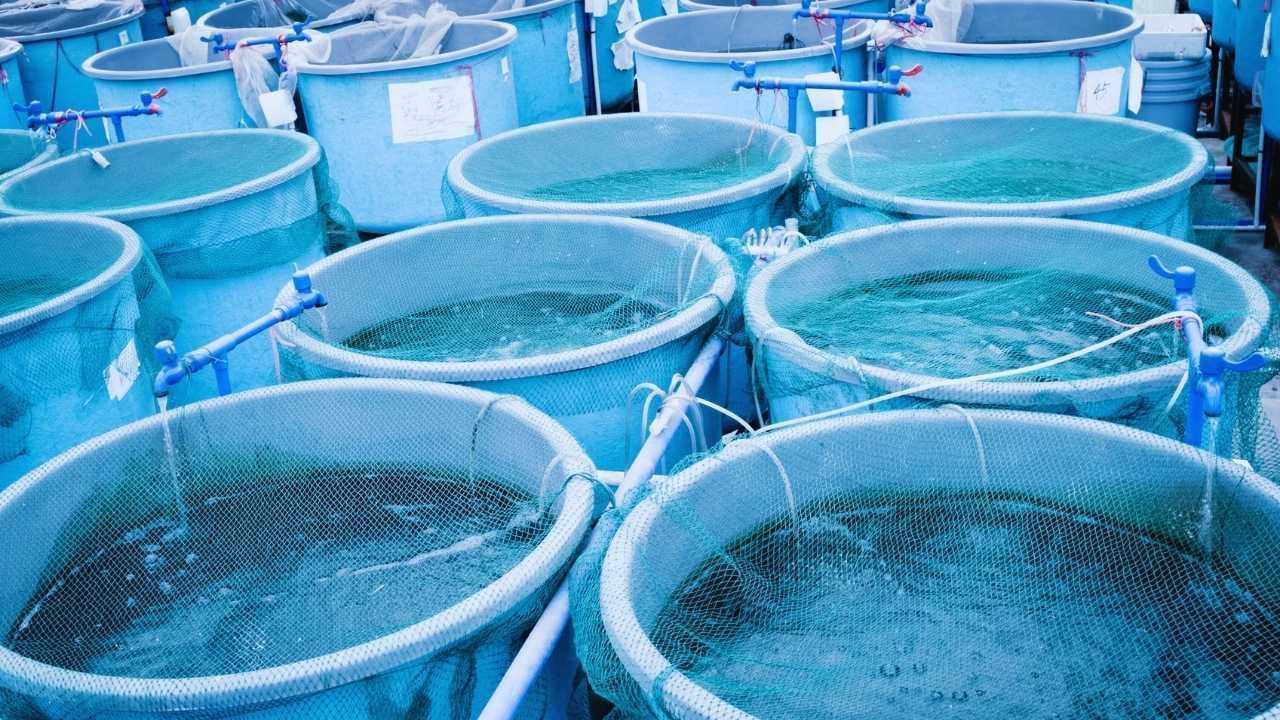
Recirculating Aquaculture Systems (RAS): Fish farms that recycle water and minimize pollution.
Alternative Feeds: Replacing fishmeal with insect protein, algae, or plant-based substitutes.
Blockchain Traceability: Ensuring transparency in seafood supply chains to build consumer trust.
These innovations demonstrate that sustainable seafood is possible when technology and policy work hand in hand.
Sustainability is not only about producers and regulators—it also depends on consumers. Choosing sustainably sourced seafood, reducing food waste, and supporting eco-certification labels can shift market demand. In Asia, growing middle classes are increasingly aware of environmental issues, providing momentum for sustainable choices.
The challenge lies in reconciling humanity’s growing appetite for seafood with the health of the oceans. Overfishing alone cannot meet rising protein needs, and aquaculture alone cannot be the solution if it comes at the cost of ecosystems. A hybrid approach—sustainable fishing, responsible aquaculture, and consumer awareness—is the way forward.
This balance is not just about protecting marine life but ensuring food security, livelihoods, and climate resilience for generations to come.
Overfishing and aquaculture represent two sides of the same coin in the global seafood story. One depletes wild resources, while the other, if mismanaged, risks creating new environmental crises. The solution lies in smarter policies, technological innovation, and a cultural shift toward valuing sustainability over short-term gains.
By adopting responsible practices today, governments, industries, and consumers can ensure that the oceans remain a source of nourishment, livelihood, and beauty—not just for us, but for future generations.
This article is intended for informational purposes and reflects research and observations on the challenges of overfishing and aquaculture. It does not represent the editorial stance of Newsible Asia.








Australia 50/3 After Bangladesh Bowled Out for 64 in Second Test
Australia reached 50/3 after Bangladesh were bowled out for 64 in the second Test, with Mitchell Sta

Jordan Burroughs Returns to Wrestling with 2028 Olympic Dream
Jordan Burroughs returns to wrestling with Real American Freestyle as the Olympic champion eyes a po

Lamborghini Catches Fire on Singapore's ECP, Causing Heavy Traffic
A Lamborghini caught fire on Singapore's ECP, causing heavy traffic and bus delays. No injuries were

Bangkok Airport Duty-Free Area Flooded by Pipe Burst
A burst water pipe flooded the duty-free shopping area at Bangkok's Suvarnabhumi Airport on July 16,
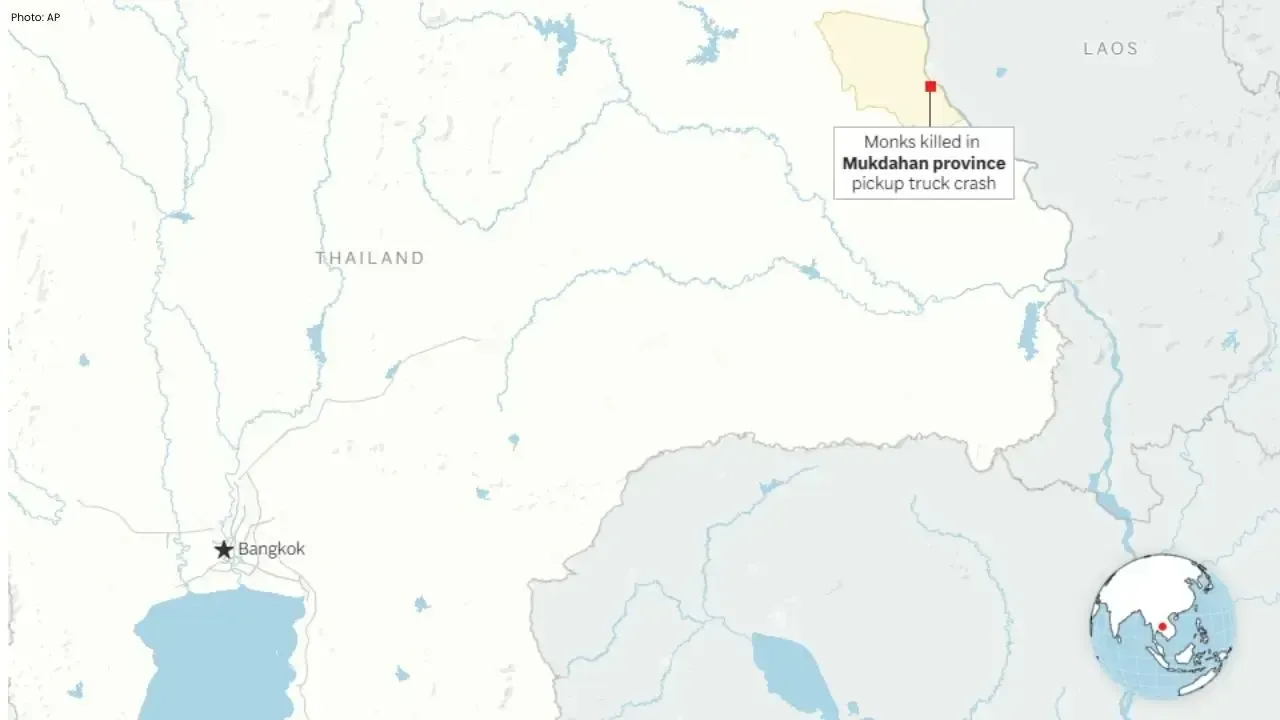
Nine Monks Killed in Thailand Pickup Truck Tragedy
An 11-year-old boy driving a pickup truck crashed into monks during a pilgrimage in northeastern Tha

Anwar Congratulates Xi on CPC's 105th Anniversary
Malaysia reaffirms strong ties with China as PM Anwar Ibrahim sends a congratulatory letter to Presi