You have not yet added any article to your bookmarks!
Join 10k+ people to get notified about new posts, news and tips.
Do not worry we don't spam!
Post by : Meena Ariff
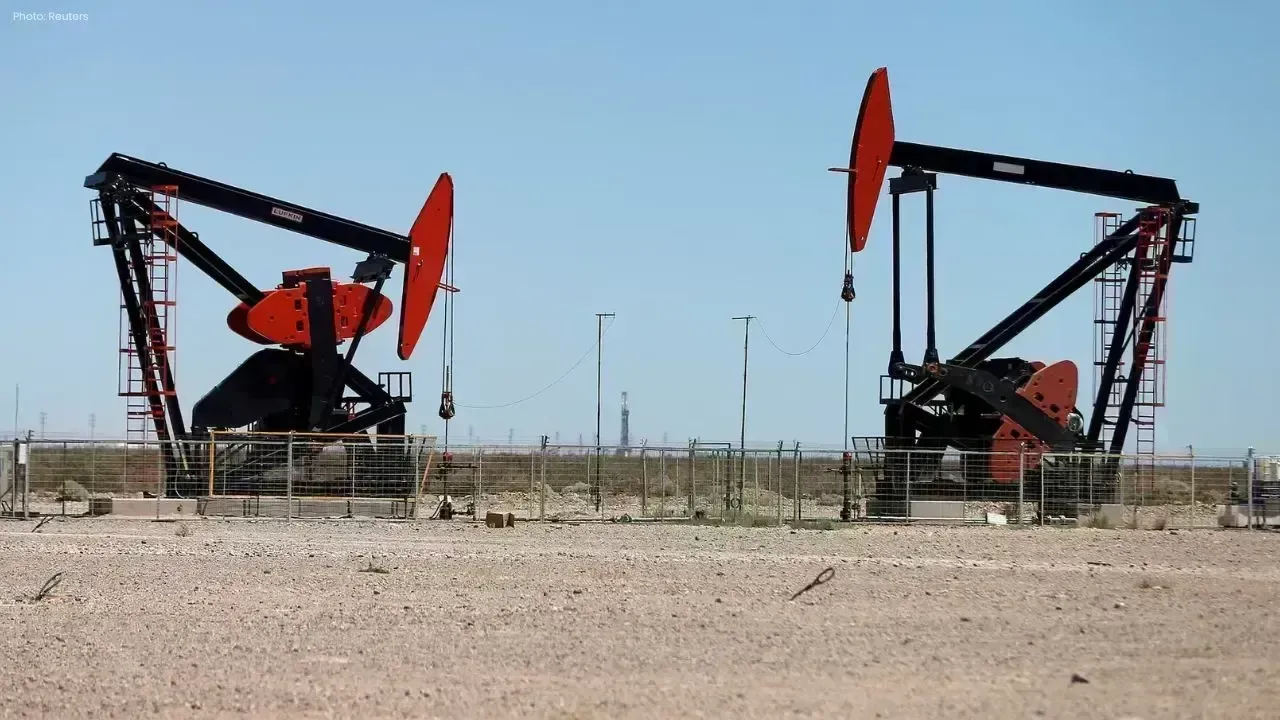
Global oil prices rose sharply on the evening of January 23, 2026, as rising tensions in the Middle East raised fears about oil supply disruptions. The increase came after the United States announced new sanctions on Iran’s oil trade and sent major naval forces to the region.
Brent crude oil, the global benchmark, climbed by nearly 3 percent, gaining $1.82 to settle at $65.88 per barrel. At the same time, US benchmark West Texas Intermediate (WTI) rose by $1.71, or almost 2.9 percent, to close at $61.07 per barrel. This sudden jump showed how sensitive oil markets are to political and military developments.
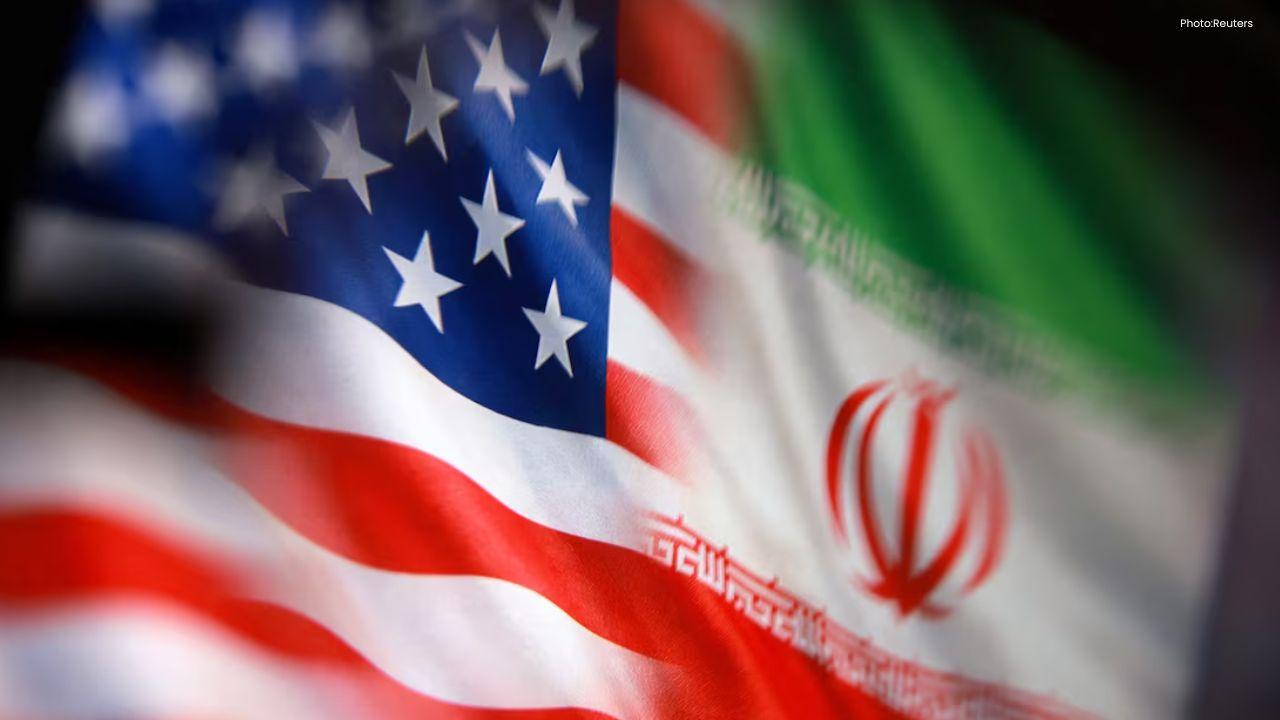
The main reason behind the price rise was the US government’s decision to tighten pressure on Iran. New sanctions were announced against several ships and companies involved in moving Iranian oil and petroleum products. These actions aim to reduce Iran’s ability to sell oil on the global market.
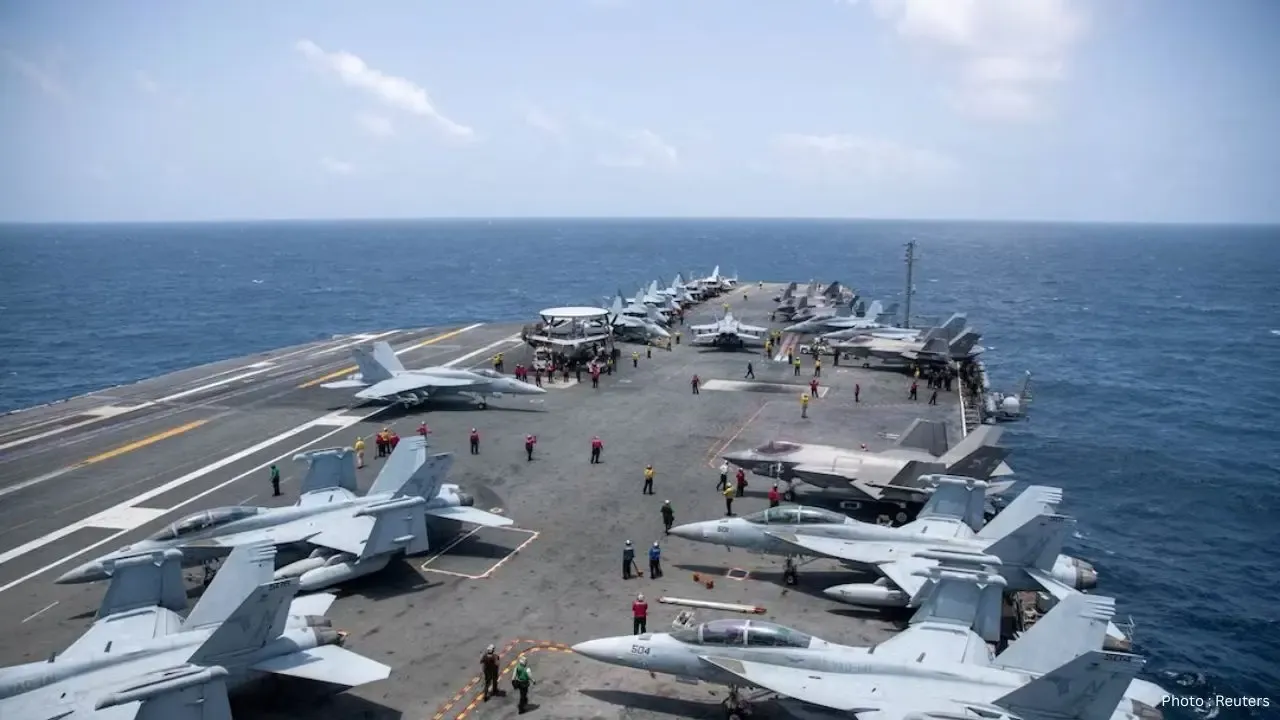
Along with the sanctions, the US also confirmed that it is sending a strong naval force to the Middle East. This includes an aircraft carrier and missile-equipped destroyers. The move increased worries that any conflict or disruption in the region could affect oil supplies, as the Middle East produces a large share of the world’s oil.
Oil traders and investors reacted quickly. Many feared that shipping routes could be disturbed or that oil exports from the region might slow down. Even the possibility of supply problems is often enough to push prices higher.
Adding to the supply concerns is the ongoing situation in Kazakhstan, one of the world’s major oil producers. The country’s oil production has dropped sharply after a fire damaged the Tengiz oil field, one of its largest energy sites. Because of this incident, Kazakhstan’s oil output in January is expected to fall to around 1 to 1.1 million barrels per day. Normally, the country produces close to 1.8 million barrels per day.
The problem has become worse due to recent drone attacks that affected Kazakhstan’s Black Sea oil export terminal. These attacks disrupted oil shipments and made it harder for the country to send oil to international markets. Together, these issues have tightened global oil supply even more.
Despite higher prices, global demand for oil remains strong. Many countries continue to consume large amounts of fuel for transport, industry, and energy production. This means that any supply disruption has a stronger impact on prices.
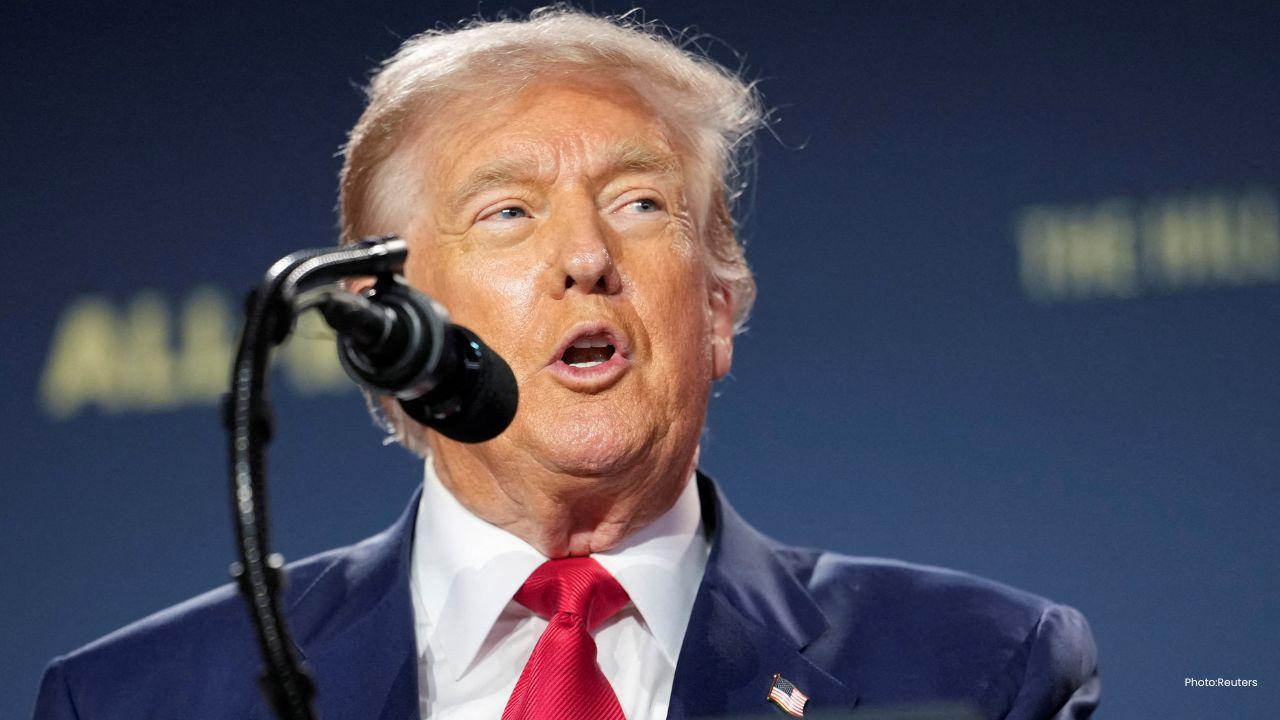
Earlier in the week, oil prices had fallen after the US president made and then withdrew threats related to trade tariffs on Europe. He also ruled out military action against European nations, which briefly reduced market fears. However, the situation quickly changed with the new Middle East developments.
The US has also expanded its military reach in the Arctic region. A new agreement between the US, Denmark, and NATO now allows American forces full access to military bases in Greenland. This move is seen as part of a broader strategy to strengthen US presence in key global regions.
As geopolitical tensions rise in multiple parts of the world, oil markets are expected to remain volatile. Traders are closely watching developments in the Middle East and Central Asia, knowing that any further escalation could push prices even higher in the coming days.






George Russell Wins Dutch GP Sprint, Boosts Mercedes Morale
George Russell wins the Dutch GP Sprint from pole as Mercedes teammate Kimi Antonelli extends his F1

Australia 50/3 After Bangladesh Bowled Out for 64 in Second Test
Australia reached 50/3 after Bangladesh were bowled out for 64 in the second Test, with Mitchell Sta

Jordan Burroughs Returns to Wrestling with 2028 Olympic Dream
Jordan Burroughs returns to wrestling with Real American Freestyle as the Olympic champion eyes a po

Lamborghini Catches Fire on Singapore's ECP, Causing Heavy Traffic
A Lamborghini caught fire on Singapore's ECP, causing heavy traffic and bus delays. No injuries were

Bangkok Airport Duty-Free Area Flooded by Pipe Burst
A burst water pipe flooded the duty-free shopping area at Bangkok's Suvarnabhumi Airport on July 16,

Nine Monks Killed in Thailand Pickup Truck Tragedy
An 11-year-old boy driving a pickup truck crashed into monks during a pilgrimage in northeastern Tha