
You have not yet added any article to your bookmarks!
Join 10k+ people to get notified about new posts, news and tips.
Do not worry we don't spam!
Post by : Anis Farhan
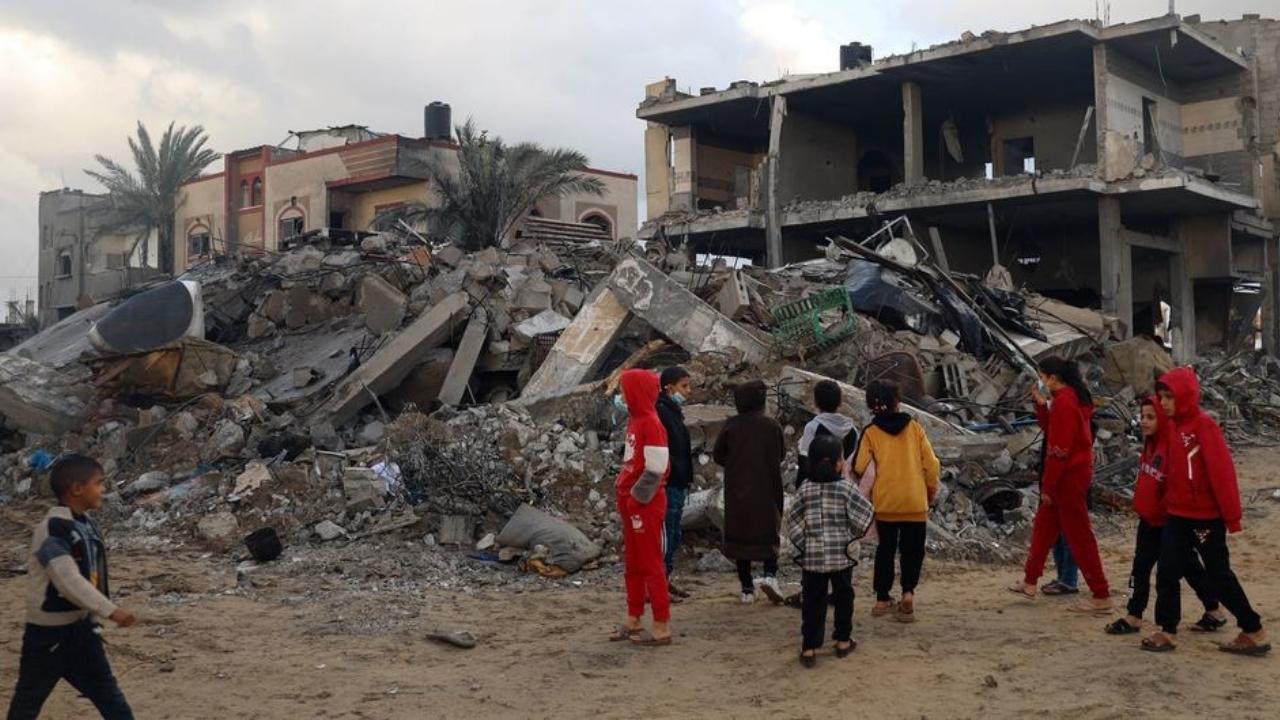
The Middle East, a region long marked by shifting alliances and recurring conflicts, has witnessed a potentially transformative development this October. Cease-fire negotiations, aimed at halting ongoing hostilities, have drawn global attention not only for their immediate humanitarian impact but also for the subtle reconfiguration of political relationships among regional powers.
Unlike past agreements that often collapsed shortly after being signed, this round of talks carries the weight of international scrutiny, the involvement of multiple stakeholders, and the backing of influential global mediators. Governments, non-state actors, and international organizations are all navigating a complex web of interests, strategic priorities, and public pressures.
The negotiations are occurring against the backdrop of ongoing violence, economic instability, and an increasingly interconnected global community. The outcomes could influence trade, security, and diplomatic alignments for years to come, making this a turning point worth detailed analysis.
Conflict in the Middle East is rarely isolated; it is deeply interwoven with historical rivalries, religious tensions, and geopolitical ambitions. The current cease-fire discussions were triggered by a spike in hostilities earlier this year, which threatened to destabilize the broader region.
Previous cease-fire attempts failed due to lack of trust, asymmetric power dynamics, and external interference. This October, however, several factors suggest a higher likelihood of progress: stronger international mediation, increased economic pressures on conflict actors, and the desire to redirect attention toward post-conflict reconstruction and development.
Analysts note that regional powers are now more willing to negotiate because prolonged conflict has economic, social, and political costs that are becoming unsustainable. Rising energy prices, trade disruptions, and internal public discontent have pushed governments to explore diplomatic solutions.
Several actors are central to these cease-fire discussions:
State Actors: Countries directly involved in the conflicts, including Israel, Palestine, and neighboring nations, are engaging both openly and behind the scenes. Each has strategic interests, territorial considerations, and domestic pressures influencing their negotiating positions.
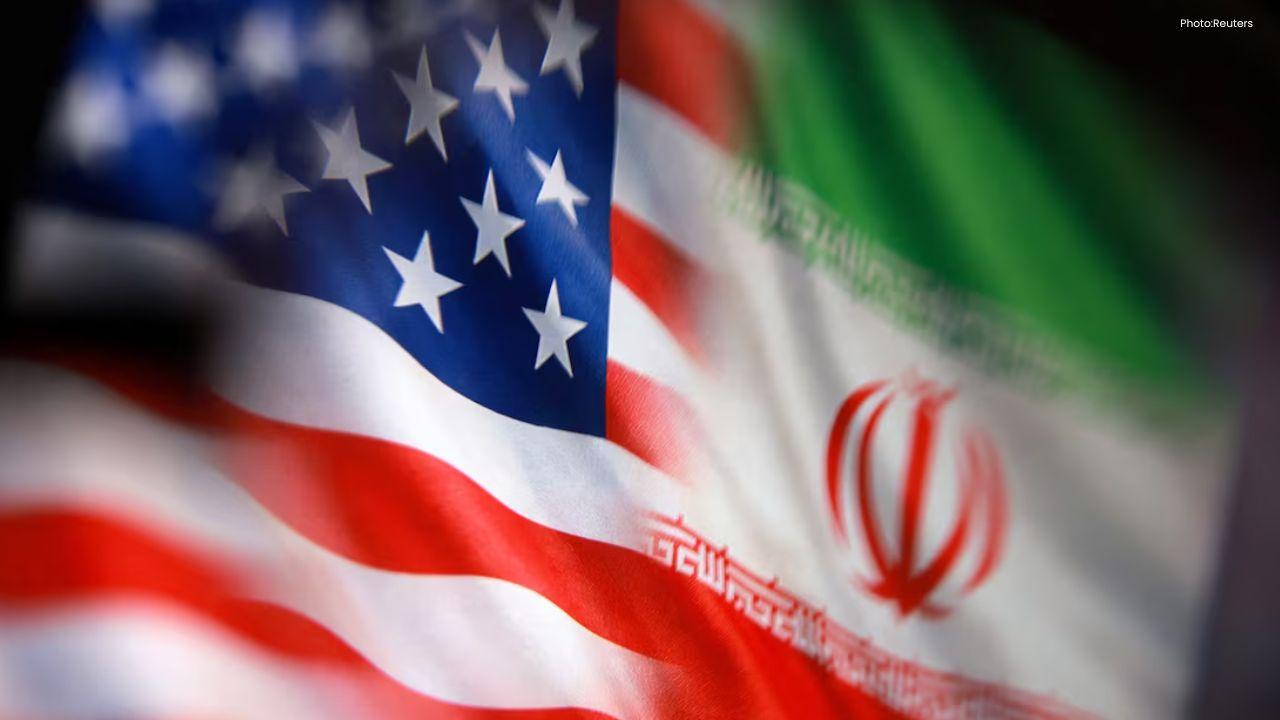
Regional Powers: Nations like Saudi Arabia, Egypt, and Iran are exercising influence, leveraging diplomatic channels to protect their regional interests while also seeking stability. Their involvement indicates a recognition that prolonged instability affects economic and security calculations far beyond the immediate conflict zones.
International Mediators: The United Nations, the United States, the European Union, and select neutral states have facilitated dialogue, providing frameworks, guarantees, and technical assistance for monitoring agreements. Their presence ensures that the talks are not merely symbolic but carry mechanisms for implementation and accountability.
The interplay among these actors demonstrates how complex the negotiations are, as each stakeholder balances local, regional, and global priorities simultaneously.
One of the most significant aspects of these talks is how they are reshaping alliances in the Middle East. Historically, alliances have been fluid, often influenced by immediate threats, economic incentives, and sectarian identities.
The October negotiations reveal new patterns:
Strategic Realignments: Countries are engaging with traditional rivals in pragmatic ways, prioritizing conflict resolution and stability over historical grievances. This approach is reshaping political maps, as nations reassess long-term partnerships.
Emerging Coalitions: The talks have facilitated the formation of coalitions focused on reconstruction, economic cooperation, and security coordination. These alliances, while not yet formalized, could redefine regional dynamics in trade, energy, and defense.
Influence of External Powers: Global powers continue to play an essential role in stabilizing or influencing alliances. Their support, pressure, or mediation has become a decisive factor in determining whether cease-fire agreements hold.
The resulting realignments could alter the balance of power, creating opportunities for economic collaboration and enhanced regional security frameworks.
Cease-fires are not only political and humanitarian measures; they have profound economic implications. Conflict disrupts trade routes, energy exports, and foreign investment. By reducing hostilities, nations can restore economic activity, attract investment, and stabilize markets.
In this round of negotiations, economic incentives have played a pivotal role. Countries involved are motivated by the need to protect energy production, facilitate trade, and rebuild infrastructure. International financial institutions have also offered conditional support tied to maintaining peace, further incentivizing compliance.
Stability brought by a sustained cease-fire could unlock regional economic growth, strengthen local industries, and improve social welfare, creating a feedback loop that reinforces peace.
The humanitarian dimension remains central to these discussions. Cease-fires reduce casualties, enable aid delivery, and allow displaced populations to return home. In regions affected by prolonged conflict, access to food, water, and healthcare has been severely limited, and the October talks are a lifeline for millions.
Humanitarian organizations are closely monitoring implementation, ensuring that promised relief reaches those in need. A sustainable cease-fire could improve living conditions, foster community resilience, and provide a foundation for long-term development initiatives.
The social stability gained through these negotiations is likely to bolster public support for political solutions, creating pressure on leadership to adhere to agreements.
Despite promising developments, several challenges remain:
Trust Deficit: Historical mistrust among conflict actors can undermine compliance and fuel skepticism about the talks’ sincerity.
Fragmented Leadership: Non-state actors and local militias may not fully align with central authorities, complicating enforcement of agreements.
External Interference: Geopolitical rivalries outside the region can impact the negotiations, as countries pursue strategic interests.
Monitoring Limitations: Effective verification mechanisms are required to ensure adherence, and gaps in monitoring may lead to violations.
These obstacles highlight that achieving and maintaining a durable cease-fire requires more than diplomacy; it demands continuous engagement, transparency, and credible enforcement measures.
The October cease-fire talks represent both a challenge and an opportunity. While obstacles remain, the progress achieved so far indicates that regional actors recognize the mutual benefits of peace. If implemented effectively, these agreements could serve as a model for resolving other conflicts in the region.
Key elements for sustaining peace include:
Institutionalizing diplomatic dialogue and conflict-resolution mechanisms.
Coordinating humanitarian aid with reconstruction and development initiatives.
Encouraging economic partnerships to create interdependence and shared incentives for stability.
Maintaining international oversight to ensure compliance and reduce external interference.
The coming months will determine whether these talks mark a genuine turning point or become another short-lived diplomatic effort. The world is watching, and the stakes are high — politically, economically, and humanely.
This article is based on publicly reported developments and expert analysis of the October 2025 Middle East cease-fire talks. It is intended for informational purposes only and does not constitute political endorsement or predictive judgment.







George Russell Wins Dutch GP Sprint, Boosts Mercedes Morale
George Russell wins the Dutch GP Sprint from pole as Mercedes teammate Kimi Antonelli extends his F1

Australia 50/3 After Bangladesh Bowled Out for 64 in Second Test
Australia reached 50/3 after Bangladesh were bowled out for 64 in the second Test, with Mitchell Sta

Jordan Burroughs Returns to Wrestling with 2028 Olympic Dream
Jordan Burroughs returns to wrestling with Real American Freestyle as the Olympic champion eyes a po

Lamborghini Catches Fire on Singapore's ECP, Causing Heavy Traffic
A Lamborghini caught fire on Singapore's ECP, causing heavy traffic and bus delays. No injuries were

Bangkok Airport Duty-Free Area Flooded by Pipe Burst
A burst water pipe flooded the duty-free shopping area at Bangkok's Suvarnabhumi Airport on July 16,

Nine Monks Killed in Thailand Pickup Truck Tragedy
An 11-year-old boy driving a pickup truck crashed into monks during a pilgrimage in northeastern Tha

