
You have not yet added any article to your bookmarks!
Join 10k+ people to get notified about new posts, news and tips.
Do not worry we don't spam!
Post by : Anis Farhan
Batteries are the backbone of the evolving energy landscape. As electrification sweeps across vehicles, homes, and grid systems, traditional lithium-ion batteries are revealing their shortcomings. Challenges such as overheating, limited resource availability, slow charging times, and environmental concerns have spurred innovations in advanced battery technology.
This evolution is not merely about enhancement; it signifies a transformative leap in materials, chemistry, and manufacturing processes.
With an increasing reliance on renewable energy, effective battery storage solutions are imperative. Variability in solar and wind energy, in addition to the demand for electric vehicles, has spotlighted the need for sustainably sourced, reliable energy storage.
Key drivers for next-gen battery development include:
growth in electric vehicle usage
rapid adoption of green energy sources
demand for extensive grid storage solutions
urgency in climate initiatives
shortages of critical minerals
advancements in circularity and recyclability
These innovations present a dual promise of improved performance and environmental stewardship.
Solid-state batteries utilize non-flammable solid electrolytes, significantly minimizing fire hazards, which has piqued global interest. Safety improvements are just the tip of the iceberg.
Solid-state technology offers:
quicker charging times
enhanced energy density
extended battery life
reliable performance in harsh conditions
diminished degradation
Major automakers and clean-tech firms are fast-tracking solid-state solutions from lab concepts to market realities, potentially reshaping the next generation of electric vehicles and stationary energy systems.
Offering a remarkable energy density that surpasses current lithium-ion batteries, lithium-sulfur batteries are paving the way for lighter and longer-lasting energy solutions, particularly in the fields of aviation and shipping.
Key benefits include:
cost-effective sulfur resources
high energy-to-weight ratios
reduced dependence on rare metals
support for heavy-duty electrification
As challenges like cycle stability are addressed, these systems could revolutionize energy solutions where weight is a primary concern.
Global supply chain instabilities have led to a focus on sodium-ion batteries, given sodium's affordability and universal availability.
Advantages include:
lower production costs
minimal risk in supply chains
better performance in cold conditions
suitability for stationary storage
While they may not yet match lithium in energy density, sodium-ion batteries represent a sustainable alternative, especially for grid systems where size constraints are less critical.
To cope with the demands of renewable energy grids, batteries like iron-air must provide long-term electricity storage capabilities.
They come with:
prolonged discharge cycles
affordable raw materials
compatibility with renewable grids
potential to decrease fossil-fuel reliance
These batteries could form the backbone of climate-resilient setups, especially in areas dominated by wind and solar farms.
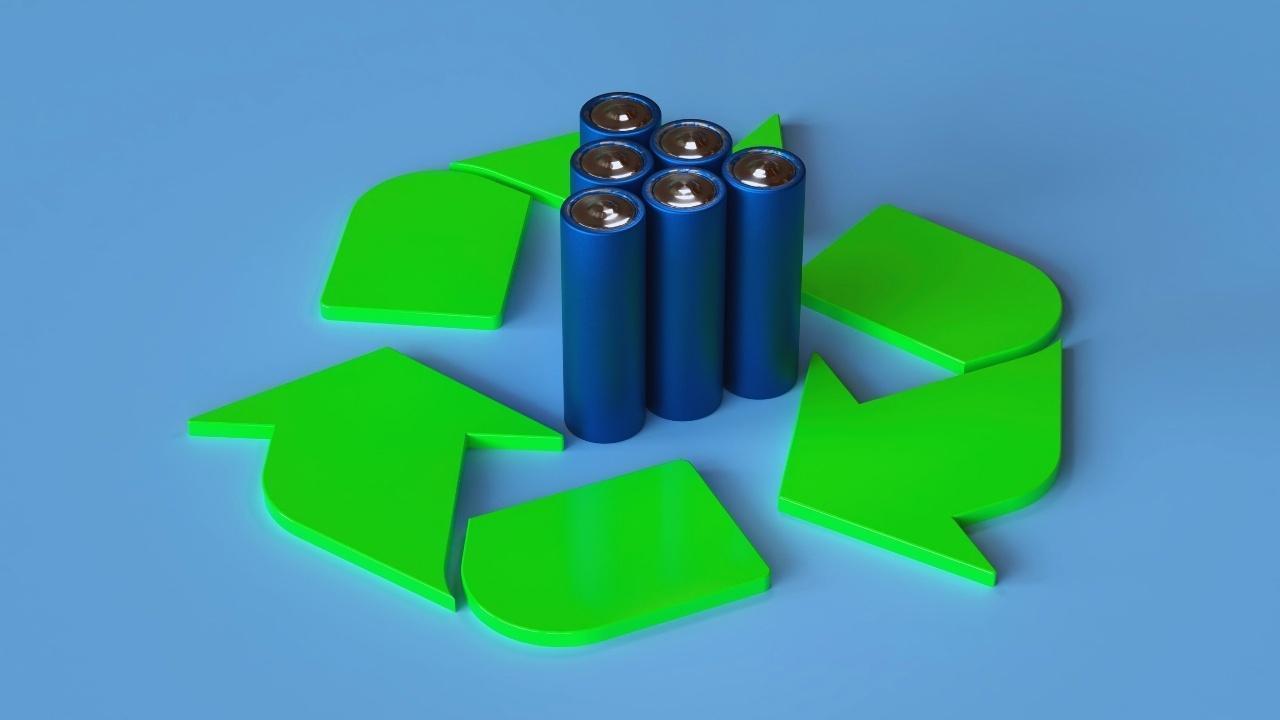
Recycling initiatives are vital in the development of next-gen batteries. The environmental implications of traditional lithium waste call for innovative designs that emphasize recyclability, enabling materials to be reused with minimal degradation.
Key elements of future recycling methods include:
eco-friendly recycling centers
chemical processes for purer recovery
traceability through digital passports
modular designs for easier dismantling
minimized impact from material extraction
Closed-loop battery systems ensure that valuable materials like lithium and cobalt are recycled effectively, thus reducing the need for new mining operations and enhancing sustainability.
Advancements in nanotechnology and battery design are targeted at expediting charging processes, addressing one of the key demands from consumers.
Next-gen charging efficiencies will enable:
swift EV refueling times
reduced strain on battery longevity
greater support for energy grids
improved cold-weather performance
These technological advancements strive to make charging electric vehicles as straightforward as traditional refueling.
Growing safety concerns, especially relating to battery overheating, highlight the necessity for stable and secure materials, pushing the demand for next-gen battery chemistries to the forefront.
Safety innovations are evident through:
non-flammable materials
innovative thermal management
advanced separation technologies
smarter management systems
Enhancing battery safety is fundamental to increasing public confidence in electric transportation and energy storage solutions.
The integration of software into battery management is vital for ensuring optimal performance. Modern systems are tracking:
temperature
charge/discharge cycles
voltage balance
cell health
Artificial intelligence is being harnessed within battery management to extend lifespan and mitigate degradation by offering predictive insights, crafting smarter, more efficient energy solutions.
From the outset, next-gen battery production is dedicated to sustainable practices. Minimizing emissions and resource waste is guiding manufacturers to adopt:
low-carbon production methods
efficient water usage
ethical mineral sourcing
incorporation of recycled materials
circular economic approaches
Commitment to eco-friendly production ensures that clean energy solutions do not create further environmental challenges.
Battery innovations are propelling the development of decentralized energy frameworks. Households, businesses, and microgrids can now store renewable energy on-site, reducing dependence on centralized fossil fuel systems.
Next-gen battery applications facilitate:
home-based solar storage
electrification in rural settings
community-based microgrids
robust disaster response systems
Decentralized energy aids in climate adaptation, ensuring continuity of power during adverse weather conditions.
As battery performance improves, industries once deemed impossible to electrify are finding new possibilities. Next-gen solutions enable:
short-haul electric flights
hybrid sea vessels
electric ferries
drone delivery systems
High-energy, lightweight chemistries are shaping the future of transportation across both air and sea.
As countries enhance renewable energy installations, dependable battery storage is becoming critical for stability within these frameworks. Next-gen grid storage can help:
minimize blackout occurrences
regulate peak energy demands
retain excess renewable energy
balance variable outputs from renewables
Such systems are integral as nations transition from fossil fuels and embark on aggressive climate initiatives.
Countries are vying for supremacy in battery manufacturing, establishing gigafactories globally and creating incentives to fortify local industrial capabilities.
Key focus areas include:
achieving energy self-sufficiency
minimizing reliance on imports
leading electric vehicle markets
promoting job growth
maintaining technological independence
This competitive landscape fosters innovation and reduces consumer costs.
Despite impressive advancements, the journey for next-gen batteries still faces challenges:
scaling up production capabilities
ensuring access to sustainable materials
maintaining stable supply chains
reducing manufacturing expenses
compliance with safety standards
developing effective recycling infrastructures
How these hurdles are addressed will determine the speed at which next-gen batteries gain broad acceptance.
Modern consumers increasingly favor batteries that are:
long-lasting
quick to charge
retain capacity over years
produced responsibly
easily recycled
The design of next-gen batteries closely aligns with these expectations, signaling a paradigm shift in technology’s role in everyday living and environmental accountability.
The following decade promises revolutionary changes in energy storage. Batteries are set to become more secure, environmentally friendly, powerful, and integral to daily infrastructures.
Anticipated breakthroughs may involve:
the broad acceptance of solid-state technologies
carbon-neutral manufacturing facilities
almost instantaneous vehicle charging
extensive use of recyclable materials
metal-free battery solutions
standardization of battery passports
sidestepping traditional storage constraints
AI-driven battery lifecycle optimization
These advancements herald a future where green energy storage is stable, electric mobility is mainstream, and ecological mindfulness is interwoven into energy solutions.
Next-gen batteries are propelling the transition to global clean energy. With safer materials, expedited charging, exceptional durability, and a focus on recyclability, they're revolutionizing how energy is generated, stored, and utilized. Continued investment, research, and manufacturing advances will foster a more sustainable and electrified future.
This article analyzes trends in global energy and technology strictly for informational purposes. Actual performance and availability of next-gen batteries may vary by region and regulations.










PM Modi Pays Tribute to Mahatma Gandhi, Urges People to Support Khadi
PM Modi pays tribute to Mahatma Gandhi on Gandhi Jayanti and urges citizens to support Khadi and the

Amazon Seeks to Offload $8 Billion in Nvidia Chips to Investors
Amazon plans to move $8 billion in Nvidia chips to investors, using a new financing model to strengt

Samsung Raises Galaxy S26 Prices as Memory Chip Costs Rise
Samsung raises Galaxy S26 prices in South Korea as rising memory chip costs put pressure on smartpho

Lewis Hamilton Calls Singapore Grand Prix One of F1's Toughest Races
Lewis Hamilton discusses the demanding Singapore Grand Prix and brings Plus44 and Almave to Singapor

Denmark's Pandora Opens World's Largest Jewellery Factory in Vietnam
Pandora opens its largest jewellery factory in Vietnam, expanding global production, strengthening s

Gautam Gambhir Questions Batting-Friendly Pitches After India's Record ODI Chase
Gautam Gambhir questions batting-friendly ODI pitches after India’s record chase, calling for a bett

