You have not yet added any article to your bookmarks!
Join 10k+ people to get notified about new posts, news and tips.
Do not worry we don't spam!
Post by : Saif Rahman
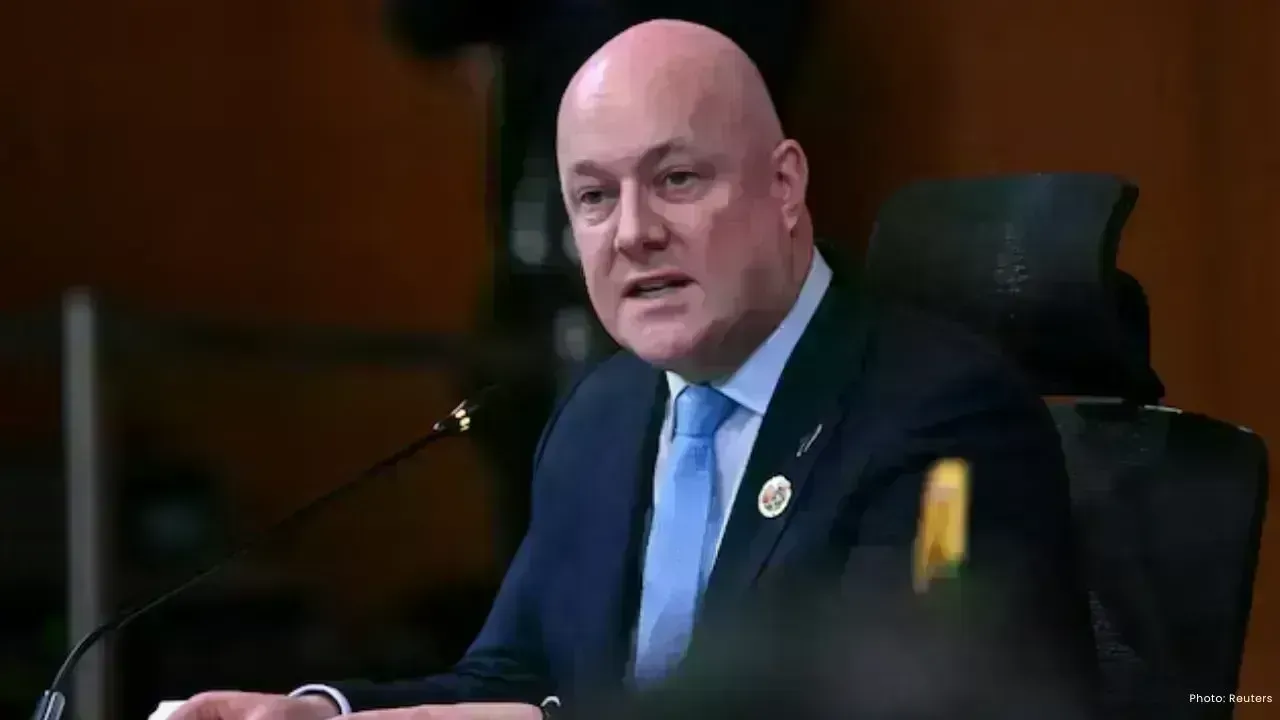
Prime Minister Christopher Luxon of New Zealand has confirmed that the upcoming general election will take place on November 7. This announcement marks the beginning of his campaign for re-election, urging voters to prioritize stability and to trust in his government’s economic recovery plan amid global uncertainties.
Luxon leads a coalition government comprising the National Party, New Zealand First, and the ACT Party, forming the ruling coalition since the 2023 election. In a statement to the press in Wellington, Luxon emphasized the clear choice voters have in determining who is best equipped to navigate the country through economic challenges and global unease.
The Prime Minister highlighted his administration’s dedication to fostering a robust economy through prudent expenditures, tax reductions, and increased opportunities for families. He warned that a leadership change now could jeopardize the nation’s recovery. Luxon expressed his willingness to collaborate with New Zealand First and ACT post-election but desires a solid mandate for the National Party.
Despite his assurances, Luxon’s approval ratings have seen a decline over the past year. With economic stagnation, unemployment rising above 5%, and households struggling with escalating living costs, skepticism from critics about his administration’s policies—such as the closure of an independent health authority for Māori and limited public service funding—has intensified.
Polls indicate a competitive election ahead, with neither the current coalition nor the Labour Party displaying substantial majority backing. The Labour Party led by Chris Hipkins, the former Prime Minister, criticizes Luxon’s administration for service cutbacks and fostering division, pledging a more inclusive and positive approach if returned to power.
New Zealand’s political landscape typically results in coalition governments. Since adopting a mixed-member proportional voting system in 1996, no single party has governed independently, emphasizing the pivotal role of smaller parties in the formation of the future government.
The forthcoming election will also operate under newly established voting regulations that were enacted last year. These changes disallow last-minute voting registrations and restrict voting rights for prisoners. Critics warn that these rules may diminish voter turnout, particularly among demographics inclined to support leftist parties.
Economic matters are expected to take center stage throughout the campaigning process. While inflation has shown signs of reduction, many citizens continue to feel the burden of increased expenses, including local taxes and housing costs. House prices remain significantly below their 2021 highs, and economic growth has been tepid over the past two years. The government anticipates that recent growth figures will help quell voter fears as election day approaches.
Global dynamics may also exert an influence on the election outcome. As an export-driven, small nation, New Zealand is acutely aware of international tensions and fluctuations within significant economies. Analysts suggest that unrest surrounding U.S. politics and global trade may sway New Zealand’s economy and influence voter sentiment.
As the election campaign kicks off, New Zealanders confront a critical decision—whether to endorse Luxon’s vision of consistent leadership and economic recovery or seek a fresh path with the opposition. With several months until the vote and minimal differentiation between major parties, the November 7 election is set to be among the most scrutinized in recent memory.








George Russell Wins Dutch GP Sprint, Boosts Mercedes Morale
George Russell wins the Dutch GP Sprint from pole as Mercedes teammate Kimi Antonelli extends his F1

Australia 50/3 After Bangladesh Bowled Out for 64 in Second Test
Australia reached 50/3 after Bangladesh were bowled out for 64 in the second Test, with Mitchell Sta

Jordan Burroughs Returns to Wrestling with 2028 Olympic Dream
Jordan Burroughs returns to wrestling with Real American Freestyle as the Olympic champion eyes a po

Lamborghini Catches Fire on Singapore's ECP, Causing Heavy Traffic
A Lamborghini caught fire on Singapore's ECP, causing heavy traffic and bus delays. No injuries were

Bangkok Airport Duty-Free Area Flooded by Pipe Burst
A burst water pipe flooded the duty-free shopping area at Bangkok's Suvarnabhumi Airport on July 16,
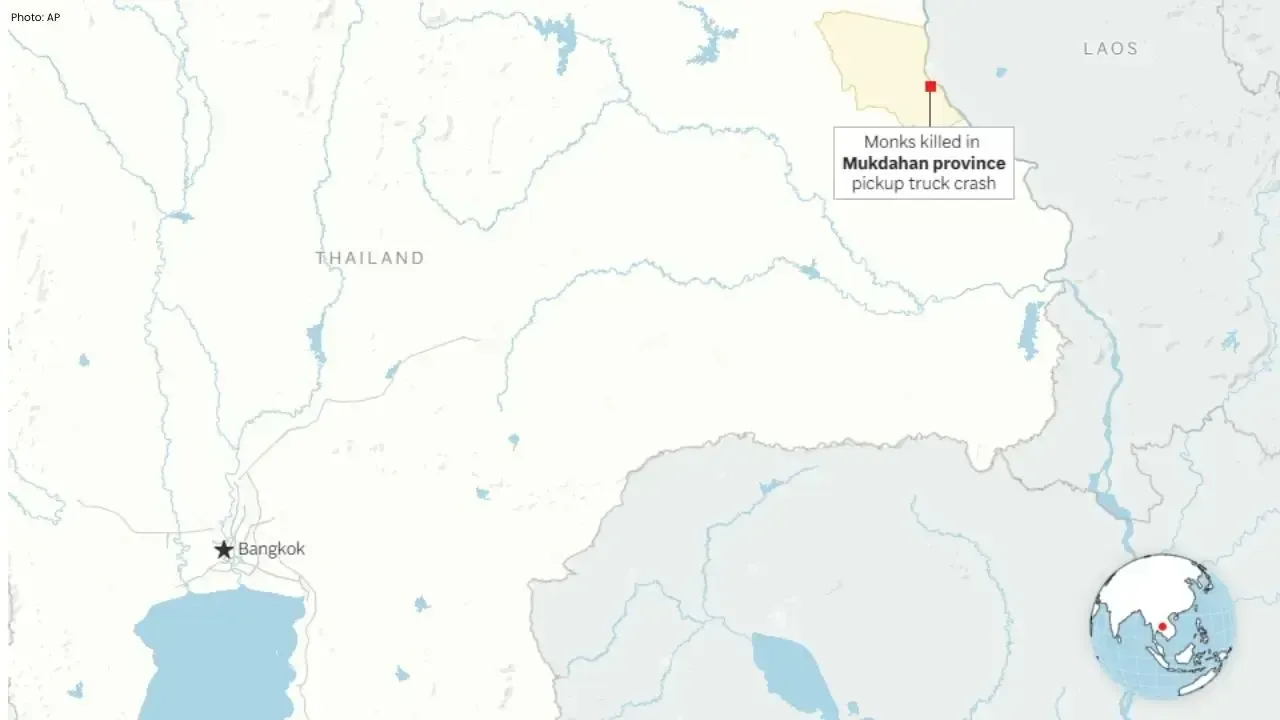
Nine Monks Killed in Thailand Pickup Truck Tragedy
An 11-year-old boy driving a pickup truck crashed into monks during a pilgrimage in northeastern Tha