You have not yet added any article to your bookmarks!
Join 10k+ people to get notified about new posts, news and tips.
Do not worry we don't spam!
Post by : Anis Farhan
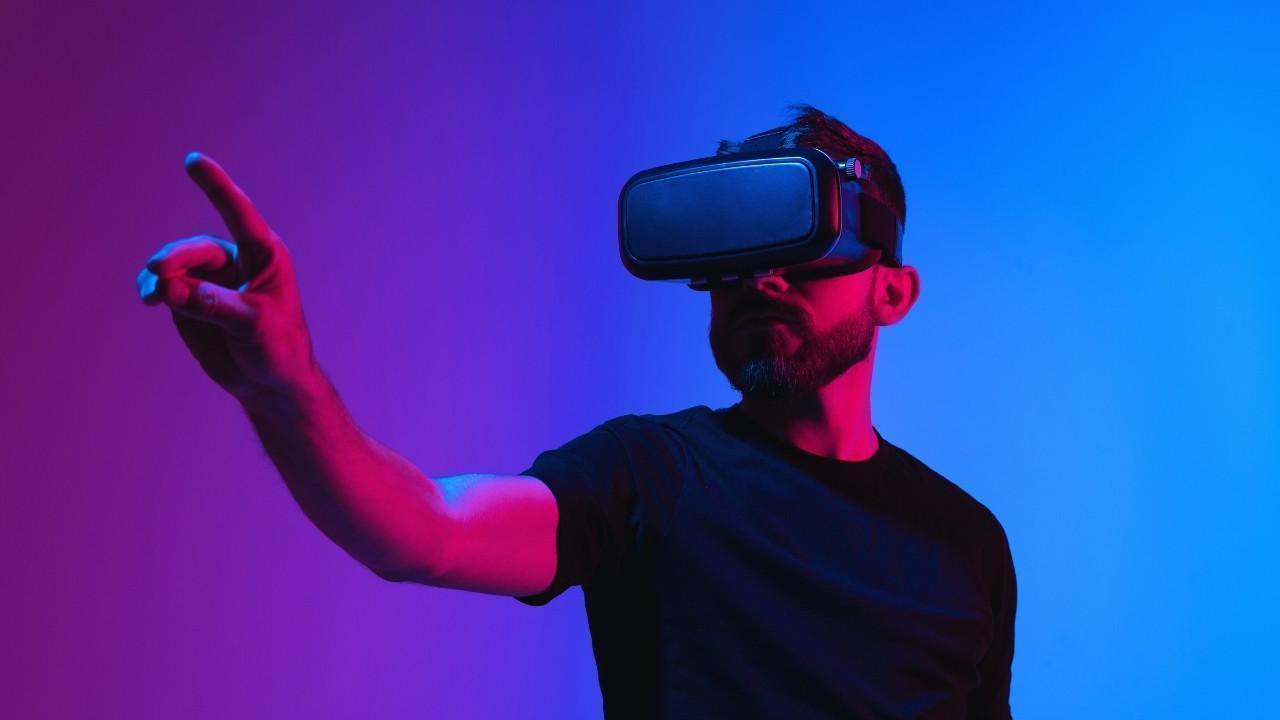
The concept of the metaverse, once relegated to the realms of science fiction, has evolved into a tangible and rapidly expanding digital ecosystem by 2025. This interconnected virtual universe enables users to interact, create, and transact in ways that seamlessly blend the physical and digital realms. As we delve into the current state of the metaverse, we will explore its technological foundations, applications across various sectors, economic implications, ethical considerations, and future outlook.
The metaverse's infrastructure is built upon several key technologies:
These immersive technologies are central to the metaverse experience. VR provides users with fully immersive environments, while AR overlays digital information onto the physical world. Together, they enhance user interaction and engagement within virtual spaces.
Blockchain technology ensures secure transactions and ownership within the metaverse. Cryptocurrencies facilitate economic activities, allowing users to buy, sell, and trade virtual assets seamlessly.
AI powers intelligent avatars, dynamic content generation, and personalized user experiences. Machine learning algorithms enable the metaverse to adapt and respond to user behaviors, creating a more immersive and interactive environment.
High-speed internet is crucial for seamless interaction in expansive virtual worlds. 5G technology provides the necessary bandwidth and low latency, ensuring smooth and responsive user experiences.
The metaverse offers immersive learning experiences, allowing students to explore historical events, conduct virtual experiments, and engage in interactive lessons. Educational institutions are increasingly adopting these platforms to enhance remote learning and provide experiential education.
Telemedicine and virtual health consultations have been revolutionized by the metaverse. Medical professionals can conduct remote surgeries using VR simulations, and patients can receive therapy in virtual environments tailored to their needs.
Virtual concerts, art galleries, and social gatherings are commonplace in the metaverse. Platforms like Horizon Worlds and VRChat facilitate social interaction, enabling users to attend events and meet people from around the globe.
Companies are establishing virtual storefronts and offices within the metaverse. Virtual real estate has become a commodity, with businesses investing in prime digital locations to reach new audiences and clients.
The metaverse has introduced new economic models:
Virtual land is bought, sold, and developed, with some plots fetching significant sums. Investors and developers are capitalizing on the growing demand for virtual spaces.
Unique digital assets, such as art and collectibles, are traded within the metaverse. NFTs provide a mechanism for artists and creators to monetize their work in virtual environments.
Users purchase virtual clothing, accessories, and services, contributing to a burgeoning virtual economy. These transactions mirror real-world commerce, with virtual items holding tangible value.
As the metaverse grows, several ethical and social issues arise:
The collection and use of personal data in virtual environments raise concerns about user privacy. Robust data protection measures are essential to safeguard user information.
Access to the metaverse requires advanced technology, potentially excluding underprivileged populations. Efforts to bridge the digital divide are crucial to ensure equitable participation.
The anonymity of virtual spaces can lead to inappropriate behavior, necessitating robust moderation and community guidelines. Establishing norms and enforcing rules are vital for maintaining a respectful and inclusive environment.
The metaverse is poised for further expansion:
Efforts are underway to create standards that allow users to move seamlessly between different virtual worlds. Interoperability will enhance user experience and foster a more cohesive metaverse.
Augmented reality applications are bridging the gap between the digital and physical worlds. The integration of virtual and physical elements will create more immersive and interactive experiences.
Governments are beginning to explore regulatory frameworks to address the complexities of the metaverse. Clear regulations will provide guidelines for operation and ensure user protection.
The metaverse in 2025 represents a convergence of technology, creativity, and human interaction. While it offers unprecedented opportunities for innovation and connection, it also presents challenges that require thoughtful consideration and proactive management. As we navigate this digital frontier, it is essential to balance progress with responsibility, ensuring that the metaverse evolves into a space that is inclusive, secure, and enriching for all users.
The information provided in this article is for general informational purposes only and does not constitute professional advice. The metaverse is a rapidly evolving field, and developments may have occurred after the publication of this article.







George Russell Wins Dutch GP Sprint, Boosts Mercedes Morale
George Russell wins the Dutch GP Sprint from pole as Mercedes teammate Kimi Antonelli extends his F1

Australia 50/3 After Bangladesh Bowled Out for 64 in Second Test
Australia reached 50/3 after Bangladesh were bowled out for 64 in the second Test, with Mitchell Sta

Jordan Burroughs Returns to Wrestling with 2028 Olympic Dream
Jordan Burroughs returns to wrestling with Real American Freestyle as the Olympic champion eyes a po

Lamborghini Catches Fire on Singapore's ECP, Causing Heavy Traffic
A Lamborghini caught fire on Singapore's ECP, causing heavy traffic and bus delays. No injuries were

Bangkok Airport Duty-Free Area Flooded by Pipe Burst
A burst water pipe flooded the duty-free shopping area at Bangkok's Suvarnabhumi Airport on July 16,

Nine Monks Killed in Thailand Pickup Truck Tragedy
An 11-year-old boy driving a pickup truck crashed into monks during a pilgrimage in northeastern Tha