You have not yet added any article to your bookmarks!
Join 10k+ people to get notified about new posts, news and tips.
Do not worry we don't spam!
Post by : Saif Rahman
Officials in South Korea have indicated that the recently announced US tariffs on select advanced AI chips are not expected to severely impact local companies in the near term. However, Seoul remains vigilant, warning that future measures could prove more damaging.
Trade Minister Yeo Han-koo clarified that the initial round of US tariffs primarily targets high-performance chips from Nvidia and AMD, utilized for artificial intelligence and advanced computing tasks. Since South Korean exports are largely focused on memory chips, which are excluded from the current tariff list, the immediate consequences for the semiconductor sector appear minimal.
Nonetheless, Minister Yeo expressed caution, emphasizing that it is premature to feel completely secure. There remains uncertainty regarding the prospect of the US broadening the tariffs in a subsequent phase to incorporate additional chip types and related products. The South Korean government is actively collaborating with domestic chip manufacturers to prepare for possible changes and safeguard their interests.
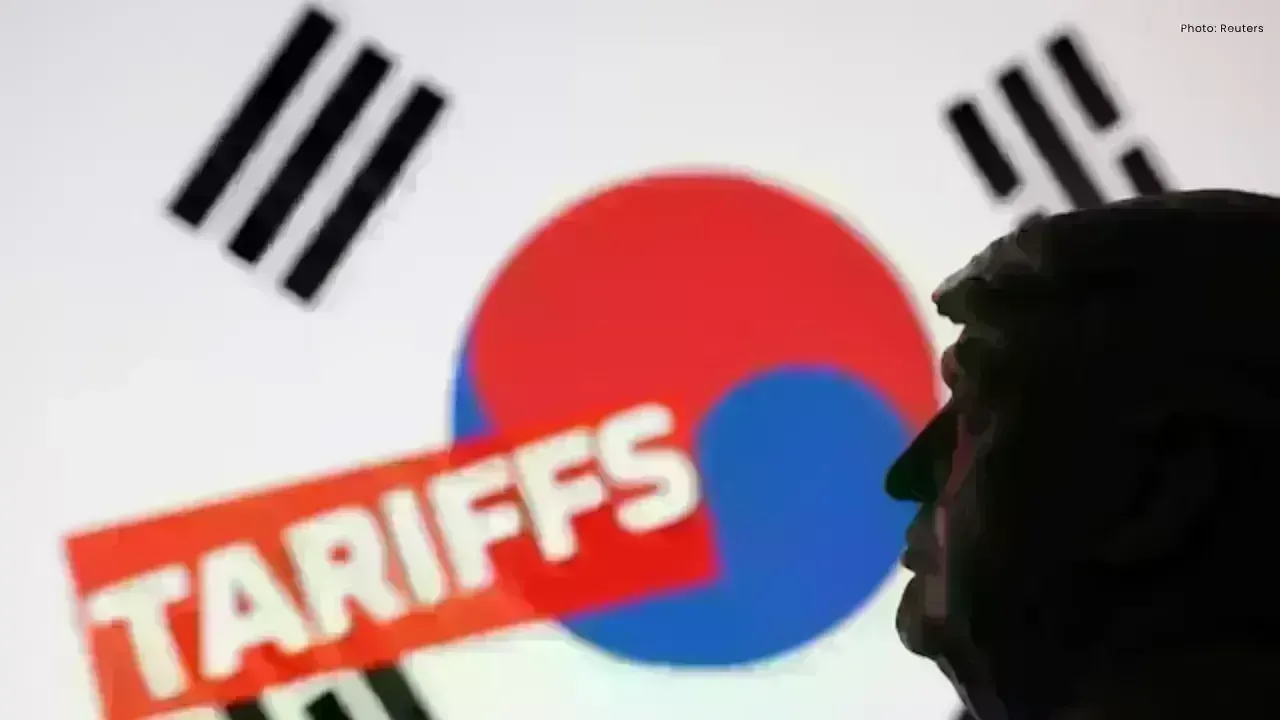
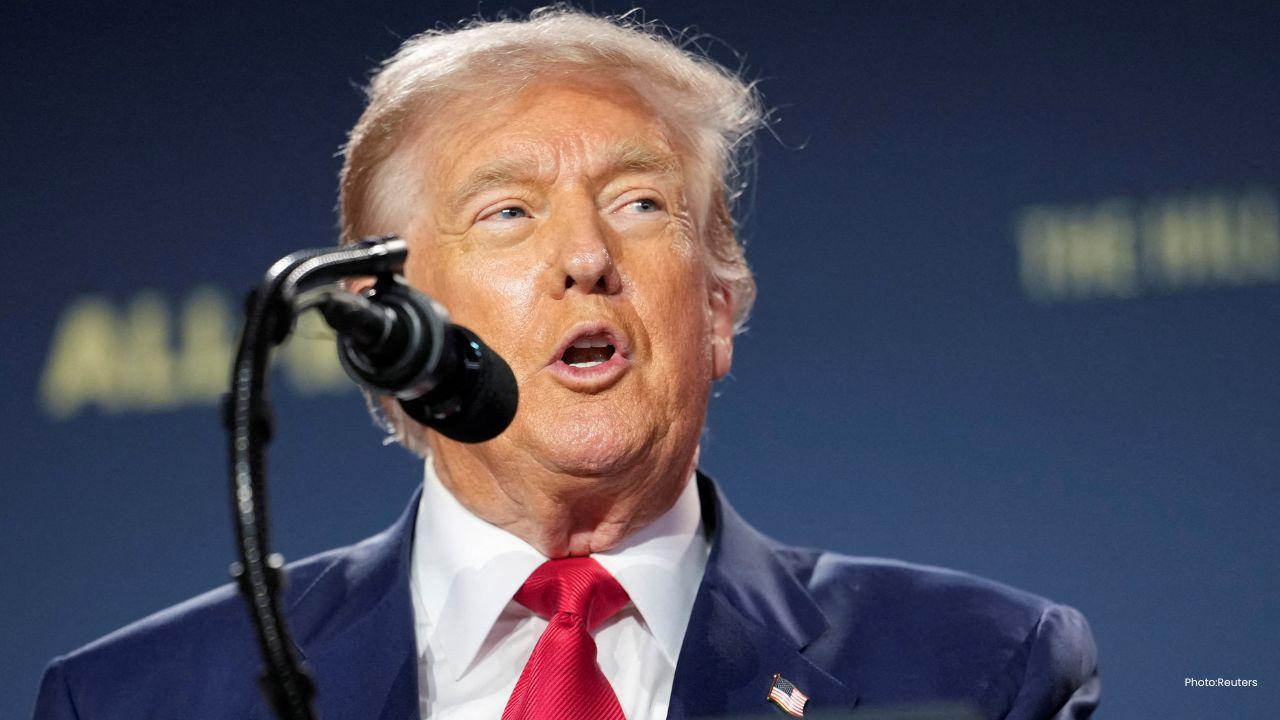
The tariffs, enacted by US President Donald Trump, originated from a nine-month investigation conducted under national security considerations. The White House has clarified that these tariffs are narrowly defined and do not encompass chips used in US data centers, consumer electronics, industrial goods, or public sector applications.
However, more stringent measures might be on the horizon. US Commerce Secretary Howard Lutnick has warned that South Korean and Taiwanese firms refusing to invest in US manufacturing could face tariffs as steep as 100 percent in the future. This suggests that Washington may be leveraging trade regulations to incentivize domestic chip production.
This wave of tariffs forms part of a larger US strategy aimed at bolstering its domestic chip manufacturing and reducing reliance on foreign suppliers from nations like Taiwan. For South Korea, as one of the top global chip exporters, this situation involves managing a delicate equilibrium between immediate security and long-term uncertainties.
Although the short-term impact may be limited, South Korea remains wary, fully aware that any future increases in US tariffs could have severe repercussions for its global semiconductor trade. The government is dedicated to closely monitoring the developments and providing support to its chip industry amidst potential challenges.






George Russell Wins Dutch GP Sprint, Boosts Mercedes Morale
George Russell wins the Dutch GP Sprint from pole as Mercedes teammate Kimi Antonelli extends his F1

Australia 50/3 After Bangladesh Bowled Out for 64 in Second Test
Australia reached 50/3 after Bangladesh were bowled out for 64 in the second Test, with Mitchell Sta

Jordan Burroughs Returns to Wrestling with 2028 Olympic Dream
Jordan Burroughs returns to wrestling with Real American Freestyle as the Olympic champion eyes a po

Lamborghini Catches Fire on Singapore's ECP, Causing Heavy Traffic
A Lamborghini caught fire on Singapore's ECP, causing heavy traffic and bus delays. No injuries were

Bangkok Airport Duty-Free Area Flooded by Pipe Burst
A burst water pipe flooded the duty-free shopping area at Bangkok's Suvarnabhumi Airport on July 16,

Nine Monks Killed in Thailand Pickup Truck Tragedy
An 11-year-old boy driving a pickup truck crashed into monks during a pilgrimage in northeastern Tha