You have not yet added any article to your bookmarks!
Join 10k+ people to get notified about new posts, news and tips.
Do not worry we don't spam!
Post by : Saif Rahman
As a result of last year’s conflict with India, Pakistan’s defence sector is gaining notable global interest. The combat utilization of its fighter jets, drones, and other weaponry has bolstered the credibility of its military exports, leading to serious negotiations with a variety of prospective buyers worldwide.
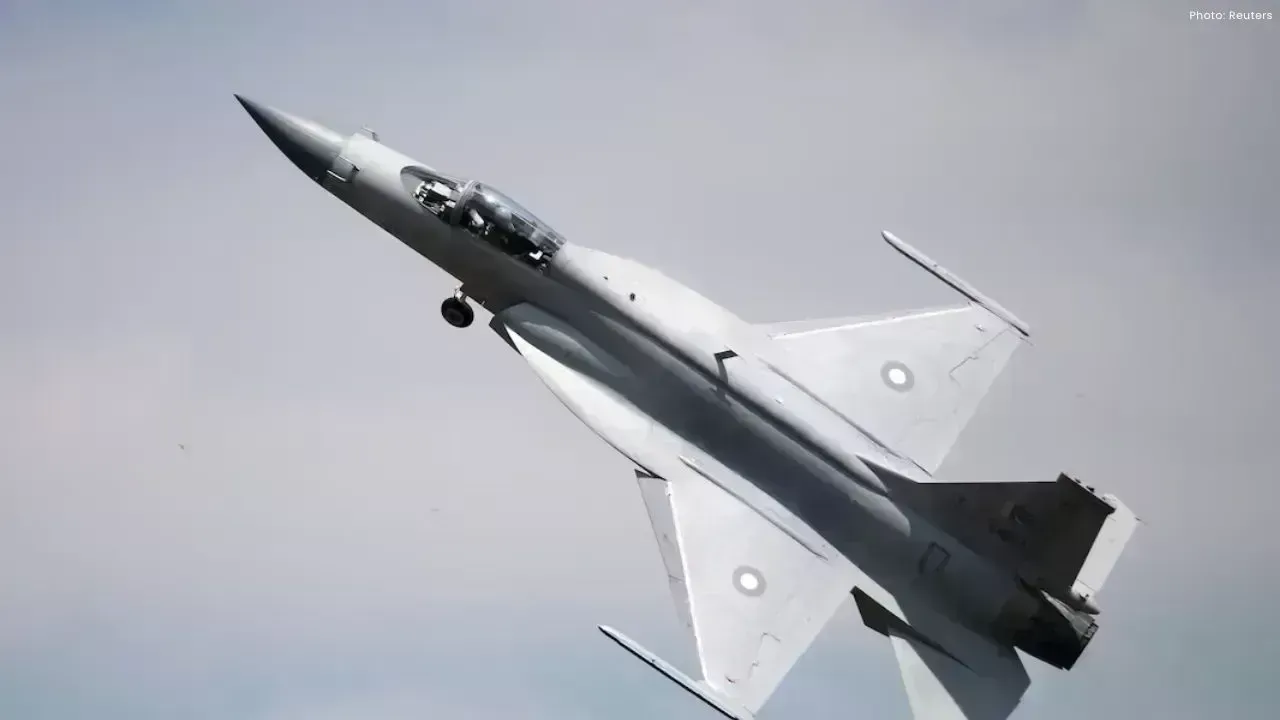
Defence insiders reveal that Pakistan is actively engaging with approximately 13 nations regarding potential arms agreements, with discussions with six to eight of these countries reaching a more advanced stage. The negotiations encompass JF-17 Thunder jets—developed in collaboration with China—along with training aircraft, missiles, and additional defence technologies.
Serving as the foundation of Pakistan’s military export initiatives, the JF-17 jets showcased their capabilities during the conflict, validating their performance in genuine scenarios. Experts emphasize that this “combat-tested” reputation is particularly appealing to countries aiming for reliable systems without the premium costs associated with Western military suppliers.
Additionally, ongoing global supply chain complications have amplified interest in Pakistan's offerings. Continued conflicts in Ukraine and the Middle East have disrupted defence supply channels, compelling many nations to seek alternative sources capable of delivering promptly and affordably. Pakistan's defence manufacturing aligns perfectly with this demand.
Interest is emerging from various nations in the Middle East, Africa, and Asia, including Sudan, Saudi Arabia, Indonesia, Morocco, Ethiopia, Nigeria, Bangladesh, and Iraq. Many of these countries have historical military or diplomatic connections with Pakistan, facilitating smoother collaboration.
One prominent negotiation is with Bangladesh, focusing on the procurement of fighter jets, drones, air defence mechanisms, armoured vehicles, and training planes. Securing this deal would significantly enhance Pakistan’s stature as a defence supplier.
In response to the increasing demand, Pakistan plans to enhance its production capabilities. Defence officials announce that JF-17 output could significantly rise by 2027 as factories undergo modernization. Private enterprises are also stepping up, particularly in drone manufacturing, with hundreds of units already being produced annually for military applications.
Nevertheless, obstacles persist. Some prospective deals may encounter political hurdles, especially within contexts of international arms regulations. China's endorsement is also vital, considering its role as a crucial ally in several defence ventures. Analysts note that while the interest is robust, not all discussions will culminate in formal contracts.
Nonetheless, Pakistan’s expanding defence exports illustrate how genuine combat experience, competitive pricing, and adaptable partnerships are positioning the nation as a significant contender in the global arms landscape.






George Russell Wins Dutch GP Sprint, Boosts Mercedes Morale
George Russell wins the Dutch GP Sprint from pole as Mercedes teammate Kimi Antonelli extends his F1

Australia 50/3 After Bangladesh Bowled Out for 64 in Second Test
Australia reached 50/3 after Bangladesh were bowled out for 64 in the second Test, with Mitchell Sta

Jordan Burroughs Returns to Wrestling with 2028 Olympic Dream
Jordan Burroughs returns to wrestling with Real American Freestyle as the Olympic champion eyes a po

Lamborghini Catches Fire on Singapore's ECP, Causing Heavy Traffic
A Lamborghini caught fire on Singapore's ECP, causing heavy traffic and bus delays. No injuries were

Bangkok Airport Duty-Free Area Flooded by Pipe Burst
A burst water pipe flooded the duty-free shopping area at Bangkok's Suvarnabhumi Airport on July 16,
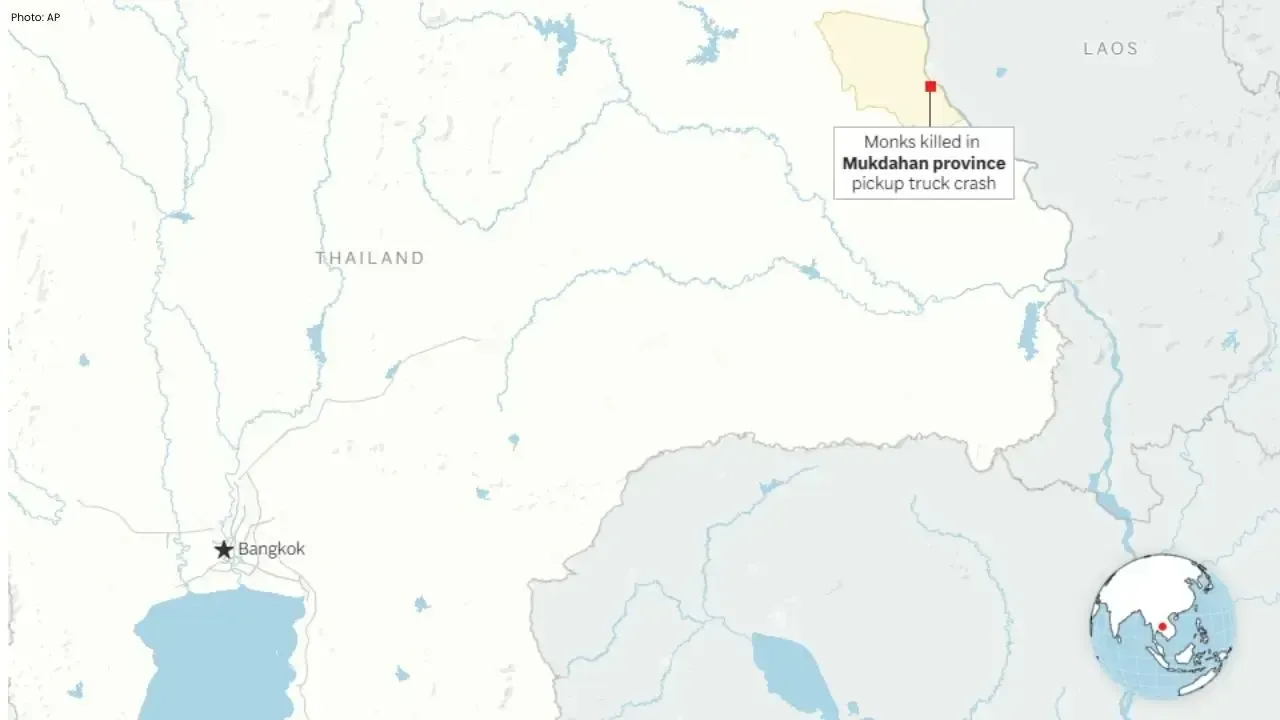
Nine Monks Killed in Thailand Pickup Truck Tragedy
An 11-year-old boy driving a pickup truck crashed into monks during a pilgrimage in northeastern Tha