
You have not yet added any article to your bookmarks!
Join 10k+ people to get notified about new posts, news and tips.
Do not worry we don't spam!
Post by : Anis Farhan
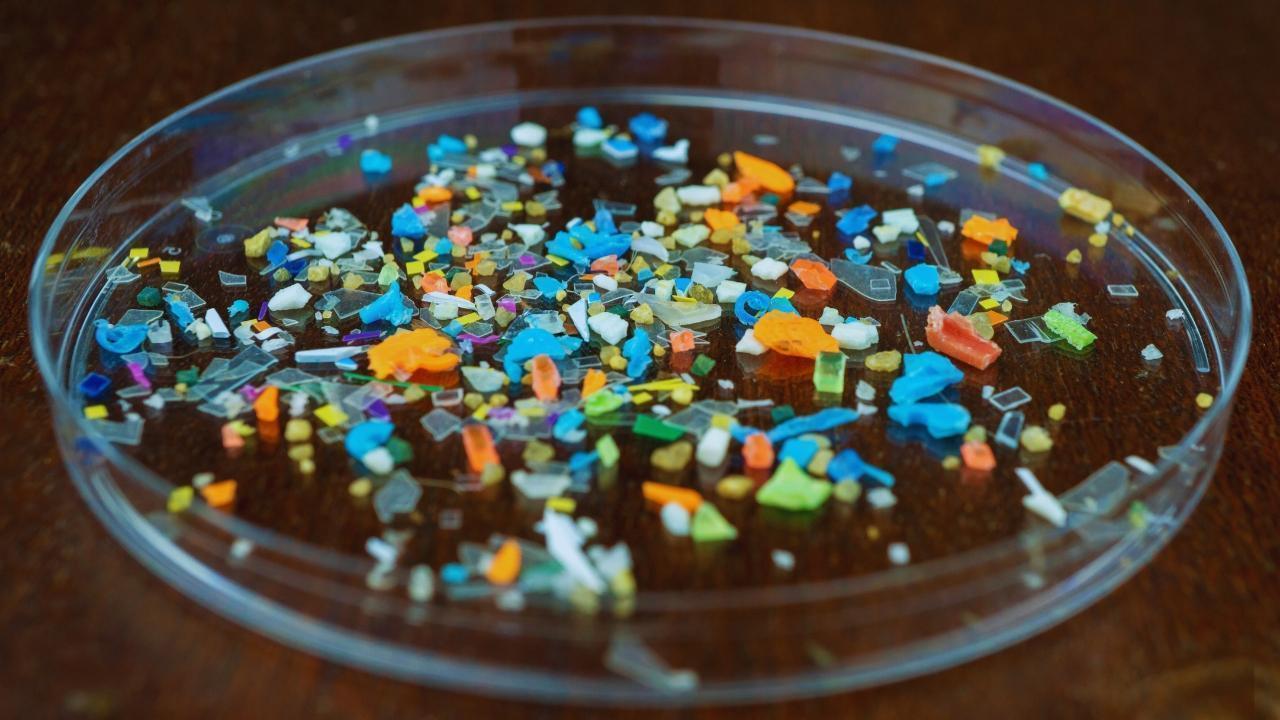
We are now breathing, eating, and circulating plastic—literally. In 2025, multiple landmark studies have confirmed that microplastics and nanoplastics—tiny fragments of degraded plastic waste—have been detected not just in water or seafood, but in human blood, lungs, placenta, and breast milk.
A Dutch-led study published this year in the journal Nature Communications found plastic particles in the blood of 87% of participants, while a separate Italian investigation reported polyethylene terephthalate (PET) and polystyrene in 75% of breast milk samples collected from new mothers.
These findings have moved microplastic pollution from an environmental issue to a full-blown public health concern—one that scientists say is vastly under-researched and severely underestimated.
Microplastics are particles smaller than 5 millimeters, while nanoplastics are less than 1 micrometer, often invisible to the human eye. They originate from:
The breakdown of larger plastic waste (bags, bottles, textiles)
Industrial abrasives in cosmetics and cleaning products
Wear and tear of tires and synthetic clothing
Plastic packaging leaching into food and drinks
Because these particles are now ubiquitous in soil, air, and water, human exposure is inevitable.
Recent studies show we may ingest up to a credit card’s worth of plastic every week, through bottled water, seafood, salt, and even fruits and vegetables grown in plastic-contaminated soil.
2023–2025 research across Europe, the U.S., and Asia has detected microplastics in several areas:
Bloodstream: PET, polypropylene, and polystyrene particles detected in circulating blood, raising concerns about vascular health.
Lungs: Plastic fibers from indoor dust and textiles found in lung tissue samples, especially in urban residents.
Placenta: A 2024 study from Mexico confirmed plastic residues in placental tissue, suggesting prenatal exposure.
Breast Milk: Perhaps most alarming, plastic particles were found in breast milk for the first time in 2023 and confirmed by larger studies in 2025.
While detection methods are improving, researchers believe these figures may be underestimations due to current limits in identifying smaller nanoplastics.
Microplastics can enter the human body via three main pathways:
Inhalation: Airborne particles from plastic textiles, city dust, and industrial emissions.
Ingestion: Through drinking water, food packaging, canned goods, and seafood.
Dermal Absorption: Though less common, certain personal care products with nano-sized plastics may pass through the skin.
Once inside, nanoplastics may pass through cell membranes, enter the bloodstream, and lodge in tissues—including vital organs.
Research into the health effects of microplastics is still in early stages, but growing concern stems from several warning signs:
Lab tests show nanoplastics can disrupt cell membranes, trigger oxidative stress, and cause cell death.
Animal models reveal that microplastics may cross the blood–brain barrier, potentially impairing cognitive function.
Exposure during pregnancy may interfere with fetal development, as plastic particles interact with hormone signaling and immune response.
Plastics carry chemical additives like BPA, phthalates, and flame retardants. These are endocrine disruptors and are linked to cancers, metabolic disorders, and infertility.
Dr. Samira Ghosh, toxicologist at the WHO-affiliated International Health Research Institute, warned in May 2025:
“We are dealing with a chronic, low-dose toxic exposure that may not show immediate effects—but over time, the health toll could be substantial.”
Infants and toddlers are particularly at risk:
They ingest more per body weight than adults.
Teething toys, plastic bottles, and formula containers increase exposure.
Breast milk contamination adds an unavoidable early-life route.
A 2025 study by Kyoto University found that plastic levels in infants’ stools were 10x higher than in adults, likely due to a combination of diet and product use.
Unfortunately, no known method exists yet for fully removing plastic particles once absorbed by human tissue.
Some studies suggest that a high-fiber diet, regular hydration, and antioxidant-rich foods may reduce retention, but conclusive detoxification science is still lacking.
Medical researchers are now exploring ways to:
Track plastic accumulation over time.
Develop targeted therapies for vulnerable organs like kidneys, liver, and brain.
Understand how plastics interact with the microbiome, potentially affecting immunity and digestion.
Several countries have begun to respond to the rising alarm:
EU banned microplastics in cosmetics and detergents from 2024.
India has introduced tighter controls on single-use plastics and food packaging.
UNEP’s 2025 Global Plastics Treaty includes provisions for microplastic mitigation in manufacturing and consumer products.
However, critics argue that policy is far behind the science—and not enough funding is being allocated to studying human exposure.
A growing movement is pushing for:
Mandatory microplastic testing in food and beverages
Plastic-free hospital and maternity environments
Global medical registry of microplastic-related illnesses
While systemic change is essential, individuals can take steps to reduce exposure:
Avoid plastic bottles; use stainless steel or glass.
Choose fresh, unpackaged foods over heavily packaged items.
Ventilate indoor spaces to reduce airborne plastic dust.
Avoid microwaving food in plastic containers.
Use natural fabrics instead of synthetic clothing like polyester and nylon.
The discovery of microplastics in human blood and breast milk underscores a quiet, creeping crisis. Unlike oil spills or smog, this pollution is invisible, unregulated, and omnipresent—making it harder to address and easier to ignore.
Yet its consequences may be long-term, transgenerational, and profound.
For the first time in history, we are forced to confront a future in which the building blocks of life may include the remnants of our own waste. The question is not just how much plastic is in us—but how much longer we can carry it.
This editorial feature by Newsible Asia is based on scientific findings published by Nature Communications, WHO advisory committees, and national toxicology programs as of July 2025. Readers are advised to consult healthcare professionals for individual guidance on environmental exposure risks.










PM Modi Pays Tribute to Mahatma Gandhi, Urges People to Support Khadi
PM Modi pays tribute to Mahatma Gandhi on Gandhi Jayanti and urges citizens to support Khadi and the

Amazon Seeks to Offload $8 Billion in Nvidia Chips to Investors
Amazon plans to move $8 billion in Nvidia chips to investors, using a new financing model to strengt

Samsung Raises Galaxy S26 Prices as Memory Chip Costs Rise
Samsung raises Galaxy S26 prices in South Korea as rising memory chip costs put pressure on smartpho

Lewis Hamilton Calls Singapore Grand Prix One of F1's Toughest Races
Lewis Hamilton discusses the demanding Singapore Grand Prix and brings Plus44 and Almave to Singapor

Denmark's Pandora Opens World's Largest Jewellery Factory in Vietnam
Pandora opens its largest jewellery factory in Vietnam, expanding global production, strengthening s

Gautam Gambhir Questions Batting-Friendly Pitches After India's Record ODI Chase
Gautam Gambhir questions batting-friendly ODI pitches after India’s record chase, calling for a bett

