You have not yet added any article to your bookmarks!
Join 10k+ people to get notified about new posts, news and tips.
Do not worry we don't spam!
Post by : Anis Farhan
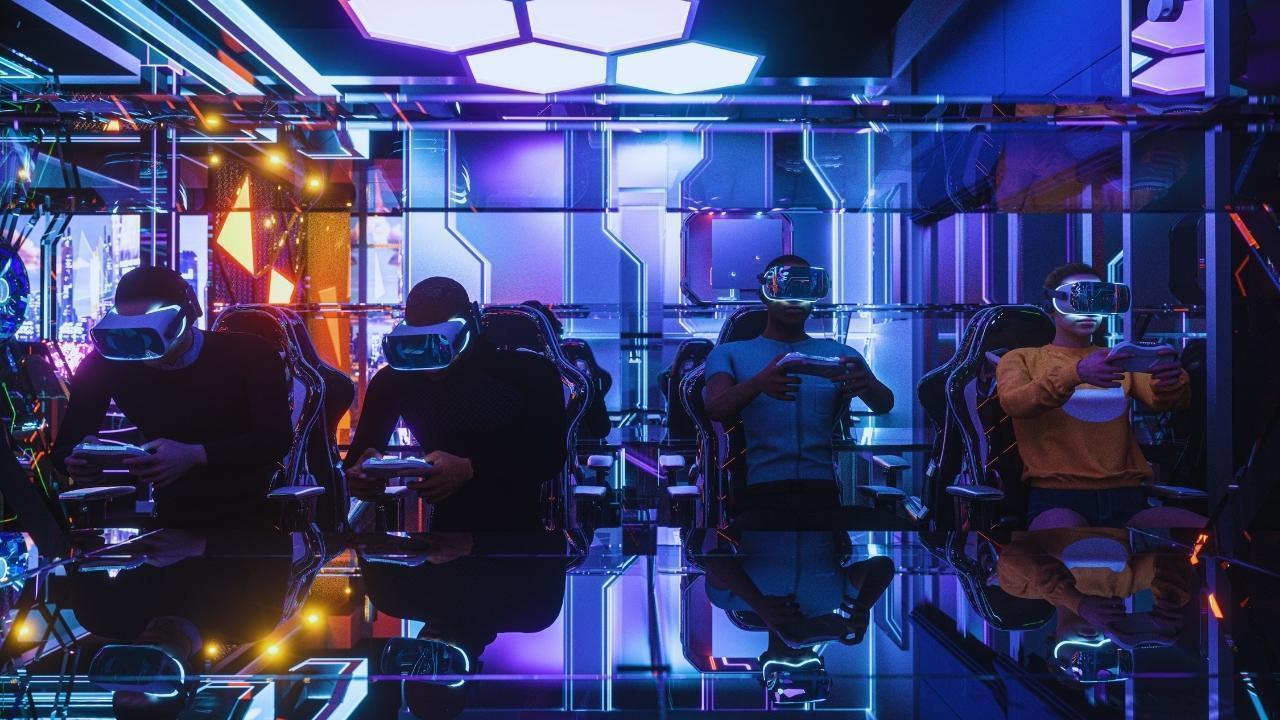
Malaysia’s journey in eSports reflects both cultural shifts and technological advancements. What started in the 1990s as casual gaming in cybercafes has transformed into a booming industry with professional players, major tournaments, and global recognition. Today, eSports is more than entertainment; it represents an industry that drives innovation, creates jobs, and positions Malaysia as a competitive force in the digital economy.
Globally, eSports has gained legitimacy as both a sport and a career path, attracting millions of fans and billions of dollars in revenue. Malaysia’s role within this ecosystem is becoming more significant, thanks to its large gaming population, enthusiastic youth, and growing infrastructure. As the nation steps onto the international stage, the question is no longer whether eSports is a trend, but how Malaysia can sustain and grow its role as a hub for competitive gaming.
In the late 1990s and early 2000s, internet cafes—known locally as cybercafes—were central to Malaysia’s gaming culture. For many young Malaysians, these cafes were social hubs where friends gathered to play games like Counter-Strike, Dota, and StarCraft.
Community Spirit: These gatherings fostered a strong sense of community and competition, laying the foundation for organized eSports.
Affordable Access: Cybercafes provided access to high-speed internet and gaming PCs at a time when most households could not afford them.
Grassroots Competitions: Local tournaments, often organized by cafe owners, gave aspiring players their first taste of competitive gaming.
This grassroots environment cultivated Malaysia’s first generation of competitive gamers and created a vibrant gaming culture that continues to thrive today.
As technology advanced and gaming became more accessible, Malaysian players began to gain recognition internationally. Titles such as Dota 2, League of Legends, and Counter-Strike: Global Offensive brought Malaysian teams into the global spotlight.
Professional Teams: Organizations such as Fnatic’s former Malaysian Dota 2 squad and Orange eSports brought credibility to the scene.
International Achievements: Malaysian players have competed in prestigious tournaments like The International, earning not only prize money but also global recognition.
Streaming Platforms: The rise of platforms like Twitch and YouTube allowed Malaysian gamers to build careers as content creators, diversifying the eSports ecosystem.
Professionalization marked a turning point, transforming gaming from a pastime into a viable career for Malaysians.
Recognizing the potential of eSports, the Malaysian government has taken active steps to support the industry.
eSports as an Official Sport: In 2019, Malaysia recognized eSports as an official sport under the Ministry of Youth and Sports, signaling institutional support.
Investment and Funding: Government programs have allocated funds for eSports development, including tournaments, infrastructure, and training.
National eSports Blueprint: This strategy outlines long-term goals to position Malaysia as a regional hub, focusing on talent development, digital economy integration, and global competitiveness.
Government recognition has legitimized eSports, encouraging private investors, sponsors, and international organizations to collaborate with Malaysian stakeholders.
Malaysia’s infrastructure for eSports has grown remarkably over the past decade.
Dedicated eSports Venues: Stadiums and arenas, such as the eSports integrated hubs in Kuala Lumpur, now host large-scale tournaments.
High-Speed Internet: Nationwide improvements in broadband and 5G connectivity support both casual and professional gaming.
Training Facilities: Professional teams have established dedicated training houses equipped with state-of-the-art technology.
These advancements reflect Malaysia’s ambition to transition from grassroots gaming communities to hosting world-class tournaments that attract international audiences.
Private sector involvement has accelerated the growth of Malaysia’s eSports industry.
Telecommunications Companies: Providers sponsor events and offer gaming-focused internet packages, strengthening infrastructure and accessibility.
Tech Firms: Hardware and software companies sponsor teams, tournaments, and gaming cafes, ensuring players have access to high-performance equipment.
Brands and Marketing: Non-gaming brands are increasingly investing in eSports, recognizing its ability to reach younger demographics.
Corporate sponsorship not only funds the industry but also enhances its visibility, attracting mainstream attention and diversifying revenue streams.
Malaysia has recognized eSports as more than just a sport; it is also an industry offering diverse career opportunities.
Academic Programs: Universities now offer courses in eSports management, game development, and digital media, preparing students for careers beyond playing.
Professional Roles: Careers in shoutcasting, event management, marketing, coaching, and content creation have emerged as viable options.
Skill Development: eSports cultivates transferable skills such as teamwork, leadership, and critical thinking, making it valuable for both digital and non-digital industries.
By integrating eSports into education, Malaysia is building a sustainable workforce for its digital economy.
For Malaysia’s youth, eSports has become a cultural touchstone. It embodies values of competition, collaboration, and creativity.
Inclusivity: eSports transcends physical barriers, welcoming participants regardless of gender, background, or physical ability.
National Pride: Malaysian teams competing globally instill pride among fans, much like traditional sports.
Community Engagement: Gaming conventions and fan events strengthen cultural ties and promote unity among Malaysia’s diverse population.
As eSports becomes ingrained in youth culture, it contributes to Malaysia’s evolving national identity in the digital age.
Malaysia’s ambitions must be viewed within the broader ASEAN context, where countries like Singapore, Thailand, and the Philippines are also investing heavily in eSports.
Singapore: Known for hosting major international tournaments, leveraging its advanced infrastructure.
Thailand: Strong grassroots culture with major investments from private sponsors.
Philippines: A powerhouse in games like Dota 2 and Mobile Legends, with large fan bases and competitive teams.
Malaysia’s challenge lies in differentiating itself, leveraging its unique strengths such as government support, a large player base, and strategic location within ASEAN.
Despite rapid progress, Malaysia faces several challenges in becoming a global eSports hub:
Player Burnout: Intense training schedules and high pressure can lead to mental and physical health issues.
Sustainability of Careers: Only a small percentage of players achieve long-term success, raising concerns about financial security.
Infrastructure Gaps: While major cities are well-equipped, rural areas still face connectivity and accessibility issues.
Perceptions and Stigma: Some parts of society still view gaming as unproductive, creating barriers to broader acceptance.
Addressing these challenges is crucial for Malaysia’s sustainable growth in eSports.
Looking ahead, Malaysia aims to position itself as a global eSports hub by 2030. Key strategies include:
Hosting International Tournaments: Increasing efforts to attract global competitions that showcase Malaysia’s capabilities.
Talent Development: Expanding grassroots programs and professional academies to produce world-class players.
Industry Integration: Connecting eSports with related sectors like tourism, media, and technology to create a broader economic impact.
Sustainability: Ensuring long-term career pathways and mental health support for players and industry professionals.
If executed effectively, these strategies could establish Malaysia as a leader in the global eSports ecosystem.
The future of Malaysian eSports lies in its ability to balance growth with sustainability. Government policies, private investment, and grassroots enthusiasm provide a strong foundation. However, continuous innovation, international partnerships, and cultural acceptance will determine long-term success.
Malaysia’s transformation from cybercafes to global arenas is symbolic of its broader digital journey. As the nation navigates this evolution, it has the potential to inspire not only local gamers but also the global community, proving that with vision and determination, even casual beginnings can lead to world-class achievements.
This article is for informational purposes only. Developments in Malaysia’s eSports industry are subject to change based on policy, investment trends, and global gaming dynamics. Readers should refer to official announcements and industry reports for the most up-to-date information.










George Russell Wins Dutch GP Sprint, Boosts Mercedes Morale
George Russell wins the Dutch GP Sprint from pole as Mercedes teammate Kimi Antonelli extends his F1

Australia 50/3 After Bangladesh Bowled Out for 64 in Second Test
Australia reached 50/3 after Bangladesh were bowled out for 64 in the second Test, with Mitchell Sta

Jordan Burroughs Returns to Wrestling with 2028 Olympic Dream
Jordan Burroughs returns to wrestling with Real American Freestyle as the Olympic champion eyes a po

Lamborghini Catches Fire on Singapore's ECP, Causing Heavy Traffic
A Lamborghini caught fire on Singapore's ECP, causing heavy traffic and bus delays. No injuries were

Bangkok Airport Duty-Free Area Flooded by Pipe Burst
A burst water pipe flooded the duty-free shopping area at Bangkok's Suvarnabhumi Airport on July 16,
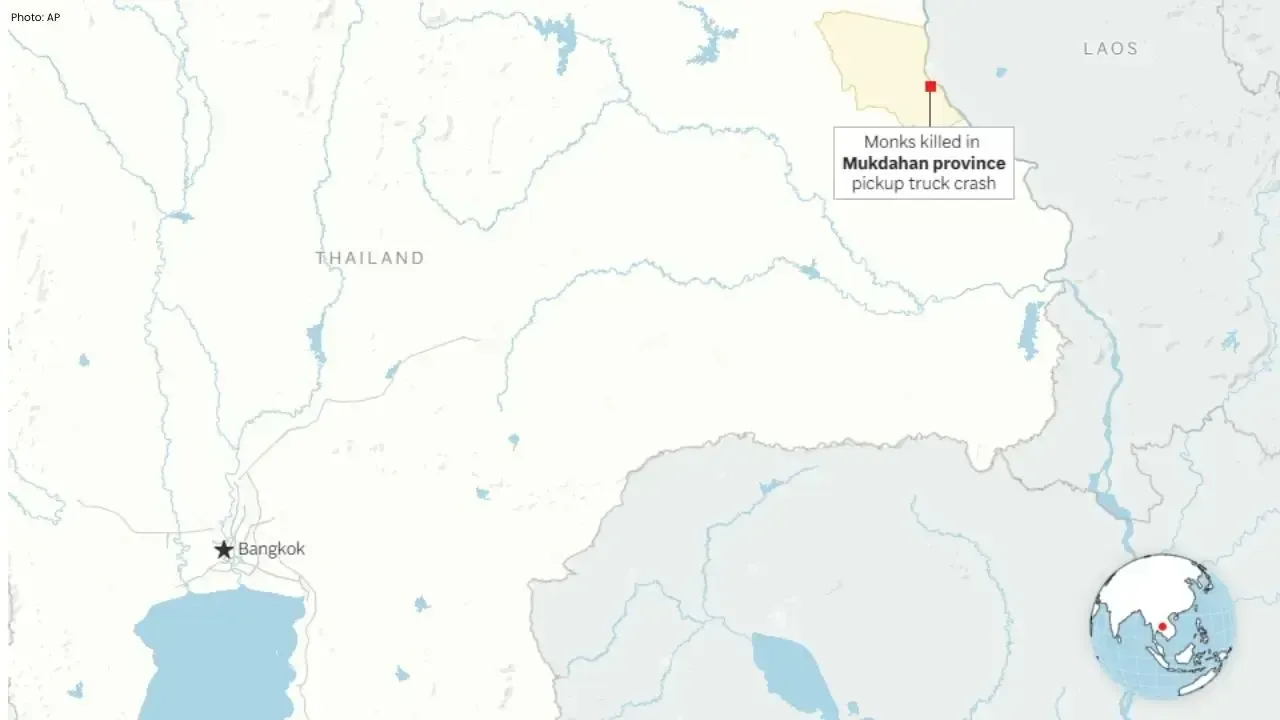
Nine Monks Killed in Thailand Pickup Truck Tragedy
An 11-year-old boy driving a pickup truck crashed into monks during a pilgrimage in northeastern Tha