
You have not yet added any article to your bookmarks!
Join 10k+ people to get notified about new posts, news and tips.
Do not worry we don't spam!
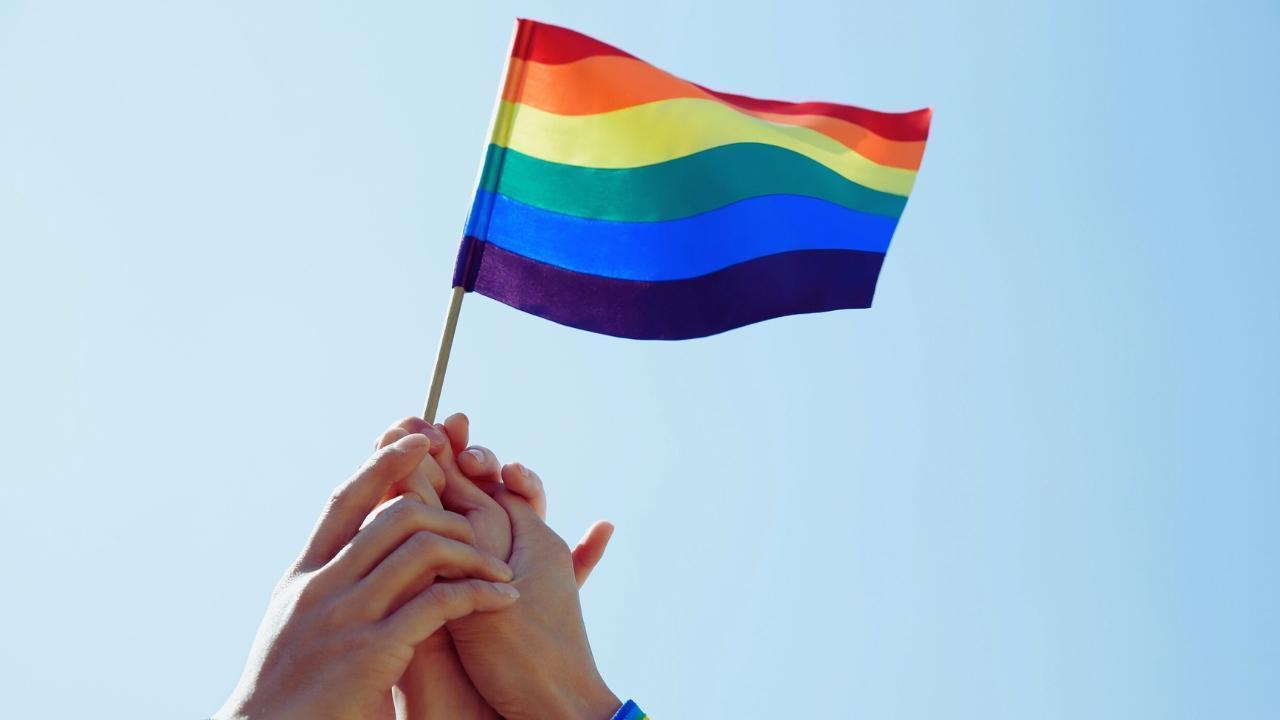
Post by : Anis Farhan
Across Southeast Asia, a quiet but powerful movement is reshaping how societies view gender and sexuality. From the pride parades in Manila to court petitions in Bangkok and online activism in Jakarta, the LGBTQ+ community is increasingly visible, vocal, and determined. And yet, progress remains uneven, complicated by religious conservatism, colonial-era laws, and societal stigma.
Southeast Asia’s story on LGBTQ+ rights is not one of uniform progress or blanket repression. Instead, it’s a region in transition, where hope, resistance, and cultural negotiation intersect. In this shifting landscape, individuals continue to fight — not just for legal recognition, but for dignity, safety, and the freedom to exist authentically.
The legal landscape for LGBTQ+ rights in Southeast Asia is deeply inconsistent. Some countries have made strides, while others cling to outdated laws or have moved toward stricter enforcement.
Thailand is often seen as the region’s most LGBTQ+-friendly nation. Transgender visibility is high, and same-sex couples enjoy relative social acceptance. A bill recognizing same-sex civil partnerships has been debated for years, and in 2024, Thailand's Senate approved a bill to legalize same-sex marriage, pending royal assent.
The Philippines, while lacking national-level protections, has vibrant grassroots activism and municipal-level anti-discrimination ordinances. Public sentiment is gradually warming, thanks in part to strong representation in entertainment and social media.
Singapore repealed Section 377A in 2022, decriminalizing consensual sex between men. However, constitutional amendments simultaneously reinforced the definition of marriage as between a man and a woman, highlighting the political balancing act.
Malaysia, Brunei, and Myanmar maintain colonial-era sodomy laws. In some cases, enforcement is harsh — including public shaming, caning, and imprisonment. Religious morality laws, particularly in Islamic-majority regions, complicate efforts at reform.
Despite differences, the common thread is this: legality doesn’t guarantee safety, and decriminalization doesn’t automatically ensure equality.
Even in countries where LGBTQ+ people are legally tolerated, cultural and religious conservatism remains a formidable barrier. In many communities, being openly queer can result in family rejection, social exclusion, or violence. Trans women in Indonesia, known locally as waria, often face harassment and discrimination, despite historical recognition of gender variance in Javanese culture.
Religious institutions — both Islamic and Christian — frequently oppose LGBTQ+ visibility, citing moral or doctrinal arguments. Politicians often play to conservative sentiments, especially during elections, using LGBTQ+ issues as wedge topics to galvanize support.
At the same time, traditional gender diversity is not new to Southeast Asia. Cultures like the Bugis of Sulawesi recognized five genders long before Western gender theory. Thai kathoey, Filipino bakla, and other gender-nonconforming identities have long existed. The current pushback, many argue, stems more from colonial and modern religious influences than from indigenous cultural norms.
Representation matters. Over the past decade, Southeast Asian media has begun to reflect more LGBTQ+ characters and stories. Thai BL (boys’ love) dramas like SOTUS and 2gether have gained international followings, challenging stereotypes and normalizing same-sex love among younger audiences.
Filipino cinema and YouTube channels openly feature LGBTQ+ voices, while Indonesian activists use TikTok to advocate for queer rights. These platforms provide safe spaces, amplify unheard stories, and build solidarity across borders.
However, representation can also be shallow or tokenistic. Queer characters are often used for comic relief or relegated to tragic narratives. For real change, media must move beyond visibility and toward nuanced storytelling that captures the complexity of LGBTQ+ lives.
Beyond legal and social recognition, LGBTQ+ communities in Southeast Asia face disparities in healthcare, employment, and public safety.
Healthcare: Access to HIV prevention and treatment has improved in many ASEAN nations, but stigma still deters people from seeking services. Transgender individuals face difficulty accessing gender-affirming care and mental health support, especially in rural areas.
Employment: Without anti-discrimination laws, queer individuals risk job loss or hiring bias. Trans people, in particular, are often pushed into informal or underground work due to ID mismatches and appearance-based prejudice.
Safety: Hate crimes, police abuse, and conversion therapy remain real threats. Even in progressive cities, incidents of assault and blackmail go unreported due to fear of reprisal or outing.
Addressing these issues requires structural reform, community education, and greater accountability — not just from governments, but from society at large.
Despite the challenges, Southeast Asia’s LGBTQ+ movement is gaining momentum. Youth-led activism, social media awareness, and international solidarity are creating pressure for change. In many countries, Pride is no longer underground — it's organized, celebrated, and embraced by businesses, artists, and allies.
Regional civil society groups like ASEAN SOGIE Caucus and national NGOs continue to push for inclusive policies, run community shelters, and provide legal aid. Quietly, even conservative families are beginning to accept — not because of law, but because of love.
The path forward involves:
Legal reform that protects rights, not just decriminalizes acts.
Inclusive education that teaches respect for all identities.
Public-private partnerships to improve healthcare and employment inclusion.
Cultural dialogue rooted in Southeast Asia’s own histories of gender fluidity and spiritual diversity.
The question is no longer whether LGBTQ+ individuals exist — they always have. The question is whether society is ready to see them, hear them, and let them live in full.
This article is intended for informational and editorial use only. It does not represent the views of any government, religious institution, or advocacy organization. Readers should consult local legal frameworks and community groups for specific support or information.










PM Modi Pays Tribute to Mahatma Gandhi, Urges People to Support Khadi
PM Modi pays tribute to Mahatma Gandhi on Gandhi Jayanti and urges citizens to support Khadi and the

Amazon Seeks to Offload $8 Billion in Nvidia Chips to Investors
Amazon plans to move $8 billion in Nvidia chips to investors, using a new financing model to strengt

Samsung Raises Galaxy S26 Prices as Memory Chip Costs Rise
Samsung raises Galaxy S26 prices in South Korea as rising memory chip costs put pressure on smartpho

Lewis Hamilton Calls Singapore Grand Prix One of F1's Toughest Races
Lewis Hamilton discusses the demanding Singapore Grand Prix and brings Plus44 and Almave to Singapor

Denmark's Pandora Opens World's Largest Jewellery Factory in Vietnam
Pandora opens its largest jewellery factory in Vietnam, expanding global production, strengthening s

Gautam Gambhir Questions Batting-Friendly Pitches After India's Record ODI Chase
Gautam Gambhir questions batting-friendly ODI pitches after India’s record chase, calling for a bett

