
You have not yet added any article to your bookmarks!
Join 10k+ people to get notified about new posts, news and tips.
Do not worry we don't spam!
Post by : Anis Farhan
Across classrooms in every corner of the world, a quiet but powerful revolution is reshaping how students approach learning. The chalk-and-talk method, rigid curriculums, and standardized tests are slowly making way for a more personalized, self-directed learning model. As students, parents, and even educators question the relevance of traditional schooling in today’s fast-paced, tech-driven world, the rise of alternative models is becoming impossible to ignore.
From online platforms and homeschooling to project-based and experiential education, learners are exploring paths outside the conventional system. What’s emerging is not just a rejection of tradition, but a thoughtful reimagining of how learning happens — with autonomy, curiosity, and adaptability leading the way.
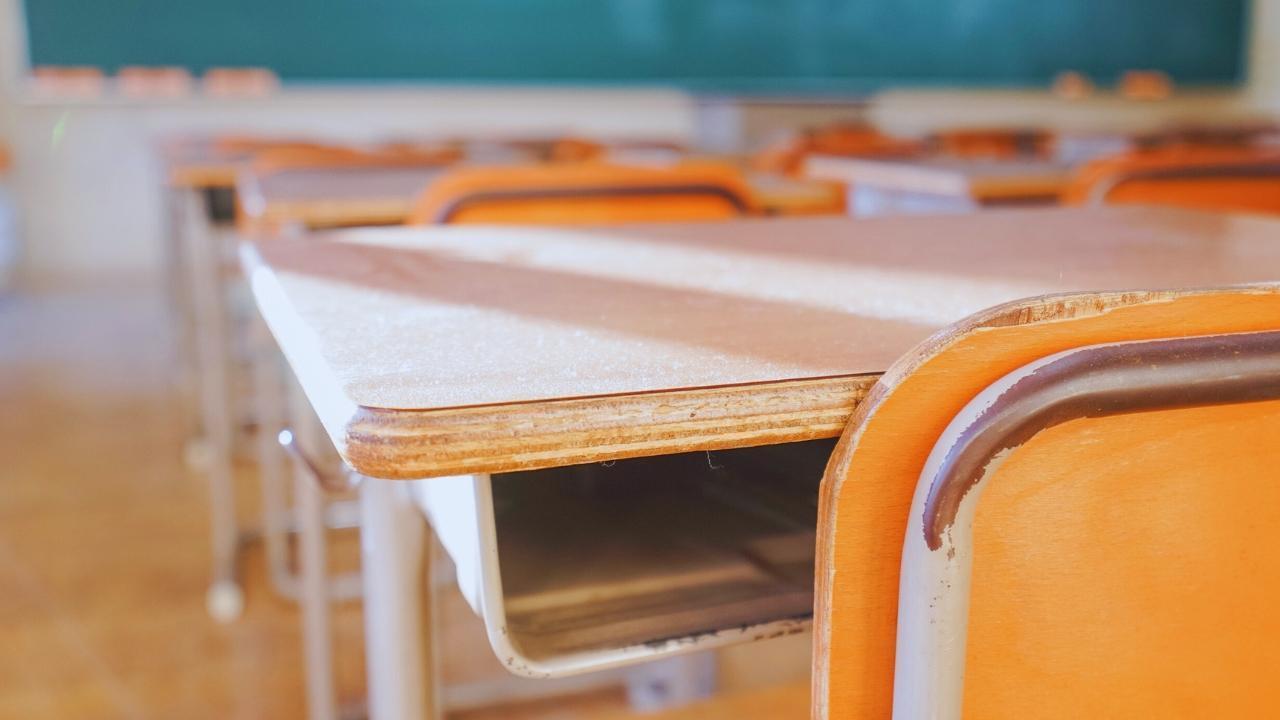
The structure of most traditional schools hasn’t changed significantly in over a century. Classrooms filled with rows of desks, teacher-led instruction, and fixed schedules still dominate. While this model once served the needs of industrial societies, today’s learners live in a world that is collaborative, digital, and constantly evolving.
Many argue that schools are failing to prepare students for the realities of modern life. Subjects are siloed and often disconnected from real-world applications. Creativity and individuality are sidelined in favor of uniform assessment metrics. Students are tested on memory rather than understanding — on their ability to conform rather than think critically.
Burnout, anxiety, and disengagement have become common. According to several education surveys, students report feeling bored and unmotivated in classrooms, with limited space to explore their personal interests. The pandemic only magnified these cracks, pushing millions of students into remote learning and giving them their first real taste of self-paced education.
Self-guided or self-directed learning places the student at the center of their educational journey. Instead of passively receiving knowledge, learners actively choose what, when, and how they learn. This model respects individual pace, curiosity, and style. It empowers students to take ownership of their learning process.
Technological advancements have made this more accessible than ever. Platforms like Khan Academy, Coursera, edX, and Duolingo offer vast content libraries — free or affordable — across disciplines. Learners can follow a structured course or simply dive into a topic of interest. Podcasts, YouTube channels, forums, and online communities serve as supplemental knowledge sources, often more engaging than traditional textbooks.
But self-guided learning is not limited to screens. Project-based learning, apprenticeships, travel, and even simple observation of everyday life play an integral part in this evolving model. Children learn to learn — they explore, question, fail, adapt, and discover organically.
In this new paradigm, parents, mentors, and guides take on a supportive, facilitative role. Rather than dictating what must be learned and when, they help learners navigate options, discover passions, and develop life skills. The emphasis shifts from control to collaboration.
Families embracing homeschooling or “unschooling” often allow children to design their daily schedules, choosing activities that ignite interest. Instead of forcing learning in fixed blocks, the environment becomes rich with learning possibilities — whether it’s cooking, nature walks, coding, or music.
Mentorship also becomes crucial. Older peers, professionals, and subject experts become valuable resources for guidance and inspiration. Some cities have even developed learning hubs or micro-schools that act as flexible learning environments, mixing physical and digital interaction without rigid hierarchy.
While self-guided learning sounds ideal, it's not a one-size-fits-all solution. Some learners thrive in structured environments. Others may lack the discipline or resources to pursue independent paths. The success of this model often depends on parental involvement, access to technology, and a supportive community — factors not universally available.
There’s also concern about gaps in foundational learning. Without a standardized curriculum, how do we ensure students gain essential math, literacy, and critical thinking skills? How do we measure progress? And how can universities or employers assess a self-guided learner’s competencies?
Yet, advocates argue that traditional schooling has these same flaws — and worse. The standardized system fails many students by assuming everyone learns the same way. In contrast, personalized learning recognizes that students may take different paths to achieve the same outcomes.
Countries like Finland, long admired for their progressive education system, offer glimpses of what a modern learning environment can look like. Finnish schools prioritize play, creativity, and less homework, with minimal standardized testing. The result? High academic performance and student well-being.
In the U.S., programs like Acton Academy allow students to lead their own learning within a guided framework. Students set their own goals, reflect on their growth, and work on real-world projects. The success of these programs is drawing attention from educators worldwide.
Meanwhile, in developing countries, self-learning is gaining ground due to lack of access to quality formal education. Mobile phones and low-cost internet have opened new doors for students in rural or underserved areas to learn independently — often surpassing their classroom counterparts.
One of the biggest benefits of self-guided learning is its positive effect on mental health. Without the constant pressure to perform, learners report feeling less anxious and more motivated. They are free to make mistakes without fear of punishment, and failure becomes part of the process rather than a setback.
Self-driven learners often develop stronger internal motivation, problem-solving skills, and emotional resilience. They’re not learning for grades or approval but because they are genuinely curious. This intrinsic motivation is what many believe sets lifelong learners apart from rote achievers.
It’s unlikely that traditional schooling will disappear overnight. But what’s more likely is a blended future — where formal education coexists with informal, fluid learning opportunities. Classrooms may become more flexible, teachers more like facilitators, and learning more experiential.
AI tools like personalized learning assistants, adaptive testing, and smart content delivery will transform how students absorb information. VR and AR will create immersive educational experiences. Yet, the core shift will be philosophical: from schooling as a system to learning as a lifestyle.
Governments and educational institutions are beginning to recognize this change. Some are adapting curriculum frameworks, experimenting with flexible assessment models, and investing in digital infrastructure. However, real transformation will depend on cultural shifts — in how we value different kinds of intelligence and redefine success.
The rise of self-guided learning is not a rebellion — it’s a response. A response to systems that feel outdated, rigid, and disconnected from real life. As the world becomes more unpredictable and complex, the skills needed to thrive are curiosity, adaptability, and self-motivation. Traditional schools weren’t designed to nurture these traits — but this new model might be.
We’re witnessing the early chapters of an educational shift that could define the next generation. It’s no longer about passing exams — it’s about preparing for life. The sooner we embrace this, the better we can equip learners for a world that values thinking over memorizing, and understanding over scoring.
The views and information expressed in this article are intended for general awareness and discussion. They do not substitute educational advice or policy. Newsible Asia does not endorse any specific educational model and encourages readers to explore what best suits their unique learning goals.










PM Modi Pays Tribute to Mahatma Gandhi, Urges People to Support Khadi
PM Modi pays tribute to Mahatma Gandhi on Gandhi Jayanti and urges citizens to support Khadi and the

Amazon Seeks to Offload $8 Billion in Nvidia Chips to Investors
Amazon plans to move $8 billion in Nvidia chips to investors, using a new financing model to strengt

Samsung Raises Galaxy S26 Prices as Memory Chip Costs Rise
Samsung raises Galaxy S26 prices in South Korea as rising memory chip costs put pressure on smartpho

Lewis Hamilton Calls Singapore Grand Prix One of F1's Toughest Races
Lewis Hamilton discusses the demanding Singapore Grand Prix and brings Plus44 and Almave to Singapor

Denmark's Pandora Opens World's Largest Jewellery Factory in Vietnam
Pandora opens its largest jewellery factory in Vietnam, expanding global production, strengthening s

Gautam Gambhir Questions Batting-Friendly Pitches After India's Record ODI Chase
Gautam Gambhir questions batting-friendly ODI pitches after India’s record chase, calling for a bett

