You have not yet added any article to your bookmarks!
Join 10k+ people to get notified about new posts, news and tips.
Do not worry we don't spam!
Post by : Anis Farhan
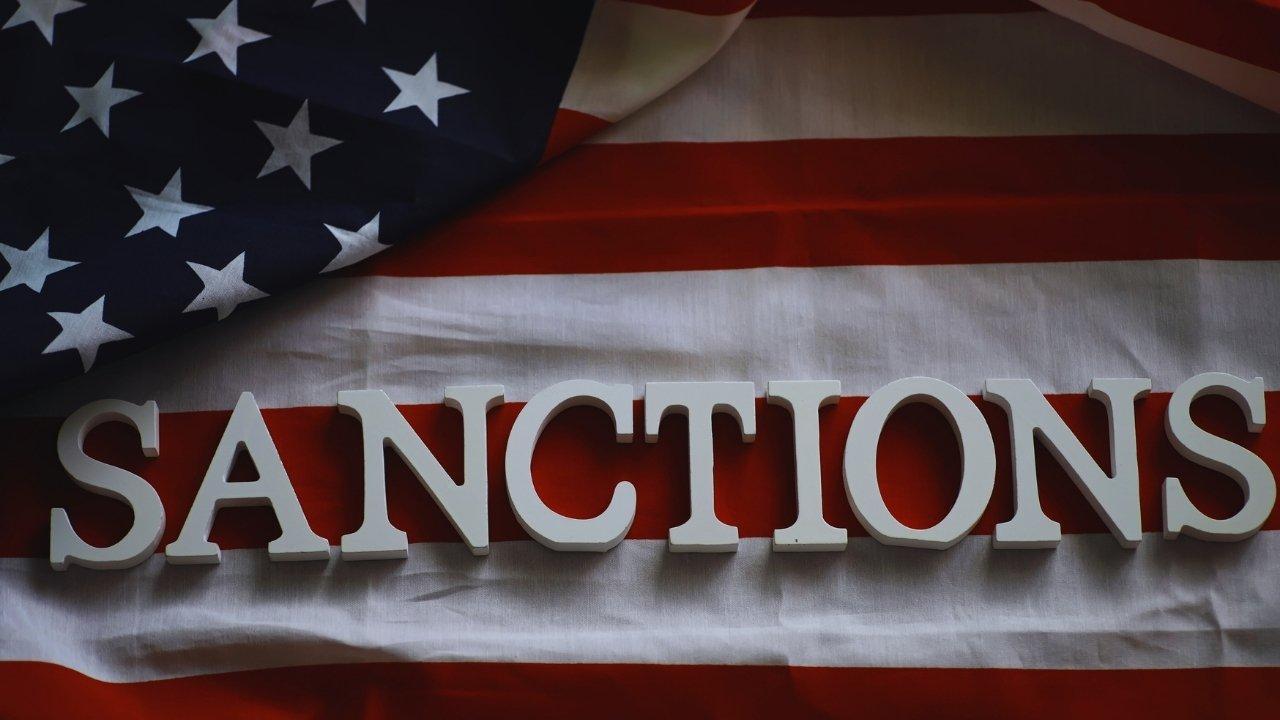
Iran’s economy has long been shaped by international sanctions, which affect its trade, financial systems, and energy exports. In 2025, these sanctions remain a defining factor, compelling Tehran to adopt creative strategies to maintain economic stability. Despite challenges such as inflation, currency fluctuations, and reduced foreign investment, Iran continues to find ways to adapt and survive. This article examines how sanctions impact various sectors and what strategies Iran is employing to sustain its economy and protect its citizens.
Sanctions primarily target Iran’s energy exports, banking sector, and access to global markets. Oil, which accounts for a significant portion of Iran’s revenue, is particularly affected, forcing the country to explore alternative buyers and barter systems.
Energy Sector: Restrictions on oil exports limit revenue, leading Iran to offer discounted crude to friendly countries or engage in unconventional trade channels. Domestic refining capacity has also increased to meet internal demand and reduce reliance on imports.
Banking and Finance: Sanctions block Iranian banks from using SWIFT for international transfers, limiting cross-border transactions. This has pushed Iran to develop localized financial networks, cryptocurrency usage, and partnerships with non-Western banking systems.
Industrial and Manufacturing: Reduced access to imported machinery and components has prompted domestic industries to innovate and localize production. From automotive to electronics, Iranian manufacturers increasingly rely on homegrown solutions to sustain output.
The sanctions have had social consequences as well, with inflation and currency depreciation affecting household purchasing power, particularly for imported goods.
Iran has responded to sanctions by diversifying trade partners. Countries in Asia, the Middle East, and even Latin America have become important buyers of Iranian goods.
China: Remains Iran’s largest trading partner, particularly in energy exports. Barter deals and yuan-denominated transactions reduce reliance on Western currencies.
Turkey and Iraq: Serve as critical transit and trade hubs, allowing Iranian goods to reach broader regional markets.
Russia and India: Partnerships focus on energy, agriculture, and technology, creating mutually beneficial arrangements that bypass sanctions.
These alternative trade networks not only sustain Iran’s economy but also reinforce geopolitical alliances outside the Western-dominated financial system.
Sanctions have accelerated Iran’s emphasis on self-reliance, or “resistance economy.” Local production of goods—from food to industrial machinery—reduces dependence on imports. Agricultural initiatives aim to achieve food security, while technological investment targets domestic innovation.
Iran’s central bank has implemented policies to stabilize the rial despite inflationary pressures. Measures include strict currency controls, encouragement of foreign currency savings, and use of barter or cryptocurrency transactions to facilitate international trade.
To reduce vulnerability in the energy sector, Iran has invested in renewable energy projects, including solar and wind farms. Domestic oil refining capacity has increased, and natural gas exports to regional neighbors continue as a reliable revenue stream.
The private sector plays a vital role in Iran’s survival strategies. Small and medium enterprises (SMEs) have adapted to sanctions by focusing on domestic markets, localized supply chains, and digital commerce. Tech startups, particularly in fintech and e-commerce, are helping modernize the economy despite limited access to international capital.
Government incentives, including tax breaks and microfinance programs, encourage entrepreneurial activity, ensuring that economic resilience extends beyond state-controlled sectors.
Sanctions have far-reaching effects beyond economics. Inflation, unemployment, and reduced access to imported goods strain public sentiment. The government balances these pressures by offering subsidies, public employment programs, and targeted welfare schemes.
Politically, sanctions have reinforced Iran’s stance on national sovereignty and self-sufficiency. They have also shaped diplomatic strategies, with Tehran seeking closer ties with countries willing to bypass Western restrictions.
Technology has become a cornerstone of Iran’s survival strategies. Digital payment systems, domestic software development, and localized industrial technology reduce dependence on foreign imports. Cryptocurrency adoption, while controversial, allows Iranian companies to conduct international transactions despite banking restrictions.
Additionally, investment in education and scientific research ensures a skilled workforce capable of sustaining innovation in key sectors, from pharmaceuticals to automotive manufacturing.
Iran has faced sanctions intermittently for decades. Lessons from previous periods have informed the current strategy:
1990s and Early 2000s: Focused heavily on oil exports and limited trade partnerships.
Post-2018 Sanctions: Greater diversification of trade partners, emphasis on domestic production, and integration of alternative financial channels.
The current approach reflects a matured economic strategy, combining pragmatism with resilience to mitigate the impact on ordinary citizens.
Iran’s survival strategies have regional and global implications. By circumventing sanctions, Iran influences energy markets, geopolitics, and trade patterns. Countries that engage with Iran risk Western scrutiny, while also benefiting from discounted energy, strategic alliances, and regional influence.
Iran’s adaptation also serves as a model for other nations facing economic isolation, demonstrating how policy innovation, domestic capacity building, and regional diplomacy can sustain an economy under pressure.
Looking forward, Iran’s economy will continue to navigate sanctions while seeking growth opportunities. Key priorities include:
Expanding renewable energy and domestic refining capabilities.
Strengthening regional trade networks.
Encouraging innovation and self-reliance in industrial production.
Ensuring social stability through welfare, subsidies, and employment programs.
While challenges remain, Iran’s multifaceted strategies indicate a nation determined to survive and adapt in a complex international landscape.
This article is for informational purposes only. It provides a general overview of Iran’s economic strategies under sanctions and does not constitute financial, legal, or investment advice. Readers should consult official government reports or financial experts for detailed guidance.





George Russell Wins Dutch GP Sprint, Boosts Mercedes Morale
George Russell wins the Dutch GP Sprint from pole as Mercedes teammate Kimi Antonelli extends his F1

Australia 50/3 After Bangladesh Bowled Out for 64 in Second Test
Australia reached 50/3 after Bangladesh were bowled out for 64 in the second Test, with Mitchell Sta

Jordan Burroughs Returns to Wrestling with 2028 Olympic Dream
Jordan Burroughs returns to wrestling with Real American Freestyle as the Olympic champion eyes a po

Lamborghini Catches Fire on Singapore's ECP, Causing Heavy Traffic
A Lamborghini caught fire on Singapore's ECP, causing heavy traffic and bus delays. No injuries were

Bangkok Airport Duty-Free Area Flooded by Pipe Burst
A burst water pipe flooded the duty-free shopping area at Bangkok's Suvarnabhumi Airport on July 16,
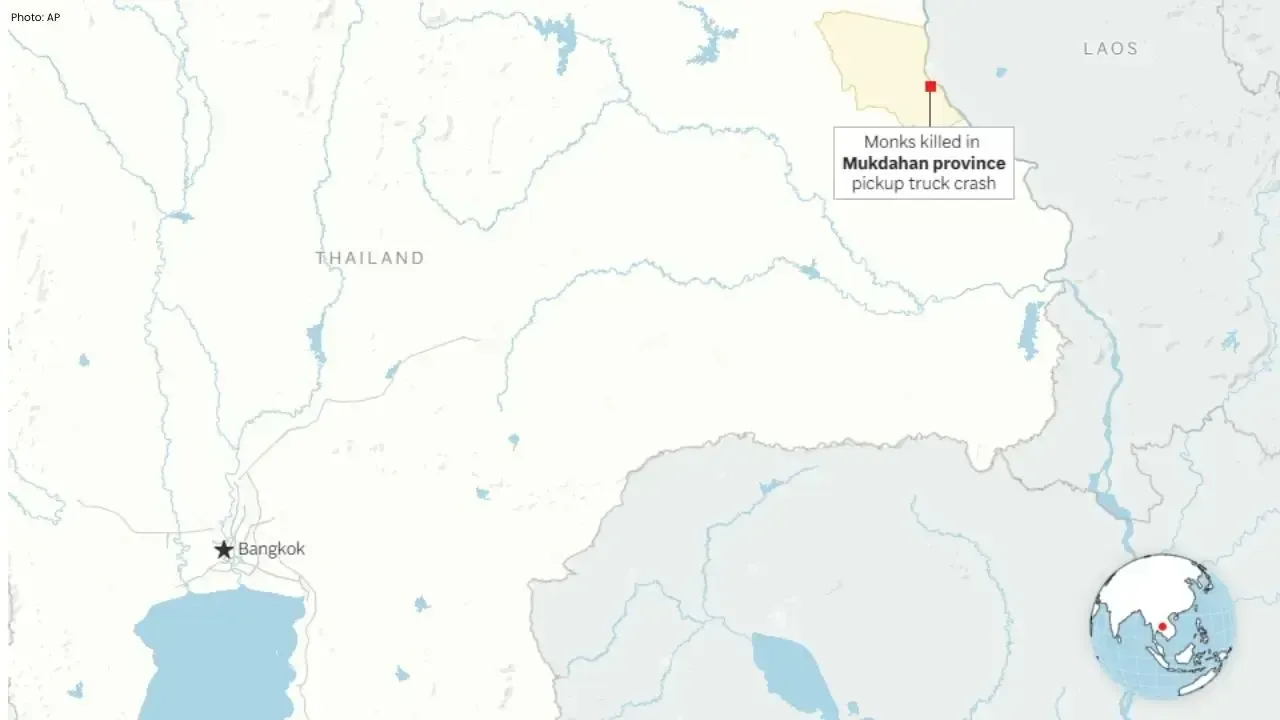
Nine Monks Killed in Thailand Pickup Truck Tragedy
An 11-year-old boy driving a pickup truck crashed into monks during a pilgrimage in northeastern Tha