
You have not yet added any article to your bookmarks!
Join 10k+ people to get notified about new posts, news and tips.
Do not worry we don't spam!
Post by : Shweta
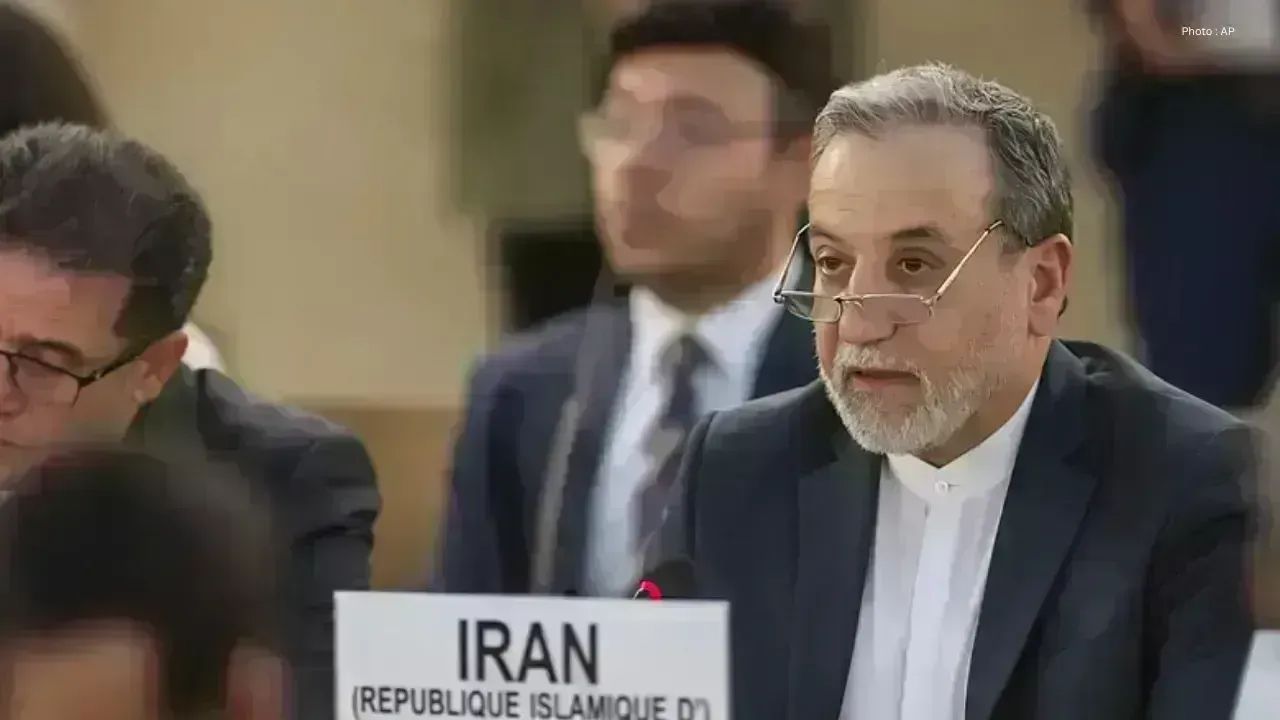
Abbas Araghchi, Iran's Foreign Minister, is set to arrive in Islamabad as part of strategic diplomatic efforts aimed at reinvigorating talks with the United States. His visit comes during a critical period marked by heightened tensions, with Pakistan intervening as a significant mediator between Tehran and Washington.
Prior to his trip, Araghchi engaged in discussions over the phone with Ishaq Dar and Asim Munir, addressing the current state of the region, the ongoing ceasefire, and initiatives to renew US-Iran negotiations. Officials on both sides reported that these conversations were productive and underscored the necessity of ongoing dialogue.
Araghchi is expected to meet with Pakistan’s political and military leaders as part of a small delegation. While initial reports hinted that this visit might directly lead to a subsequent round of negotiations, Iranian officials have noted that it forms part of a broader diplomatic strategy, which includes stops in Oman and Russia. This indicates a measured and thoughtful approach to maintaining open lines of communication.
A significant hurdle to resuming talks is the naval blockade enforced by the United States on Iranian ports. Iran insists that lifting this blockade is a crucial prerequisite for re-entering negotiations; however, the US has yet to acquiesce, presenting a substantial barrier to progress.
Pakistan is actively striving to alleviate tensions and encourage both parties to return to discussions. Islamabad officials are optimistic that recent diplomatic maneuvers may lead to a breakthrough, with claims that logistical arrangements for a potential second round of talks are already underway in the capital. Still, the specifics regarding the US delegation's participation remain unconfirmed.
The current conflict escalated on February 28, when the US and Israel executed strikes against Iran, targeting its nuclear facilities and other strategic sites. Iran retaliated, igniting a broader crisis in the region. This escalation has adversely affected global energy supply routes, particularly through the vital Strait of Hormuz.
In response to these growing tensions, a temporary ceasefire was arranged by Pakistan on April 8, paving the way for direct talks between the US and Iran on April 11–12. These negotiations were notable, marking the highest level of engagement between the two nations in many years; however, unresolved differences hindered a final accord.
In summary, Araghchi’s visit underscores ongoing diplomatic attempts to stabilize the region and resume meaningful discussions. Although obstacles remain, particularly concerning the naval blockade and various political conditions, Pakistan's facilitative role may be essential for the future of US-Iran relations.










PM Modi Pays Tribute to Mahatma Gandhi, Urges People to Support Khadi
PM Modi pays tribute to Mahatma Gandhi on Gandhi Jayanti and urges citizens to support Khadi and the

Amazon Seeks to Offload $8 Billion in Nvidia Chips to Investors
Amazon plans to move $8 billion in Nvidia chips to investors, using a new financing model to strengt

Samsung Raises Galaxy S26 Prices as Memory Chip Costs Rise
Samsung raises Galaxy S26 prices in South Korea as rising memory chip costs put pressure on smartpho

Lewis Hamilton Calls Singapore Grand Prix One of F1's Toughest Races
Lewis Hamilton discusses the demanding Singapore Grand Prix and brings Plus44 and Almave to Singapor

Denmark's Pandora Opens World's Largest Jewellery Factory in Vietnam
Pandora opens its largest jewellery factory in Vietnam, expanding global production, strengthening s

Gautam Gambhir Questions Batting-Friendly Pitches After India's Record ODI Chase
Gautam Gambhir questions batting-friendly ODI pitches after India’s record chase, calling for a bett

