You have not yet added any article to your bookmarks!
Join 10k+ people to get notified about new posts, news and tips.
Do not worry we don't spam!
Post by : Anis Farhan
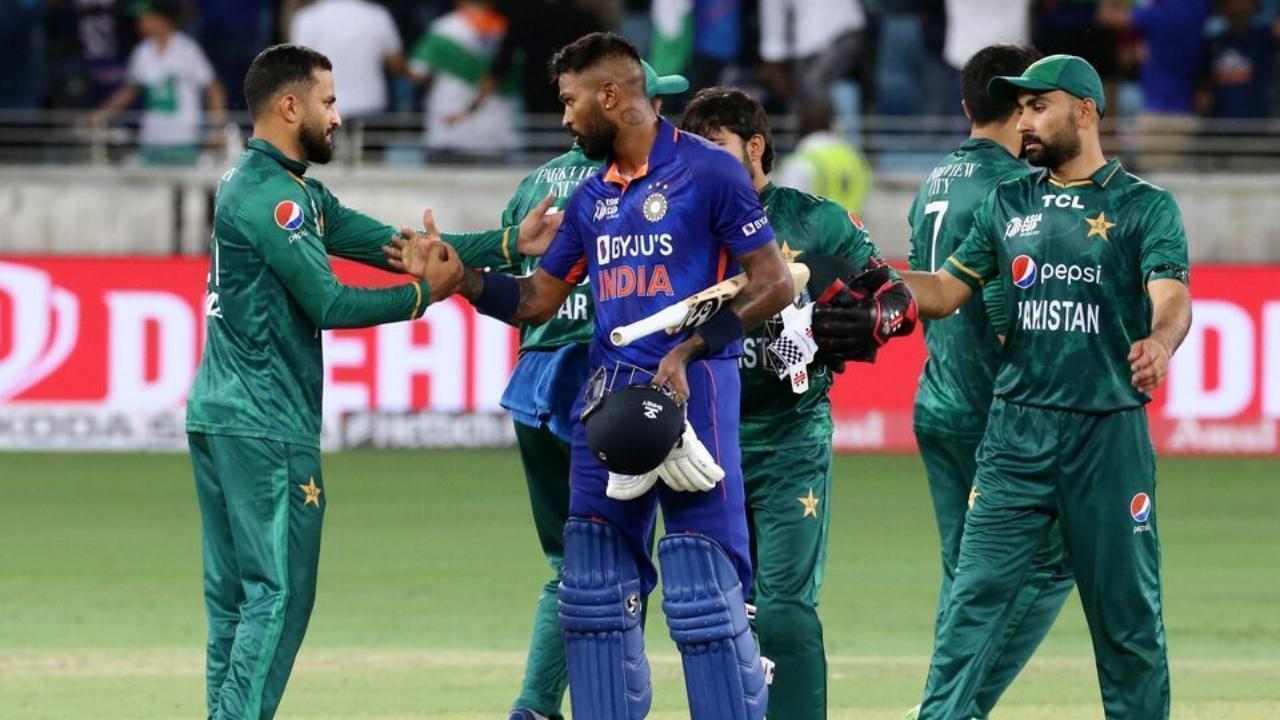
Few sporting rivalries capture the imagination and passion of fans like India vs Pakistan in cricket. Since the very first encounters decades ago, matches between these two nations have been marked by intense competition, passionate spectatorship, and moments of pure cricketing brilliance. The Asia Cup 2025 Super Four match added another chapter to this storied rivalry. Held in Dubai, the match drew fans from around the world, both in the stadium and through global broadcasts, highlighting the enduring appeal of this high-stakes contest.
From the very first ball, the atmosphere was electric. Indian and Pakistani fans packed the stands, waving flags, chanting, and creating an environment charged with excitement and anticipation. Beyond the political undertones that occasionally accompany these encounters, cricket served as the unifying force, bringing together players and spectators to witness sporting excellence at its finest.
India’s batting lineup rose to the occasion in a match that demanded skill, composure, and strategic acumen. Opening the innings, the Indian team faced early pressure from Pakistan’s disciplined bowling attack. The Pakistani pacers used clever variations, seam movement, and sharp field placements to try and unsettle the Indian openers. Despite this, India’s top-order batsmen showcased resilience and tactical execution.
Abhishek Sharma emerged as the star performer with a remarkable innings of 74 runs off just 39 balls. His aggressive stroke play, ability to find gaps, and impeccable timing electrified the crowd. Complemented by Suryakumar Yadav’s precise and calculated batting, India steadily built a formidable partnership that put Pakistan on the back foot. Yadav’s consistency and adaptability allowed him to rotate strike effectively, keeping the scoreboard ticking and ensuring that India did not lose momentum at crucial junctures.
Middle-order contributions further solidified India’s position. The middle-order batsmen displayed versatility, combining aggression with judicious shot selection to capitalize on loose deliveries while defending against strategic bowling. Each partnership reflected strategic planning, communication, and the understanding of game situations that modern cricket demands.
By the time India reached the final overs, the batting unit had established a dominant position. The combination of calculated aggression, smart running between the wickets, and power hitting in the death overs showcased the depth of India’s batting arsenal. This performance was not merely about scoring runs; it reflected mental toughness, tactical insight, and the ability to execute under pressure against a formidable opponent.
Pakistan’s bowling attack came into the match with high expectations, renowned for its pace and ability to strike early. However, India’s batsmen countered effectively, using a combination of footwork, shot selection, and situational awareness to mitigate the threat.
The Pakistani pacers initially managed to create pressure through tight lines, varied pace, and subtle changes in length. Yet, the failure to consistently hit the right areas allowed India’s batsmen to find scoring opportunities. Misfields, dropped catches, and a lack of execution at critical moments compounded Pakistan’s difficulties, undermining their effectiveness during key phases of the match.
Spin bowling, often a traditional strength in subcontinental cricket, also struggled to contain India’s versatile batsmen. Variations in flight and turn were met with calm, composed stroke play, demonstrating India’s preparation and adaptability. Pakistan’s bowlers, despite moments of brilliance, were unable to consistently disrupt partnerships or force collapses, highlighting the fine margins that separate victory from defeat in high-pressure encounters.
Chasing a challenging total, Pakistan faced an uphill battle against India’s disciplined bowling attack. Indian bowlers, led by Jasprit Bumrah, combined accuracy, pace, and tactical variety to maintain pressure from the outset. Bumrah’s ability to bowl in critical areas, especially during the powerplay and at the death, restricted scoring options and forced errors from Pakistani batsmen.
Pakistan’s opening pair attempted to anchor the innings, but early wickets disrupted the rhythm and placed added pressure on the middle and lower order. While there were flashes of resilience from key batsmen, the consistent application of pressure by India’s bowlers prevented Pakistan from building substantial partnerships.
The run rate climbed steadily, forcing Pakistan to take risks. These risks led to wickets at crucial stages, further compounding the challenge. Despite a spirited fightback from the lower order, the target proved too steep, and Pakistan was unable to recover from the early setbacks.
India’s bowling unit demonstrated strategic execution and adaptability across all phases of the innings. The pacers exploited early movement, maintained pressure in the middle overs, and executed precise yorkers and bouncers in the final overs.
Jasprit Bumrah once again proved to be a match-winner with his ability to bowl under pressure. His combination of pace, accuracy, and variations made it difficult for Pakistani batsmen to settle. Support from other fast bowlers ensured that pressure was applied from both ends, leading to wickets at pivotal moments.
Spin options further added to India’s dominance. Strategic variations in pace and line created uncertainty, forcing errors and helping to stifle the scoring rate. The seamless coordination between bowlers, backed by sharp fielding and astute captaincy, highlighted India’s preparation and adaptability.
Fielding played a critical role in India’s victory. Agile fielders saved crucial runs, effected direct hits, and maintained high energy throughout the match. The importance of fielding in modern cricket cannot be overstated; it not only supports bowlers but also influences the psychological dynamics of the game.
India’s team demonstrated excellent communication, anticipation, and coordination in the field. Quick reflexes, sharp throws, and athletic dives contributed to restricting Pakistan’s scoring opportunities and creating wicket-taking chances. Fielding excellence provided India with an additional edge, reinforcing the importance of a well-rounded approach in high-stakes matches.
Beyond individual performances, India’s victory was a product of meticulous planning, strategy, and execution. Captains and support staff analyzed conditions, studied opposition tendencies, and formulated plans that balanced aggression with caution. Decisions on bowling changes, field placements, and batting order adjustments reflected a deep understanding of the game and situational demands.
Strategic thinking was evident in India’s approach to both batting and bowling. Partnerships were carefully nurtured, scoring opportunities were maximized, and risks were calculated. The use of technology, video analysis, and data-driven insights supported decision-making, exemplifying the evolving nature of cricket in the modern era.
Matches between India and Pakistan transcend sport, resonating deeply with fans across the subcontinent and globally. The 2025 Asia Cup encounter was no exception, generating immense excitement on social media, television broadcasts, and in stadiums. Fan reactions, celebratory chants, and digital engagement underscored the cultural significance of this rivalry.
Social media buzz amplified key moments, with fans sharing highlights, reactions, and expert commentary. Memorable plays, such as Abhishek Sharma’s explosive innings, were celebrated widely, creating a shared narrative of sporting excellence and national pride.
India’s commanding win has significant implications for the Asia Cup 2025. The victory strengthens India’s position in the Super Four stage, boosting confidence and momentum as the tournament progresses. For Pakistan, the loss provides critical lessons, highlighting areas for tactical adjustment and player development.
Future matches in the tournament will likely reflect intensified strategies, improved preparation, and heightened fan anticipation. India’s performance sets a benchmark for consistency, composure, and execution, while Pakistan will seek to regroup and demonstrate resilience in upcoming games.
The India vs Pakistan Asia Cup 2025 match was more than just a cricket contest; it was a celebration of skill, strategy, and sportsmanship. India’s victory highlighted exceptional batting, disciplined bowling, athletic fielding, and strategic mastery. It reaffirmed the team’s ability to perform under pressure and adapt to evolving match conditions.
Beyond the scoreboard, the match exemplified cricket’s power to unite fans, inspire athletes, and create lasting memories. The passion, excitement, and drama on display underscored why this rivalry continues to captivate millions around the world. As the Asia Cup 2025 unfolds, both teams carry forward lessons, momentum, and the promise of more unforgettable cricketing moments.
This article is intended for informational and sports analysis purposes only. It reflects events, performances, and observations from the India vs Pakistan Asia Cup 2025 match. All opinions are based on factual match occurrences and are not intended as betting advice or official commentary.










George Russell Wins Dutch GP Sprint, Boosts Mercedes Morale
George Russell wins the Dutch GP Sprint from pole as Mercedes teammate Kimi Antonelli extends his F1

Australia 50/3 After Bangladesh Bowled Out for 64 in Second Test
Australia reached 50/3 after Bangladesh were bowled out for 64 in the second Test, with Mitchell Sta

Jordan Burroughs Returns to Wrestling with 2028 Olympic Dream
Jordan Burroughs returns to wrestling with Real American Freestyle as the Olympic champion eyes a po

Lamborghini Catches Fire on Singapore's ECP, Causing Heavy Traffic
A Lamborghini caught fire on Singapore's ECP, causing heavy traffic and bus delays. No injuries were

Bangkok Airport Duty-Free Area Flooded by Pipe Burst
A burst water pipe flooded the duty-free shopping area at Bangkok's Suvarnabhumi Airport on July 16,

Nine Monks Killed in Thailand Pickup Truck Tragedy
An 11-year-old boy driving a pickup truck crashed into monks during a pilgrimage in northeastern Tha