You have not yet added any article to your bookmarks!
Join 10k+ people to get notified about new posts, news and tips.
Do not worry we don't spam!
Post by : Anis Farhan
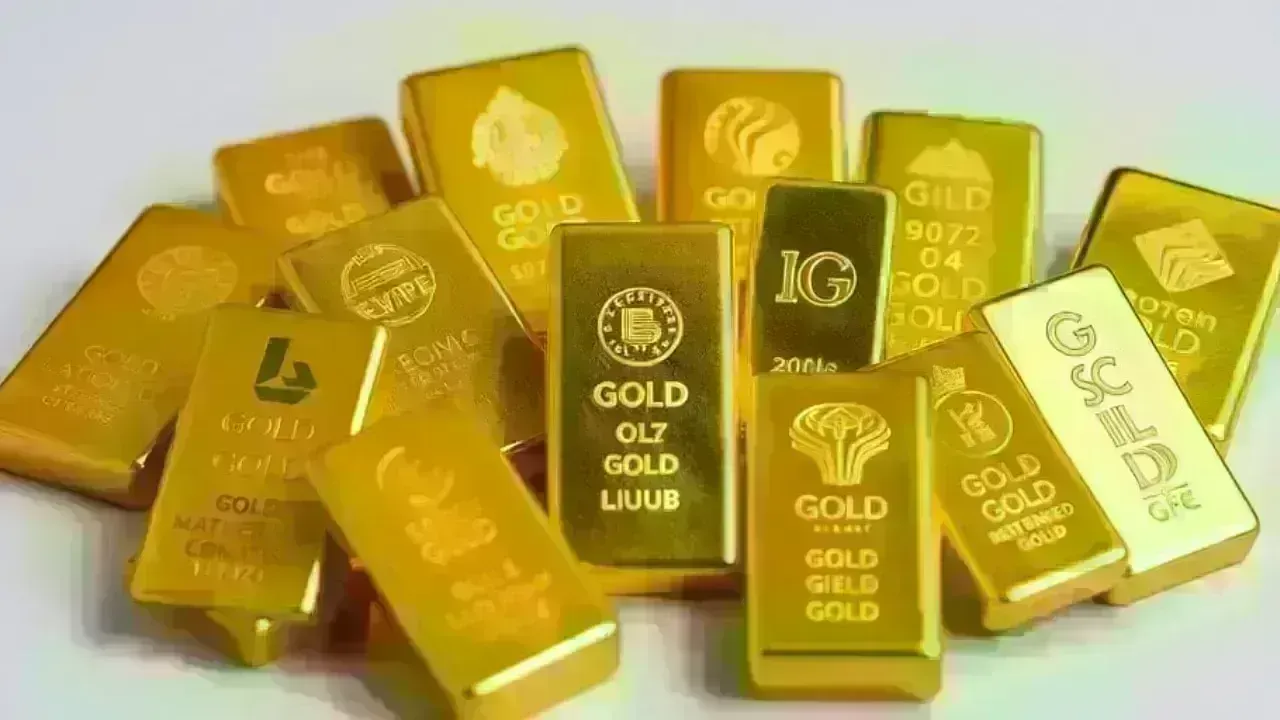
Gold continued to trade near historic peaks as investors sought refuge from growing global market risks tied to renewed talk of trade conflicts, particularly between the United States and Europe. Renewed threats of tariffs and economic friction triggered a broader risk-off environment, prompting market participants to move capital into safe haven assets like gold and silver. This shift reflects heightened investor anxiety about potential disruption to global growth prospects and financial stability.
Spot gold hovered near record levels, remaining elevated even after recent gains. In the previous session, it reached an all-time high, underscoring the strength of demand driven by macroeconomic and geopolitical factors. U.S. gold futures likewise climbed, signalling strong trading activity and bullish sentiment in the commodity markets.
Silver, often seen as a companion safe haven to gold, also traded near its own record highs, buoyed by similar forces and encouraging precious metals investors to broaden their exposure beyond gold.
A central factor fuelling the rally in gold prices has been the escalation of trade war fears. The prospect of renewed tariff wars — especially involving major global economies — has unsettled markets and shaken confidence. In particular, tensions arising from disputes over strategic regions and trade policies have intensified perceptions of global economic risk.
Threats by national leaders to impose or expand tariffs on allied countries have helped create a perception that global economic cooperation could deteriorate. In such an environment, assets with traditionally defensive characteristics, like gold, become increasingly attractive. Investors tend to seek protection against anticipated market turbulence and currency depreciation, positioning gold at the centre of risk hedging strategies.
The broader impact of trade and geopolitical risks has been noticeable in markets worldwide. Equity markets have experienced downward pressure, with many benchmark indices retreating as traders reassess growth prospects. Government bond markets and currencies have also reflected heightened volatility, further incentivising portfolio shifts toward precious metals.
This chain reaction highlights the interconnected nature of global financial markets: tensions in trade policy can trigger shifts not only in commodity prices but also in equity valuations, exchange rates, and fixed income instruments.
Another element contributing to the strong performance of gold has been weakness in the U.S. dollar. As gold is priced in dollars, a softer greenback typically makes bullion more accessible to overseas buyers and can support higher price levels in local currencies. During recent sessions, the dollar has shown signs of weakness against major currencies, incentivising increased investment in gold.
When the dollar weakens, not only does gold benefit, but other safe haven currencies like the Japanese yen and Swiss franc often appreciate, signalling a broader risk-off tilt in investor behaviour.
In key consumer markets like India, where gold is priced in local currency terms, a weaker dollar can translate into elevated domestic bullion prices. Rising rates in international markets usually translate to premium increases domestically, influencing demand dynamics among local buyers.
Reflecting the strength of investor interest, holdings in major gold-backed exchange-traded funds (ETFs) have shown upticks, signalling that institutional investors are allocating capital to bullion as part of diversified risk management strategies. ETF inflows often serve as a reliable indicator of institutional confidence in the precious metal’s defensive properties during turbulent market phases.
Physical demand dynamics also play a meaningful role in gold’s overall price performance. Major consumers like India and China — where cultural factors drive jewellery and investment purchases — have remained active markets even as elevated prices influence buying behaviour. Premiums in physical markets can widen or narrow based on supply conditions, import duties, and local demand sentiment.
When physical demand rises in large markets, it can act as an additional support layer for international prices, even beyond investment-driven flows.
Silver, often influenced by gold’s direction but also driven by industrial demand, has also remained buoyant. While silver prices slightly dipped from intraday peaks, they continued to trade near historic highs, reflecting sustained demand and spillover from gold’s safe haven status.
Silver’s dual role as both a monetary and industrial metal means that in addition to safe haven flows, its price resilience partly reflects optimism about global industrial activity and technological demand — particularly in sectors like renewable energy and electronics.
Other precious metals such as platinum and palladium have shown mixed responses to current market conditions. Platinum often benefits from safe haven demand but can be influenced by different industrial drivers, while palladium sees demand shifts depending on automotive and manufacturing trends.
Together, these metals form an important basket in commodities markets, with their performance collectively indicating broader shifts in investor preferences and risk sentiment across asset classes.
A key force behind the sustained gold rally has been changing investor psychology. In periods of uncertainty, behaviour tends to shift from risk-taking to risk aversion, leading to increased allocations in defensive assets. This psychological shift can have powerful cumulative effects, particularly when backed by concrete macroeconomic indicators such as geopolitical disagreement or signs of slowing growth.
From a technical perspective, gold prices have breached several resistance levels that historically signalled price ceilings. Breaking key thresholds often attracts technical traders, leading to momentum-driven purchases that can reinforce the upward trend. These technical signals, combined with fundamental demand drivers, have supported a strong overall price trajectory.
Expectations of future interest rate cuts by central banks — particularly by the U.S. Federal Reserve — have also played a role in bolstering gold. Lower interest rates decrease the opportunity cost of holding non-yielding assets like gold, making them more attractive relative to yield-bearing securities. This dynamic has encouraged investors to rebalance portfolios toward bullion in anticipation of a more accommodative monetary policy environment.
Inflation trends globally continue to factor into precious metals demand. When inflation is high or expected to rise, gold is traditionally seen as a hedge against the erosion of purchasing power. Even in scenarios where central banks manage inflation effectively, the prospect of inflationary pressures can prompt investors to maintain positions in gold to protect long-term wealth.
Retail investors often respond to gold price movements based on local cultural and economic contexts. In regions where gold holds cultural significance, high prices can sometimes reduce retail buying temporarily, as seen in recent trends where elevated premiums deter immediate purchases. However, sustained high prices can also create a sense of urgency among certain investor cohorts who view gold as a long-term store of value.
Institutional investors, including sovereign wealth funds and pension funds, have increasingly incorporated gold into diversified portfolios as a hedge against market risk and currency volatility. This trend has been particularly evident during periods of renewed geopolitical or economic uncertainty.
Many market analysts now see the possibility of gold breaching even higher thresholds in the months ahead, with some projecting psychological targets well above current records if risk-off sentiment persists. Psychological price levels often influence trading behaviour, as breakouts above commonly cited figures can attract speculative activity.
Moving forward, geopolitical developments, monetary policy actions, currency movements, and economic data releases will remain key determinants of gold’s price direction. Any escalation in trade tensions or unexpected shifts in global growth prospects could further strengthen gold’s appeal as a safe haven.
Disclaimer:
This article is for informational purposes only and does not constitute financial advice. Market conditions can change rapidly, and decisions regarding investments should be based on individual research or consultation with financial professionals.










Lamborghini Catches Fire on Singapore's ECP, Causing Heavy Traffic
A Lamborghini caught fire on Singapore's ECP, causing heavy traffic and bus delays. No injuries were

Bangkok Airport Duty-Free Area Flooded by Pipe Burst
A burst water pipe flooded the duty-free shopping area at Bangkok's Suvarnabhumi Airport on July 16,

Nine Monks Killed in Thailand Pickup Truck Tragedy
An 11-year-old boy driving a pickup truck crashed into monks during a pilgrimage in northeastern Tha
Anwar Congratulates Xi on CPC's 105th Anniversary
Malaysia reaffirms strong ties with China as PM Anwar Ibrahim sends a congratulatory letter to Presi

Thai Agriculture Team Reviews 2026 Farm Development Plans
Agriculture Ministry officials inspected livestock and organic rice projects in Nakhon Sawan to moni

Thailand, Canada Boost Ties in PM-Level Phone Talks
Thailand and Canada agreed to strengthen trade, security, OECD cooperation and ASEAN-Canada FTA talk