You have not yet added any article to your bookmarks!
Join 10k+ people to get notified about new posts, news and tips.
Do not worry we don't spam!

Post by : Anis Farhan
Education has always been central to societal growth, economic development, and personal empowerment. In recent years, global challenges such as the COVID-19 pandemic, economic disparities, and technological advancements have accelerated reforms in educational systems. Governments, private institutions, and international organizations are increasingly prioritizing inclusive and technology-driven learning, ensuring that education is accessible, flexible, and effective for all students.
Inclusive education emphasizes equity, accommodating learners with diverse needs, abilities, and backgrounds. Simultaneously, technology integration enhances learning experiences, expands access, and personalizes education to suit individual learning styles. Together, these shifts are reshaping the way education is delivered and experienced across the globe.
Several factors have accelerated global education reform:
The widespread adoption of digital tools, platforms, and learning management systems has made online and hybrid learning models feasible. Students can access lectures, tutorials, and interactive content from anywhere, breaking geographical barriers and creating a global classroom.
As economies become interconnected, the demand for globally competent graduates has increased. Multilingual education, international curricula, and cross-border collaborations prepare students to compete in a global workforce.
Education systems are increasingly addressing disparities by offering scholarships, subsidized digital resources, and inclusive classroom designs. Countries are reforming curricula and teaching practices to ensure equitable opportunities for students from marginalized communities.
Artificial intelligence, virtual reality, augmented reality, and adaptive learning software are transforming educational delivery. Personalized learning experiences cater to individual student strengths and weaknesses, making education more effective and engaging.
International organizations such as UNESCO and the World Bank advocate for inclusive and technology-driven education policies. National governments are investing in teacher training, digital infrastructure, and inclusive curricula to modernize education systems.
Inclusive education aims to accommodate all learners, including those with disabilities, socio-economic challenges, or linguistic barriers. Key practices include:
UDL principles emphasize flexible teaching methods that cater to diverse learning styles. Materials are presented in multiple formats, such as text, audio, and visuals, ensuring accessibility for students with varying needs.
Reforms include specialized educators, adaptive learning technologies, and tailored curricula to support students with learning difficulties or disabilities. Inclusive classrooms foster collaboration and understanding among all learners.
Efforts to close the gender gap involve encouraging female enrollment in STEM, providing mentorship programs, and addressing cultural barriers that limit access to education for girls.
Globalized classrooms embrace cultural diversity by integrating multilingual resources and cross-cultural curricula. This approach promotes inclusivity and prepares students for a diverse global environment.
Technology has become a cornerstone of modern education, enabling adaptive, interactive, and scalable learning experiences.
Platforms like Moodle, Canvas, and Google Classroom allow teachers to manage coursework, track student progress, and provide digital resources efficiently. LMS platforms bridge physical distance and support hybrid and fully online learning models.
AI-powered tools analyze student performance and adapt content in real-time. Personalized lesson plans, quizzes, and feedback mechanisms improve retention and engagement. AI also aids teachers by automating administrative tasks, enabling more time for student interaction.
VR and AR create immersive learning experiences, especially in fields like science, medicine, and engineering. Virtual labs, historical reconstructions, and interactive simulations enhance comprehension and student engagement.
Educational games and challenges motivate learners by integrating rewards, levels, and interactive content. Gamification promotes problem-solving, critical thinking, and sustained interest in subjects.
Smartphones and tablets provide access to bite-sized learning modules that fit into students’ daily routines. Mobile apps allow learners to study anytime, anywhere, increasing accessibility and engagement.
Finland’s education system emphasizes equity, creativity, and student well-being. Inclusive classrooms, minimal standardized testing, and teacher autonomy make learning flexible and personalized. Technology is used strategically to support rather than replace traditional learning methods.
Singapore focuses on adaptive learning and blended classrooms. The government invests heavily in educational technology, ensuring students have access to digital tools, AI-driven assessments, and interactive content. This system balances high academic achievement with critical thinking and creativity.
India has launched initiatives like Digital India and PM eVIDYA to provide online learning to rural and urban students. Partnerships with tech companies and NGOs aim to expand digital infrastructure, reduce dropout rates, and improve inclusivity.
U.S. schools increasingly use adaptive learning software and AI tools to cater to diverse learners. EdTech innovations enable students with disabilities, English language learners, and gifted students to thrive in personalized learning environments.
In countries with limited infrastructure, mobile phones provide educational access to remote communities. Programs leveraging SMS, offline apps, and low-bandwidth platforms improve literacy, numeracy, and vocational training opportunities.
Despite progress, several challenges persist:
Digital Divide: Unequal access to technology and the internet limits participation in technology-driven learning.
Teacher Training: Educators need ongoing training to effectively use digital tools and implement inclusive practices.
Curriculum Adaptation: Traditional curricula may not align with modern, technology-enabled teaching methods.
Funding and Resources: Developing nations face financial constraints that hinder large-scale education reforms.
Cultural Barriers: Resistance to change, traditional mindsets, and gender norms can impede inclusive education efforts.
Addressing these challenges requires coordinated efforts from governments, NGOs, private sector partners, and communities.
The trajectory of global education reform suggests a future where learning is:
Universal and Inclusive: All children, regardless of background or ability, can access quality education.
Technology-Enhanced: AI, VR, AR, and adaptive learning systems create personalized experiences.
Skill-Oriented: Emphasis on critical thinking, creativity, digital literacy, and problem-solving.
Flexible: Hybrid and mobile learning models allow learners to study at their own pace.
Globalized: Cross-cultural collaboration and multilingual education prepare students for international careers.
Emerging technologies like AI tutors, blockchain-based certifications, and immersive VR classrooms will further redefine learning. Governments and educators are expected to prioritize lifelong learning, enabling adults to upskill and adapt in rapidly changing job markets.
Global education reform is no longer optional—it is essential for preparing learners for a complex, interconnected world. By combining inclusive education practices with technology-driven learning, countries are addressing equity, enhancing engagement, and equipping students with the skills needed for the 21st century.
While challenges like the digital divide, teacher preparedness, and funding remain, innovative strategies and global collaboration offer a promising path forward. Education is evolving to become more adaptive, accessible, and empowering, ensuring every learner has the opportunity to succeed.
The journey toward inclusive and technology-driven education represents a transformative shift, enabling societies worldwide to nurture talent, foster equality, and create sustainable futures.
This article is intended for informational purposes and reflects ongoing trends in global education reform. Policies, programs, and technological implementations may vary across regions. Readers are encouraged to consult official educational authorities and institutions for precise guidance and updates.










George Russell Wins Dutch GP Sprint, Boosts Mercedes Morale
George Russell wins the Dutch GP Sprint from pole as Mercedes teammate Kimi Antonelli extends his F1

Australia 50/3 After Bangladesh Bowled Out for 64 in Second Test
Australia reached 50/3 after Bangladesh were bowled out for 64 in the second Test, with Mitchell Sta

Jordan Burroughs Returns to Wrestling with 2028 Olympic Dream
Jordan Burroughs returns to wrestling with Real American Freestyle as the Olympic champion eyes a po

Lamborghini Catches Fire on Singapore's ECP, Causing Heavy Traffic
A Lamborghini caught fire on Singapore's ECP, causing heavy traffic and bus delays. No injuries were

Bangkok Airport Duty-Free Area Flooded by Pipe Burst
A burst water pipe flooded the duty-free shopping area at Bangkok's Suvarnabhumi Airport on July 16,
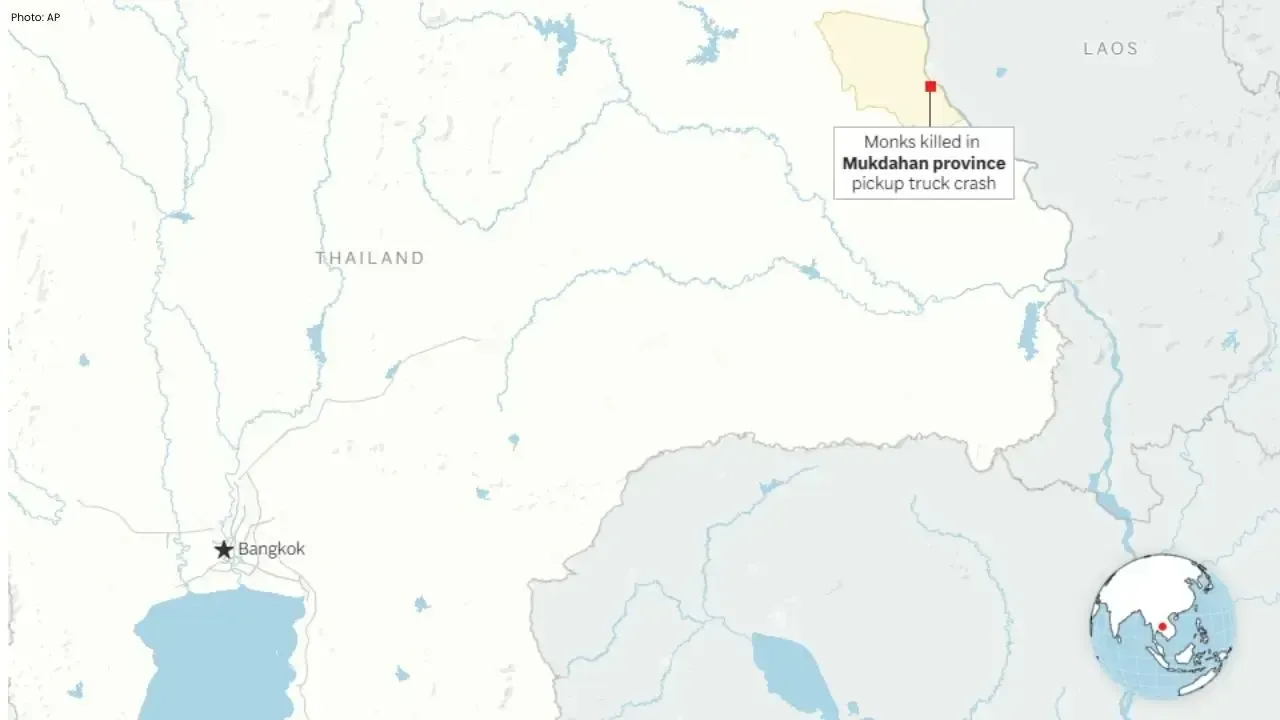
Nine Monks Killed in Thailand Pickup Truck Tragedy
An 11-year-old boy driving a pickup truck crashed into monks during a pilgrimage in northeastern Tha