
You have not yet added any article to your bookmarks!
Join 10k+ people to get notified about new posts, news and tips.
Do not worry we don't spam!
Post by : Saif Rahman
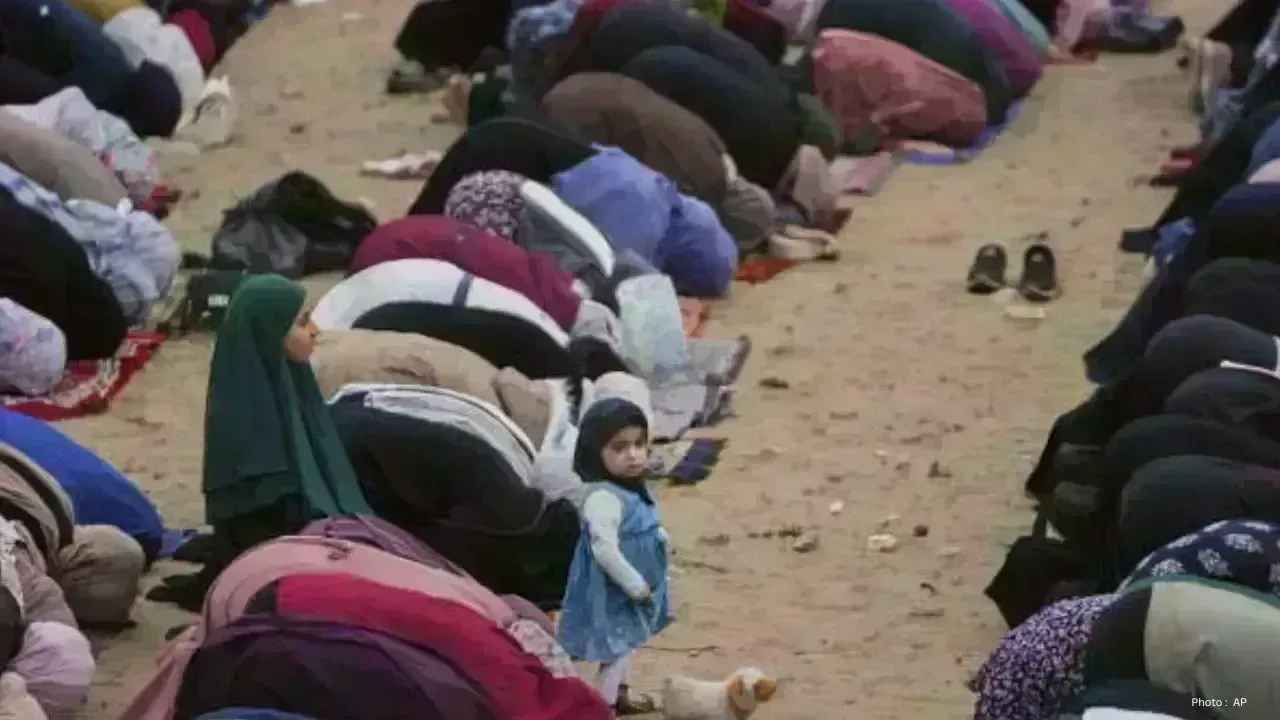
As Eid approaches, families in the Gaza Strip are grappling with unprecedented challenges caused by ongoing conflict, which has severely disrupted daily life, public services, and humanitarian conditions. Many are displaced, while food, medicine, and basic necessities are in short supply, leading to an atmosphere of uncertainty.
Traditionally a time of joy filled with family gatherings, prayers, and community spirit, this year's celebrations are overshadowed by damaged homes, overcrowded shelters, and a persistent atmosphere of fear.
The prolonged conflict between Israel and Palestinian factions has led to a dire humanitarian crisis lasting several months. Thousands of families have lost their homes, while essential infrastructure like schools and hospitals has been heavily damaged.
In various regions within Gaza, residents face limited electricity, restricted access to clean water, and acute shortages of supplies. Aid organizations have continuously emphasized that the humanitarian situation is dire, particularly affecting vulnerable populations, including children and the elderly.
Many parents struggle to uphold Eid traditions for their children. Purchasing new clothes, preparing festive meals, and giving gifts, which are staples of the celebration, have become financially unfeasible due to ongoing economic hardships and supply issues.
Humanitarian workers report that emotional stress levels among civilians have surged. Children growing up amidst this conflict are often plagued by fear and trauma, impacting their mental well-being and educational prospects for years to come.
International organizations are calling for improved humanitarian access and intensified efforts to protect civilians. Aid agencies stress the necessity of providing food, medical aid, and shelter to communities affected by the conflict.
Religious leaders in the region advocate for peace and aid for civilians during Eid. Numerous community efforts are being initiated to assist displaced families and children in need.
The economic repercussions of the conflict have exacerbated living conditions in Gaza, causing business closures and a rise in unemployment. Many families find themselves relying heavily on humanitarian aid for their survival.
Healthcare facilities are under immense strain, with hospitals and medical personnel struggling to care for the injured while facing significant shortages of medicine and equipment.
Political analysts contend that the escalating humanitarian crisis is one of the most pressing international concerns linked to the ongoing conflict. Diplomatic discussions continue around ceasefire efforts, aid delivery, and potential long-term resolutions.
Despite their hardships, many in Gaza still strive to observe Eid prayers and uphold family traditions as best they can. The strength of community bonds and religious faith provides critical emotional support in these difficult times.
Experts caution that continued conflict may inflict lasting damages on social and economic structures for generations to come. Children impacted by war are at risk of disrupted education, mental stress, and fewer opportunities as they grow.
International scrutiny remains focused on bolstering humanitarian aid and minimizing violence. Countries and organizations alike are urging all parties to prioritize civilian safety and prevent further escalation.
The debate surrounding the prolonged regional conflict has intensified. Civilian populations continue to bear the brunt of instability and violence far more than military or political leaders.
Aid organizations assert that immediate humanitarian assistance is crucial, especially during significant religious occasions like Eid, which traditionally foster family unity and contemplation.
Globally, reactions have included calls for peace, humanitarian aid, and diplomatic initiatives to alleviate civilian suffering. Social organizations and charities are ramping up fundraising efforts to support affected communities.
The challenging Eid conditions experienced by Gaza families embody the broader humanitarian issues resulting from extended conflict and political turmoil. Civilians remain the most affected by uncertainty, displacement, and economic hardship as they navigate daily life.
As families gather amidst adversity, many continue to hold onto hopes for peace, stability, and a future where religious celebrations can unfold freely, without fear or the constraints of a humanitarian crisis.










PM Modi Pays Tribute to Mahatma Gandhi, Urges People to Support Khadi
PM Modi pays tribute to Mahatma Gandhi on Gandhi Jayanti and urges citizens to support Khadi and the

Amazon Seeks to Offload $8 Billion in Nvidia Chips to Investors
Amazon plans to move $8 billion in Nvidia chips to investors, using a new financing model to strengt

Samsung Raises Galaxy S26 Prices as Memory Chip Costs Rise
Samsung raises Galaxy S26 prices in South Korea as rising memory chip costs put pressure on smartpho

Lewis Hamilton Calls Singapore Grand Prix One of F1's Toughest Races
Lewis Hamilton discusses the demanding Singapore Grand Prix and brings Plus44 and Almave to Singapor

Denmark's Pandora Opens World's Largest Jewellery Factory in Vietnam
Pandora opens its largest jewellery factory in Vietnam, expanding global production, strengthening s

Gautam Gambhir Questions Batting-Friendly Pitches After India's Record ODI Chase
Gautam Gambhir questions batting-friendly ODI pitches after India’s record chase, calling for a bett

