You have not yet added any article to your bookmarks!
Join 10k+ people to get notified about new posts, news and tips.
Do not worry we don't spam!
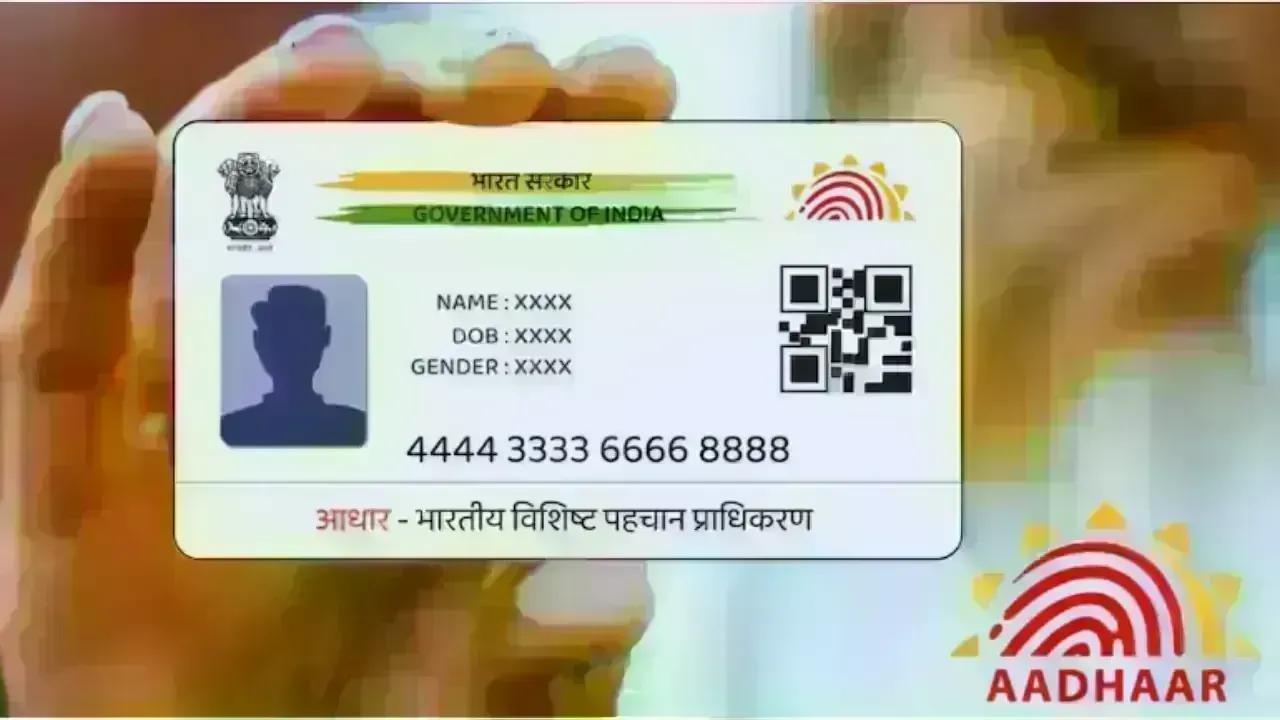
Post by : Anis Farhan
Aadhaar remains a cornerstone in India's digital governance, extending from service delivery to financial checks. The advent of a new Aadhaar-linked rule has reignited discussions about privacy, accessibility, and compliance, as the system’s impact deepens.
In contrast to previous gradual adjustments, this latest rule brings immediate repercussions for numerous citizens. Whether concerning banking, governmental benefits, or digital processes, this regulation indicates a shift towards a more cohesive digital environment. Recognizing the changes is essential for both individuals and institutions.
Primarily, the updated rule enhances the necessity of linking Aadhaar to essential databases and services. It sets stricter timelines, defines compliance conditions, and standardizes Aadhaar authentication across platforms.
According to authorities, the main aim is to eradicate duplications, tackle fraud, and guarantee that services reach those who need them. Enhanced linkage is perceived to bolster accountability and minimize leaks in public dealings.
Previously, Aadhaar linkage was marketed as optional, with alternatives available. The new rule restricts these alternatives in many instances, placing Aadhaar as the primary verification method.
This regulation introduces explicit compliance deadlines. Failure to comply by these deadlines could result in temporary service non-access until verification is done.
For government bodies, the new regulation streamlines data management, enabling swifter application processing and enhancing overall efficiency in the welfare delivery system.
Those enrolled accurately and linked will likely see faster and more reliable transfer of benefits, minimizing delays due to verification issues.
Banks and other financial entities can streamline their verification processes, enhancing onboarding procedures and simplifying documentation.
For those familiar with digital interfaces, the newly implemented rule may result in fewer paperwork requirements, speedier approvals, and hassle-free service access.
Linking Aadhaar across services reduces the need to repeatedly submit identity documents, thereby easing interactions with various institutions.
Individuals lacking smartphones or digital literacy may find it challenging to complete Aadhaar linking within the given timeframe.
Seniors and migrant workers face hurdles in maintaining updated records owing to mobility and health constraints.
Issues like biometric mismatches or system failures could hinder successful verification, temporarily affecting access to important services.
Accounts needing Aadhaar linkage may face transaction limitations if the verification process is not completed. This could affect benefit deposits and account enhancements.
While the rule aids lenders in risk assessment, it may inadvertently complicate credit access for those grappling with verification issues.
Direct benefit transfers become increasingly targeted, cutting out redundancies and ensuring funds reach intended recipients.
Inability to complete Aadhaar linking on time may lead to interruptions, even for those who qualify for benefits.
Critics point out that an increased integration of Aadhaar raises alarm about data centralization, fueling fears of misuse.
Officials assert that legislative frameworks and technological safeguards exist to protect personal data, but public reassurance hinges on observable enforcement.
Courts have underlined the importance of maintaining a balance between effective governance and individual rights. The new rule will likely be reviewed against this principle.
Mandatory linkage without viable alternatives could invite legal examination, especially if it leads to the exclusion of citizens.
With countless individuals linking Aadhaar at once, system stability is essential. Past cases reveal that technological readiness is crucial for successful execution.
Physical service centres are vital in ensuring inclusivity, particularly in rural and semi-urban regions, facilitating assisted verification.
Businesses must adapt their systems and train personnel for Aadhaar verification compliance.
Accurate identity checks can reduce fraud and foster trust between businesses and consumers.
This regulation illustrates the ongoing conflict in digital governance, where efficiency improvements may overshadow accessibility concerns.
Many obstacles arise not just from the rule but from insufficient communication regarding deadlines, which intensifies public worry.
Citizens are encouraged to check their Aadhaar linkage status to avoid any last-minute complications.
Keeping demographic and biometric data accurate can help avoid verification issues.
Those unfamiliar with digital processes should opt for authorized centres to aid in compliance.
The introduction of this Aadhaar-linked rule is likely just the beginning, indicating a future where digital identities are paramount in governance.
Future initiatives will require robust inclusion strategies to guarantee no eligible individuals are excluded due to technical barriers.
As linkage expands, the distinction between optional and mandatory narrows, raising questions about user choice.
Public acceptance hinges on trust in the security of data, fairness in processes, and prompt addressing of exclusions.
This new Aadhaar-linked rule embodies India's goal of establishing a transparent, efficient, and digitally enabled system. While it simplifies access for many, it raises new challenges that need immediate attention.
The eventual success or controversy surrounding this rule will depend on its compassionate execution. Effective grievance mechanisms, assistance for users, and clear communication will decide whether the advantages indeed supersede potential drawbacks. As the paradigm shifts, the aim must always be to empower citizens—without overwhelming them.
This article serves solely for informational purposes and does not provide legal, financial, or policy advice. Please refer to official notifications for the most accurate and up-to-date information regarding Aadhaar linkage.










George Russell Wins Dutch GP Sprint, Boosts Mercedes Morale
George Russell wins the Dutch GP Sprint from pole as Mercedes teammate Kimi Antonelli extends his F1

Australia 50/3 After Bangladesh Bowled Out for 64 in Second Test
Australia reached 50/3 after Bangladesh were bowled out for 64 in the second Test, with Mitchell Sta

Jordan Burroughs Returns to Wrestling with 2028 Olympic Dream
Jordan Burroughs returns to wrestling with Real American Freestyle as the Olympic champion eyes a po

Lamborghini Catches Fire on Singapore's ECP, Causing Heavy Traffic
A Lamborghini caught fire on Singapore's ECP, causing heavy traffic and bus delays. No injuries were

Bangkok Airport Duty-Free Area Flooded by Pipe Burst
A burst water pipe flooded the duty-free shopping area at Bangkok's Suvarnabhumi Airport on July 16,

Nine Monks Killed in Thailand Pickup Truck Tragedy
An 11-year-old boy driving a pickup truck crashed into monks during a pilgrimage in northeastern Tha