You have not yet added any article to your bookmarks!
Join 10k+ people to get notified about new posts, news and tips.
Do not worry we don't spam!

Post by : Saif Rahman
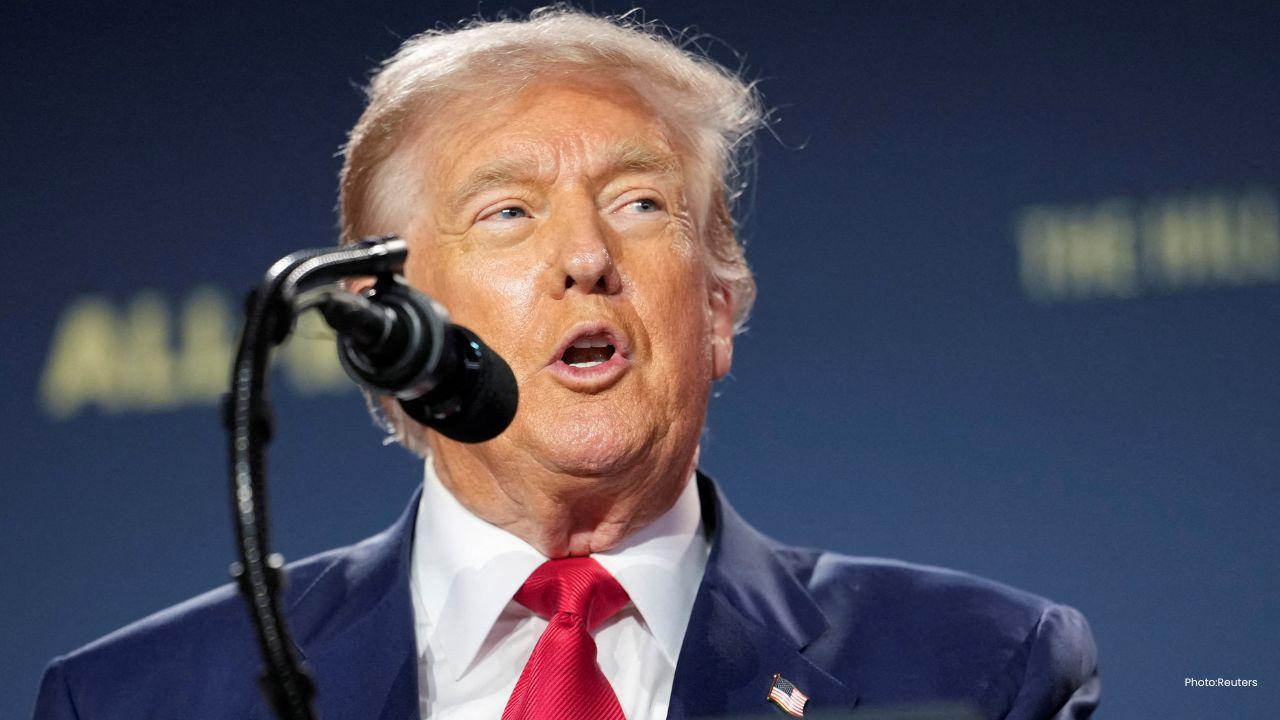
In response to U.S. President Donald Trump's recent tariff threats against European nations, leaders across Europe issued urgent warnings. They underscored that such actions could damage the trust between longstanding allies and steer global trade into perilous waters.
The escalation began when President Trump reiterated his hardline approach regarding Greenland, a self-governing region of Denmark. European nations, particularly Denmark, swiftly rejected any notion of external control over the territory, emphasizing that decisions concerning Greenland's future should rest with its own inhabitants, devoid of outside pressure from larger powers.
In light of Europe's firm stance, President Trump signaled that the U.S. might implement tariffs on goods imported from Europe. This warning has sparked alarm among European officials, who believe trade should never be manipulated as a weapon among partners that have built cooperative relationships over countless years.
Many leaders in Europe labeled the current situation a “perilous downward spiral,” cautioning that each aggressive move could trigger further retaliation, gradually eroding trust and collaboration. They contend that trade conflicts do not provide resolutions to political dilemmas; rather, they inflict harm on workers, businesses, and families across both sides.
European officials affirmed that their actions regarding Greenland are both lawful and defensive, arguing that there is no imminent threat to the United States and no grounds for economic retribution. They warned that escalating a political disagreement into a trade skirmish would only exacerbate tensions and uncertainty further.
Additionally, there are escalating concerns that such spats might undermine global stability. Disputes among close allies create openings for competitive nations to expand their influence. European leaders assert that a united front between Europe and the United States is crucial for addressing security issues, economic recovery, and international emergencies.
The European Union has initiated internal deliberations regarding potential responses should tariffs be levied. While European leaders prefer diplomatic channels and peaceful resolutions, they assert their preparedness to safeguard their economic interests if necessary. Nonetheless, the prevailing sentiment favors dialogue as the most effective and secure course of action.
This scenario encapsulates a broader issue in today's landscape, where economic pressure is increasingly employed to address political conflicts. European officials are concerned that such tactics could jeopardize the time-honored alliances that have fostered peace and prosperity over the years.
As the situation unfolds, there is a shared hope for cooler heads to prevail. Europe advocates for constructive discussions over threats, with the final outcome of this dispute poised to significantly influence future relations between Europe and the United States and the overall trajectory of global trade.
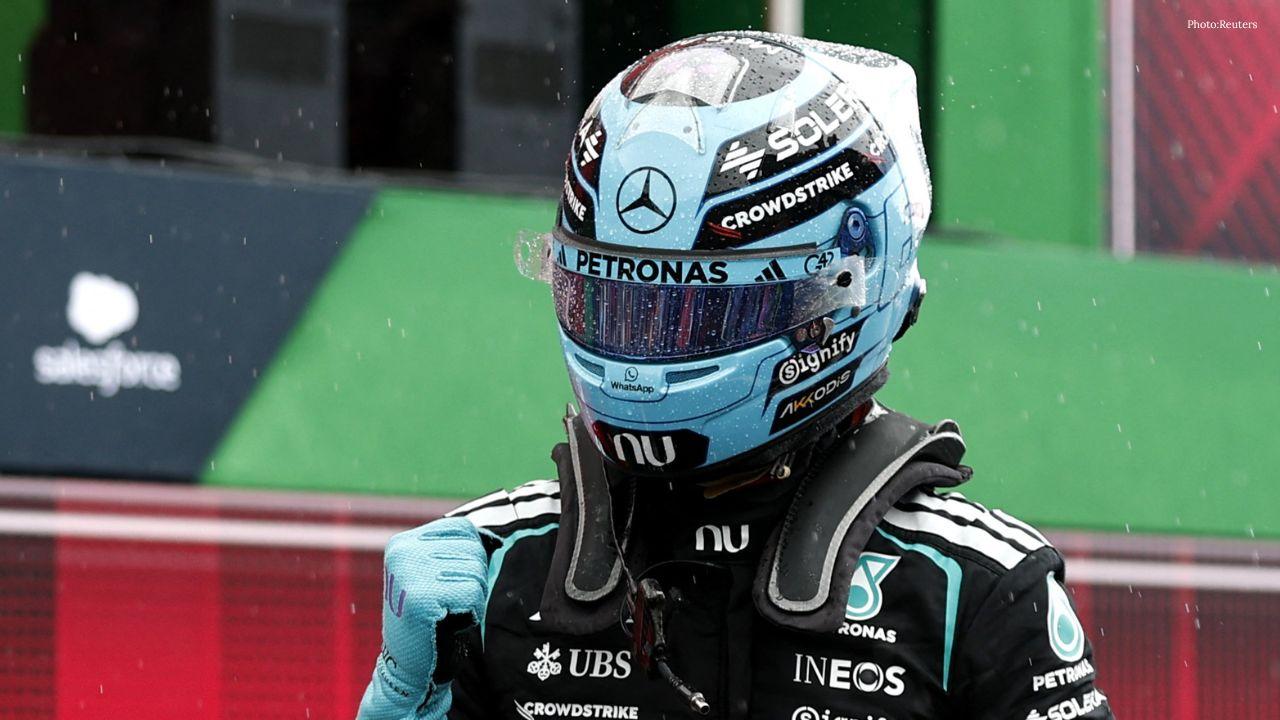



George Russell Wins Dutch GP Sprint, Boosts Mercedes Morale
George Russell wins the Dutch GP Sprint from pole as Mercedes teammate Kimi Antonelli extends his F1

Australia 50/3 After Bangladesh Bowled Out for 64 in Second Test
Australia reached 50/3 after Bangladesh were bowled out for 64 in the second Test, with Mitchell Sta

Jordan Burroughs Returns to Wrestling with 2028 Olympic Dream
Jordan Burroughs returns to wrestling with Real American Freestyle as the Olympic champion eyes a po

Lamborghini Catches Fire on Singapore's ECP, Causing Heavy Traffic
A Lamborghini caught fire on Singapore's ECP, causing heavy traffic and bus delays. No injuries were

Bangkok Airport Duty-Free Area Flooded by Pipe Burst
A burst water pipe flooded the duty-free shopping area at Bangkok's Suvarnabhumi Airport on July 16,

Nine Monks Killed in Thailand Pickup Truck Tragedy
An 11-year-old boy driving a pickup truck crashed into monks during a pilgrimage in northeastern Tha