
You have not yet added any article to your bookmarks!
Join 10k+ people to get notified about new posts, news and tips.
Do not worry we don't spam!
Post by : Shweta
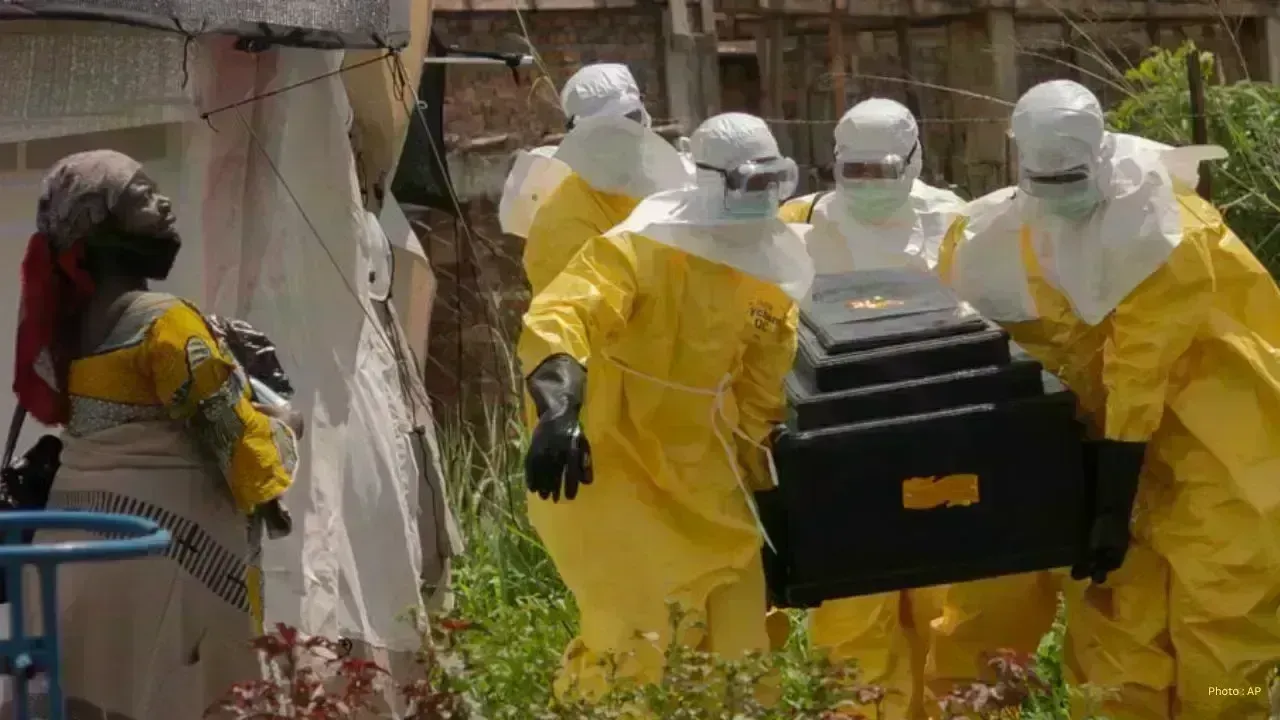
Health authorities and global aid organizations are on high alert as the Ebola outbreak in central Africa intensifies, marking a critical phase in a “race against time” to curb its spread. The World Health Organization (WHO) has raised concerns that the surge in infections and deaths is outpacing the efforts of emergency response teams, increasing the potential for a broader humanitarian and public health emergency.
The outbreak is particularly severe in the Democratic Republic of Congo (DRC), with a focus on the eastern provinces of Ituri and North Kivu. Health experts report hundreds of suspected Ebola cases, alongside over 220 reported suspected fatalities in recent weeks. The actual figures may be significantly higher, as accessibility issues in remote areas complicate accurate data collection.
WHO Director-General Tedros Adhanom Ghebreyesus highlighted the challenges faced by health teams, including security concerns, inadequate infrastructure, and escalating distrust from local populations. He emphasized that the outbreak's velocity is surpassing medical response capabilities, creating an alarming risk for local communities and adjacent regions.
Medical professionals have identified that this outbreak features the uncommon Bundibugyo strain of the Ebola virus. The absence of an approved vaccine for this specific strain adds layers of complexity to the health response, forcing teams to rely on supportive treatments, quarantine, and contact tracing in their efforts to manage the crisis.
Eastern Congo's healthcare facilities are reportedly overwhelmed as patient admissions soar. Many medical establishments are struggling with shortages of essential medicines, protective gear, and adequately trained personnel. Additionally, violence and armed conflicts in parts of the region are obstructing emergency response initiatives.
Disturbingly, there have been multiple assaults on healthcare facilities during this current outbreak. One significant event involved the torching of treatment tents supported by humanitarian efforts, resulting in some Ebola patients escaping medical supervision. Authorities are apprehensive that such movements increase the likelihood of transmission.
In light of confirmed cases crossing borders, neighboring nations have bolstered monitoring and screening measures. Uganda has already reported infections tied to travelers from the DRC, amplifying concerns over the outbreak's potential spread across Central and East Africa.
Governments around Africa and beyond are reassessing their emergency preparedness frameworks. Enhanced airport screenings, isolation protocols, and comprehensive hospital readiness plans are being implemented as authorities braced for potential imports linked to international travel.
Ebola remains one of the globe's most deadly infectious diseases, transmitted through direct contact with bodily fluids of infected individuals. It can escalate to severe illness, organ failure, and ultimately, death. Symptoms typically encompass fever, extreme fatigue, vomiting, diarrhea, and internal bleeding. Historical outbreaks have claimed thousands of lives and precipitated major humanitarian crises in the region.
Humanitarian entities are urgently appealing for international assistance. They are seeking increased funding, medical supplies, security support, and trained healthcare professionals. Delays in action could result in the outbreak mushrooming into a larger regional catastrophe affecting millions.
Experts believe that cooperation from local communities is essential to halt the outbreak's progression. Misinformation and fear have led to resistance against medical interventions and vaccination campaigns in certain areas. WHO officials stress the need to rebuild trust within these communities to enhance treatment and curtail the virus's spread.
Looking ahead, analysts contend the upcoming weeks will be pivotal in determining if health authorities can mitigate the outbreak before it further extends across the African continent. With infection rates climbing and response mechanisms stretched thin, international agencies warn that the escalating Ebola crisis in central Africa must not be overlooked.










PM Modi Pays Tribute to Mahatma Gandhi, Urges People to Support Khadi
PM Modi pays tribute to Mahatma Gandhi on Gandhi Jayanti and urges citizens to support Khadi and the

Amazon Seeks to Offload $8 Billion in Nvidia Chips to Investors
Amazon plans to move $8 billion in Nvidia chips to investors, using a new financing model to strengt

Samsung Raises Galaxy S26 Prices as Memory Chip Costs Rise
Samsung raises Galaxy S26 prices in South Korea as rising memory chip costs put pressure on smartpho

Lewis Hamilton Calls Singapore Grand Prix One of F1's Toughest Races
Lewis Hamilton discusses the demanding Singapore Grand Prix and brings Plus44 and Almave to Singapor

Denmark's Pandora Opens World's Largest Jewellery Factory in Vietnam
Pandora opens its largest jewellery factory in Vietnam, expanding global production, strengthening s

Gautam Gambhir Questions Batting-Friendly Pitches After India's Record ODI Chase
Gautam Gambhir questions batting-friendly ODI pitches after India’s record chase, calling for a bett

