
You have not yet added any article to your bookmarks!
Join 10k+ people to get notified about new posts, news and tips.
Do not worry we don't spam!
Post by : Shweta
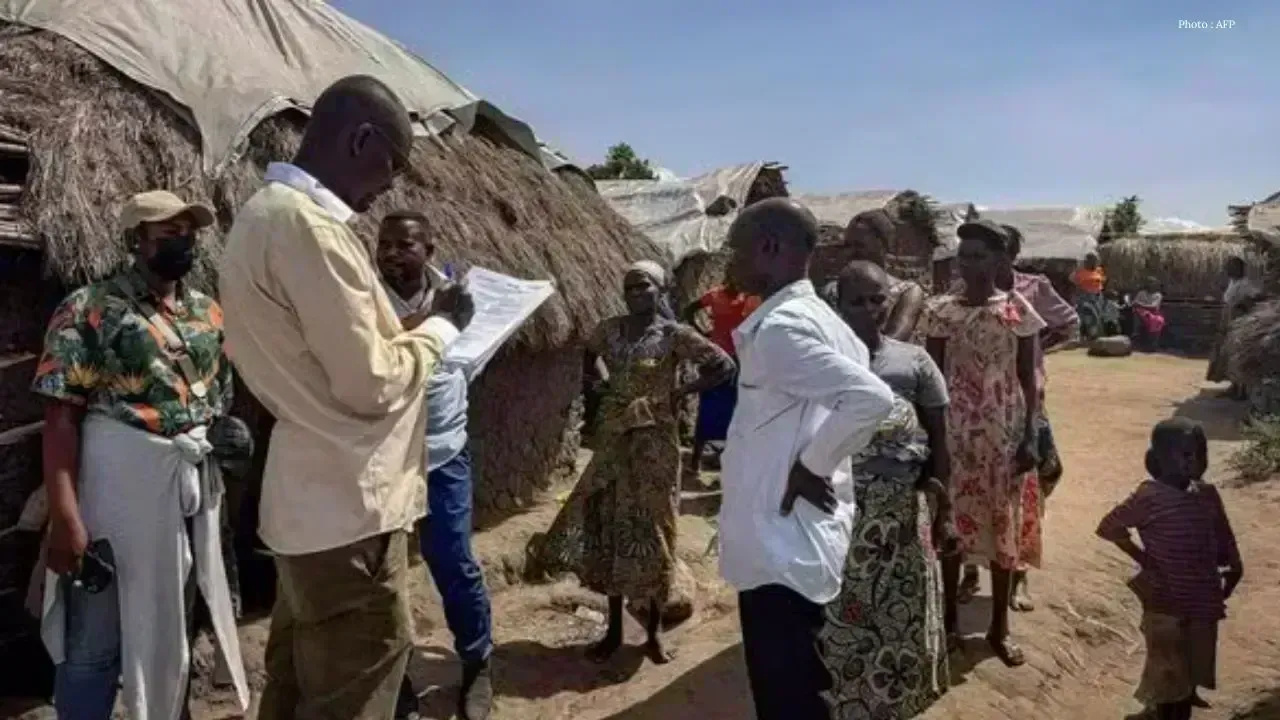
In light of the escalating Ebola outbreak linked to Central Africa, nations around the globe are ramping up travel restrictions and public health assessments. This outbreak is predominantly associated with the Democratic Republic of Congo (DRC) and Uganda, prompting several governments to introduce urgent measures aimed at curbing the virus's international spread. Experts warn that the severity of Ebola, one of the deadliest infectious diseases, necessitates vigilance due to its rapid transmission via direct contact with infected individuals or contaminated items.
The World Health Organization (WHO) has classified the outbreak as a significant international health issue, especially as case numbers rise in affected areas. Authorities have informed that a rare strain of Ebola, the Bundibugyo strain, is complicating efforts for medical teams striving to manage infections. Border crossings, airports, and key transportation networks related to the impacted countries are now under increased scrutiny by international health entities.
The United States has enacted some of the stringent travel measures thus far. American officials have instituted temporary restrictions on travelers who have visited Ebola-affected regions, including the Democratic Republic of Congo, Uganda, and South Sudan. Major U.S. airports have expanded health screening practices, and those arriving from high-risk areas might encounter additional health inquiries, temperature screenings, and follow-up monitoring. U.S. authorities emphasize that these actions are precautionary, aimed at safeguarding public health and containing the outbreak.
In Canada, border and immigration policies have been tightened in light of this health emergency. Authorities have halted some immigration processes linked to areas with high Ebola risk and alerted travelers regarding potential quarantine measures. It has been confirmed that some individuals returning from affected regions could be required to isolate for up to 21 days. Canadian public health agencies are undertaking preventive strategies to minimize the risk of Ebola cases entering the country.
Thailand has emerged as one of the first nations to mandate quarantine for travelers from outbreak-afflicted areas. Thai officials announced a required 21-day quarantine for certain at-risk travelers, aligning with Ebola's incubation period to effectively monitor symptoms before individuals engage in public activities. Health screening procedures at Thai airports have also been enhanced, alongside increased emergency readiness.
Nearby African countries are also mobilizing significant actions. Uganda has temporarily restricted sections of its border with the DRC with exceptions only for humanitarian and essential trade activities. Kenyan officials have heightened medical screenings at various borders and airports while establishing isolation facilities to handle possible emergency cases. Governments across East Africa maintain high alert due to significant regional travel connections and border movements.
Countries like India, Bahrain, Jordan, Mexico, and the Bahamas have also adopted additional travel advisories and screening initiatives. India has recommended that its citizens refrain from non-essential travel to Ebola-hit locations and has intensified monitoring at international airports. Health professionals across numerous nations are also advising hospitals and medical personnel to remain prepared for potential imported cases.
Despite the escalating restrictions, the World Health Organization urges governments not to enforce outright border closures or unnecessary travel bans. WHO representatives warn that such actions could incite panic and push travelers to seek unofficial routes that are more challenging to manage. Instead, stronger medical screenings, testing systems, contact tracing, and emergency health preparedness are advocated.
Current health experts assert that the ongoing outbreak is particularly challenging, attributed to fragile healthcare systems, armed conflict, and population displacements within affected regions. Aid organizations express concern that the turmoil in eastern Congo is obstructing medical initiatives and complicating infection tracking. International health workers are actively collaborating with local governments to prevent further virus transmission.
This outbreak has rekindled concerns reminiscent of the catastrophic West African Ebola crisis from 2014 to 2016, which resulted in over 11,000 fatalities and formed a global health catastrophe. In a bid to prevent another international crisis, nations are proactively implementing travel assessments, medical surveillance, and emergency response strategies. As the outbreak evolves, countries will likely reassess their border policies and health measures in the upcoming weeks.










PM Modi Pays Tribute to Mahatma Gandhi, Urges People to Support Khadi
PM Modi pays tribute to Mahatma Gandhi on Gandhi Jayanti and urges citizens to support Khadi and the

Amazon Seeks to Offload $8 Billion in Nvidia Chips to Investors
Amazon plans to move $8 billion in Nvidia chips to investors, using a new financing model to strengt

Samsung Raises Galaxy S26 Prices as Memory Chip Costs Rise
Samsung raises Galaxy S26 prices in South Korea as rising memory chip costs put pressure on smartpho

Lewis Hamilton Calls Singapore Grand Prix One of F1's Toughest Races
Lewis Hamilton discusses the demanding Singapore Grand Prix and brings Plus44 and Almave to Singapor

Denmark's Pandora Opens World's Largest Jewellery Factory in Vietnam
Pandora opens its largest jewellery factory in Vietnam, expanding global production, strengthening s

Gautam Gambhir Questions Batting-Friendly Pitches After India's Record ODI Chase
Gautam Gambhir questions batting-friendly ODI pitches after India’s record chase, calling for a bett

