
You have not yet added any article to your bookmarks!
Join 10k+ people to get notified about new posts, news and tips.
Do not worry we don't spam!
Post by : Anis Farhan
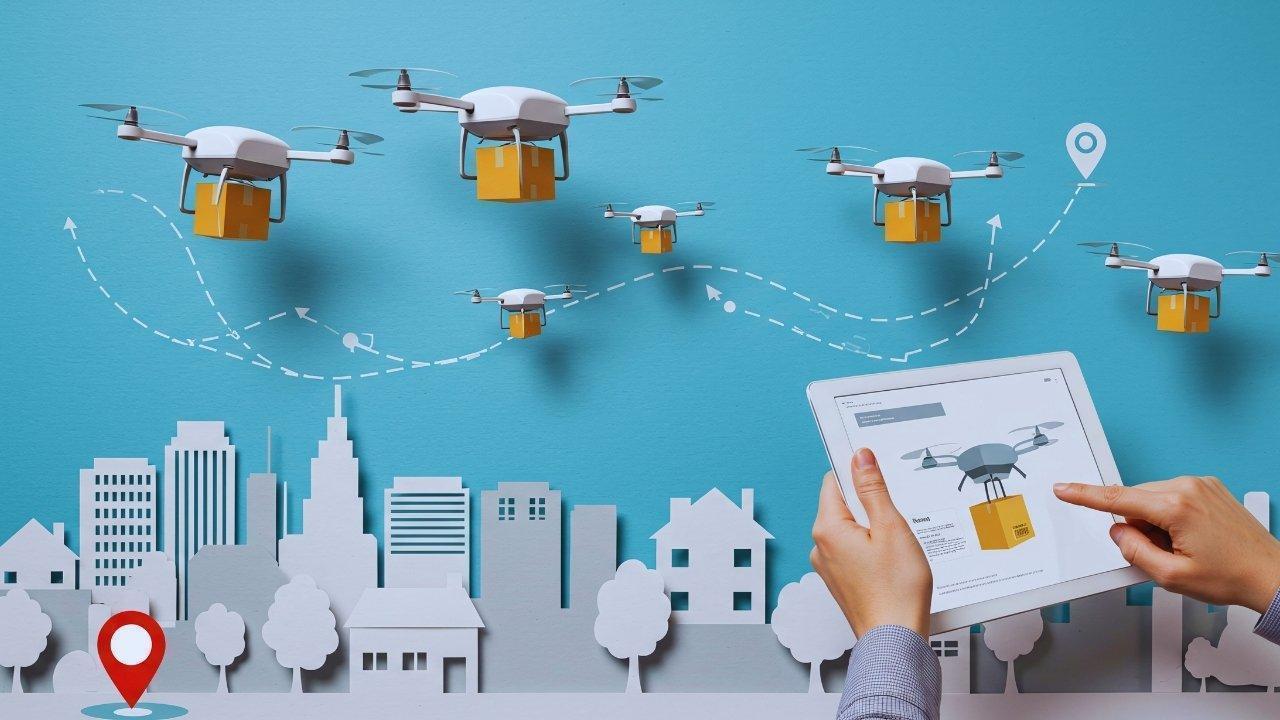
Drone delivery has emerged as a symbol of futuristic urban logistics. Companies like Amazon, Wing, and Zipline have demonstrated the potential for fast, on-demand delivery of packages, medical supplies, and groceries. In theory, drones can reduce delivery times, lower traffic congestion, and provide cost savings compared to traditional vehicles.
Urban environments, with their dense populations and heavy traffic, are particularly attractive for drone logistics. The promise is compelling: drones can bypass road congestion, deliver urgent items within minutes, and operate around the clock. During pandemic lockdowns, drone pilots demonstrated the feasibility of contactless delivery, highlighting the technology’s societal benefits.
However, scaling drone delivery in densely populated cities is far from straightforward. Beyond the initial excitement, significant operational, regulatory, and social barriers need to be addressed before drones become a common sight above city streets.
Operating drones in dense urban areas requires overcoming numerous technical challenges:
Navigation and Safety: Urban environments are full of obstacles — skyscrapers, power lines, and unpredictable weather patterns. Drones need sophisticated sensors and AI-powered navigation systems to avoid collisions and ensure safe flights.
Payload Limitations: Most delivery drones can carry only lightweight packages. Scaling delivery of heavier items would require larger drones, which introduce additional regulatory and safety concerns.
Battery Life and Range: Limited battery capacity restricts flight range, requiring recharging infrastructure or drone hubs throughout the city.
Traffic Management: As multiple drones operate simultaneously, urban air traffic control becomes a necessity to prevent mid-air collisions.
Technology is advancing rapidly, but the deployment of drone fleets at city scale demands high reliability and fail-safe systems, particularly in areas where dense populations amplify risks.
Regulations remain one of the most significant barriers to large-scale drone deployment in cities. Governments and aviation authorities are cautious due to safety, privacy, and liability concerns:
Airspace Management: Urban airspace is tightly controlled, and integrating drones with traditional aircraft and helicopters is complex.
Permits and Licensing: Operators need approvals for flight corridors, commercial use, and beyond-visual-line-of-sight (BVLOS) operations.
Privacy Concerns: Drones equipped with cameras or sensors raise privacy issues, particularly in residential areas.
Liability and Insurance: Determining responsibility for accidents, damages, or injuries caused by drones remains a legal grey area.
Without clear regulations, companies risk fines or operational shutdowns, limiting the scalability of drone delivery in cities.
Drone delivery may reduce delivery time, but economic and operational challenges also arise:
Infrastructure Costs: Establishing drone hubs, charging stations, and automated package handling systems requires substantial investment.
Operational Reliability: Weather, urban congestion, and technical failures can disrupt delivery schedules, impacting service reliability.
Labor Dynamics: While drones reduce the need for delivery drivers, new jobs are needed for drone maintenance, monitoring, and fleet management.
Public Acceptance: Residents may resist drones due to noise, perceived hazards, or privacy concerns, affecting adoption rates.
Companies must weigh these costs against potential efficiencies to determine whether drone delivery is economically viable in dense urban markets.
Several pilot programs around the world provide insights into what works:
Zipline in Rwanda and Ghana: Focused on medical supply delivery, Zipline has achieved high reliability and public trust, showing drones’ value in urgent deliveries.
Wing in Australia and the U.S.: Wing’s trials delivering groceries and essential goods demonstrated the ability to navigate suburban and semi-urban areas efficiently.
Amazon Prime Air: Amazon has conducted multiple trials, emphasizing automated flight management and package delivery under controlled conditions.
These case studies highlight potential but also reveal the limitations when scaling to highly congested urban centers with complex airspace and regulatory frameworks.
Drone delivery can offer environmental benefits, such as reducing vehicle emissions and easing urban traffic. However, there are social and ecological considerations:
Noise Pollution: Swarms of drones overhead could contribute to urban noise pollution, affecting residents’ quality of life.
Energy Use: While electrically powered, drones require charging infrastructure, which may rely on non-renewable energy sources.
Equity and Access: Drone delivery may initially serve affluent areas, leaving lower-income neighborhoods with traditional delivery delays, raising social equity concerns.
Balancing the environmental gains with potential negative impacts is crucial for sustainable drone integration.
Despite challenges, the future of urban drone delivery looks promising, but only with careful planning:
Integrated Air Traffic Control: Cities may need dedicated drone corridors with AI-powered traffic management to prevent accidents.
Public-Private Collaboration: Governments, industry, and communities must collaborate on regulations, safety standards, and infrastructure development.
Technological Innovation: Advances in battery life, obstacle avoidance, and autonomous flight will expand capabilities.
Community Engagement: Educating the public about benefits, safety measures, and operational transparency can improve acceptance.
Drone delivery is likely to start in niche markets — urgent medical deliveries, light-weight e-commerce packages — before scaling to broader urban logistics networks.
This article is based on publicly available information about urban drone delivery programs, technological innovations, and regulatory frameworks. It is intended for informational purposes only and does not constitute investment, legal, or operational advice.










PM Modi Pays Tribute to Mahatma Gandhi, Urges People to Support Khadi
PM Modi pays tribute to Mahatma Gandhi on Gandhi Jayanti and urges citizens to support Khadi and the

Amazon Seeks to Offload $8 Billion in Nvidia Chips to Investors
Amazon plans to move $8 billion in Nvidia chips to investors, using a new financing model to strengt

Samsung Raises Galaxy S26 Prices as Memory Chip Costs Rise
Samsung raises Galaxy S26 prices in South Korea as rising memory chip costs put pressure on smartpho

Lewis Hamilton Calls Singapore Grand Prix One of F1's Toughest Races
Lewis Hamilton discusses the demanding Singapore Grand Prix and brings Plus44 and Almave to Singapor

Denmark's Pandora Opens World's Largest Jewellery Factory in Vietnam
Pandora opens its largest jewellery factory in Vietnam, expanding global production, strengthening s

Gautam Gambhir Questions Batting-Friendly Pitches After India's Record ODI Chase
Gautam Gambhir questions batting-friendly ODI pitches after India’s record chase, calling for a bett

