You have not yet added any article to your bookmarks!
Join 10k+ people to get notified about new posts, news and tips.
Do not worry we don't spam!
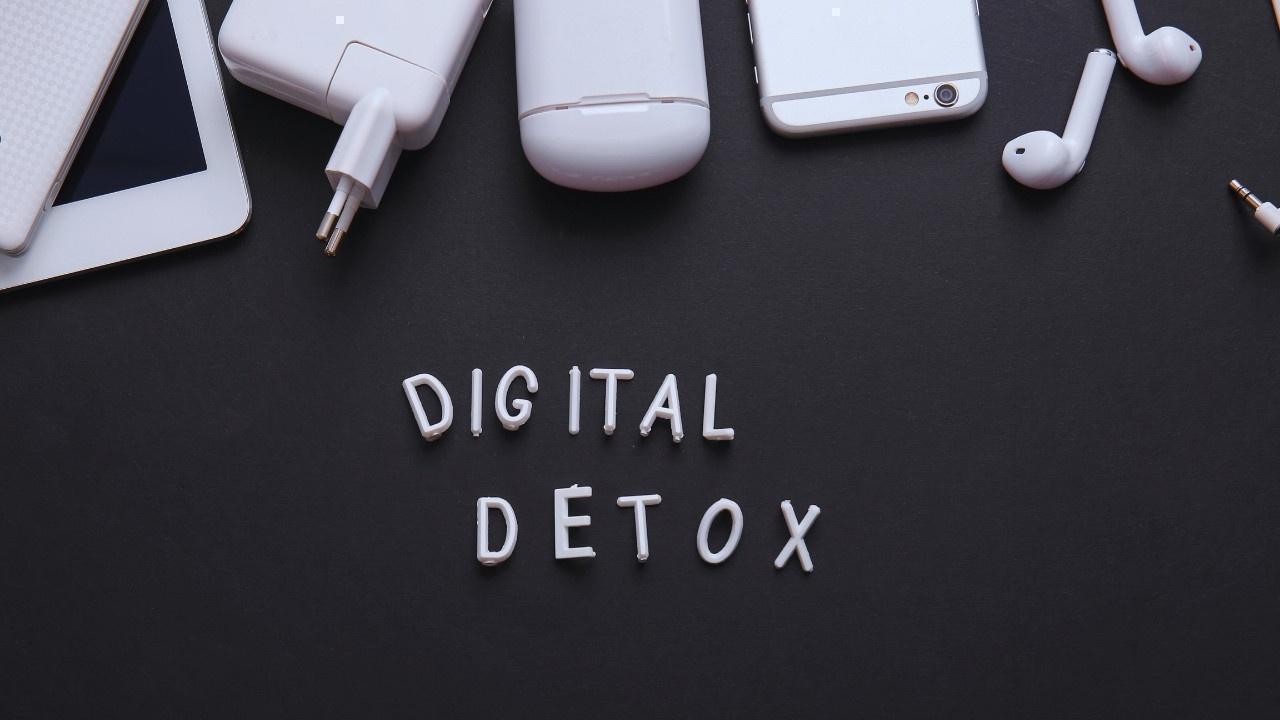
Post by : Anis Farhan
In a world where every ping, vibration, and notification competes for attention, silence has become a luxury. From the moment we wake up to the time we fall asleep, screens dominate our daily lives. Whether it’s replying to emails, scrolling through social media, or binge-watching series, technology has become both our greatest convenience and our most persistent distraction. But as people start realizing the toll this constant connectivity takes on their mental health, relationships, and productivity, a quiet revolution is unfolding — the rise of digital detox.
Digital detox doesn’t mean rejecting technology entirely. It’s about setting healthy boundaries between our digital and personal lives. The concept encourages individuals to consciously disconnect from devices for a period — hours, days, or even weeks — to reset their minds and reclaim their time. In essence, it’s not about living without technology, but learning to live better with it.
The COVID-19 pandemic accelerated our dependence on technology. With remote work, online learning, and virtual socializing becoming the norm, screen time skyrocketed globally. According to digital behavior studies, the average person now spends over seven hours a day in front of a screen. For many, this has blurred the line between work and rest, leaving them mentally fatigued and emotionally drained.
Psychologists have termed this phenomenon “digital burnout” — a state of chronic exhaustion caused by overexposure to screens and digital information. Symptoms include anxiety, reduced focus, sleep disturbances, and even feelings of detachment. As a result, many individuals are choosing to disconnect intentionally to regain balance and mental clarity.
In response, digital wellness has become a cultural movement. From tech-free retreats in Bali to smartphone-free Sundays in New York, people across the world are embracing the idea of mindful disconnection as a path toward mental well-being.
Mindful technology doesn’t mean giving up gadgets; it means using them consciously. It’s the art of staying aware of how, when, and why we engage with digital tools. The principle is simple: technology should serve us, not control us.
People are adopting simple habits — like disabling non-essential notifications, setting “no-phone” hours during meals, or using grayscale mode to make screens less addictive. Apps like Forest and Moment are even gamifying mindfulness by tracking screen usage and rewarding time spent offline.
Mindfulness experts emphasize that awareness is key. By being present during digital interactions — rather than mindlessly scrolling — individuals can make technology work for them rather than against them.
Neuroscience offers compelling insights into why digital detox works. Every notification or social media “like” triggers the release of dopamine, the brain’s reward chemical. This instant gratification loop is similar to the mechanism behind addictive behaviors. The more we check our phones, the more we crave that next hit of dopamine.
When people take a digital break, their brains begin to recalibrate. They regain the ability to focus deeply, experience boredom without panic, and reconnect with real-world interactions. Research shows that reducing screen time improves sleep quality, enhances creativity, and lowers stress levels.
Even short breaks — like spending one hour a day offline or avoiding screens before bed — can have significant psychological benefits. These small shifts help restore cognitive balance and emotional stability, allowing the mind to reset naturally.
Around the world, the digital detox trend has evolved into a lifestyle movement. In Japan, “forest bathing” — spending quiet time in nature — is being adopted by tech workers to combat digital fatigue. In Europe, mindfulness retreats and wellness resorts now offer “digital-free zones” where guests surrender their gadgets upon arrival.
Corporations, too, are taking notice. Tech giants like Google and Apple have introduced “digital well-being” features to help users monitor and limit screen time. Meanwhile, schools in countries like France and India are enforcing phone-free policies during class hours to improve student focus.
This cultural shift marks a growing recognition that our relationship with technology must evolve. As societies become more digitized, balance and intentionality have become the new status symbols of well-being.
One of the biggest challenges of digital detox is overcoming FOMO — the fear of missing out. Social media platforms are designed to keep users engaged, often by triggering comparison and anxiety. The constant exposure to curated highlights of others’ lives creates unrealistic expectations, feeding insecurity and dissatisfaction.
By taking regular breaks from social media, individuals can reconnect with their own priorities and develop healthier self-esteem. Studies show that people who reduce their social media use report feeling happier and more present in their real lives. The shift from online validation to self-fulfillment is one of the most profound outcomes of digital mindfulness.
In today’s hybrid work environment, where emails and messages never stop, digital fatigue has become a serious workplace concern. Many companies now integrate digital wellness programs that encourage employees to unplug after work hours. “No-meeting Fridays,” “email-free weekends,” and “quiet hours” are becoming common practices in progressive workplaces.
These initiatives don’t just enhance well-being — they boost productivity. Studies indicate that employees who practice mindful digital habits are more creative, less stressed, and more engaged. Some companies are even offering paid digital detox vacations to promote mental recharge and prevent burnout.
Ironically, technology itself is becoming part of the solution. Smart tools are emerging to help people track and limit their usage. Apple’s Screen Time and Android’s Digital Wellbeing dashboards allow users to monitor app activity and set boundaries.
Wearable devices, too, are evolving to promote mindfulness. Smartwatches now include “mindful minutes,” encouraging users to pause, breathe, and refocus. Virtual reality platforms are even being used to simulate calming environments like beaches or forests — offering digital serenity in a digital world.
These innovations highlight an important truth: technology doesn’t have to be the enemy of balance. When used intentionally, it can become a powerful ally in restoring mental harmony.
A successful digital detox isn’t about complete disconnection; it’s about moderation. Setting realistic limits, creating tech-free spaces, and prioritizing offline interactions are key steps toward digital balance. Experts recommend starting small — such as spending one evening a week device-free or having a phone-free meal each day.
Families can also benefit from shared detox experiences. Simple rituals, like keeping devices out of bedrooms or engaging in outdoor activities, can strengthen relationships and reduce screen dependency.
Ultimately, mindful technology is about empowerment — taking back control of time and attention from the algorithms that compete for them.
As society continues to evolve alongside technology, the next wave of innovation may focus less on connectivity and more on consciousness. Mindful technology represents a future where digital tools enhance rather than dominate human life.
The goal isn’t to escape the digital world but to coexist with it thoughtfully. In this future, balance becomes the ultimate measure of progress — not how much time we spend online, but how meaningfully we live both online and offline.
This article aims to highlight the growing importance of digital mindfulness and the benefits of disconnecting in today’s hyperconnected world. It is intended for informational purposes and not as medical or psychological advice.










China’s Tiangong Sets New 400m Record at Robot Olympics
China’s Tiangong robot sets a new 400m record at the Robot Olympics, beating a South African robot i

George Russell Wins Dutch GP Sprint, Boosts Mercedes Morale
George Russell wins the Dutch GP Sprint from pole as Mercedes teammate Kimi Antonelli extends his F1

Australia 50/3 After Bangladesh Bowled Out for 64 in Second Test
Australia reached 50/3 after Bangladesh were bowled out for 64 in the second Test, with Mitchell Sta

Jordan Burroughs Returns to Wrestling with 2028 Olympic Dream
Jordan Burroughs returns to wrestling with Real American Freestyle as the Olympic champion eyes a po

Lamborghini Catches Fire on Singapore's ECP, Causing Heavy Traffic
A Lamborghini caught fire on Singapore's ECP, causing heavy traffic and bus delays. No injuries were

Bangkok Airport Duty-Free Area Flooded by Pipe Burst
A burst water pipe flooded the duty-free shopping area at Bangkok's Suvarnabhumi Airport on July 16,