You have not yet added any article to your bookmarks!
Join 10k+ people to get notified about new posts, news and tips.
Do not worry we don't spam!
Post by : Anis Farhan
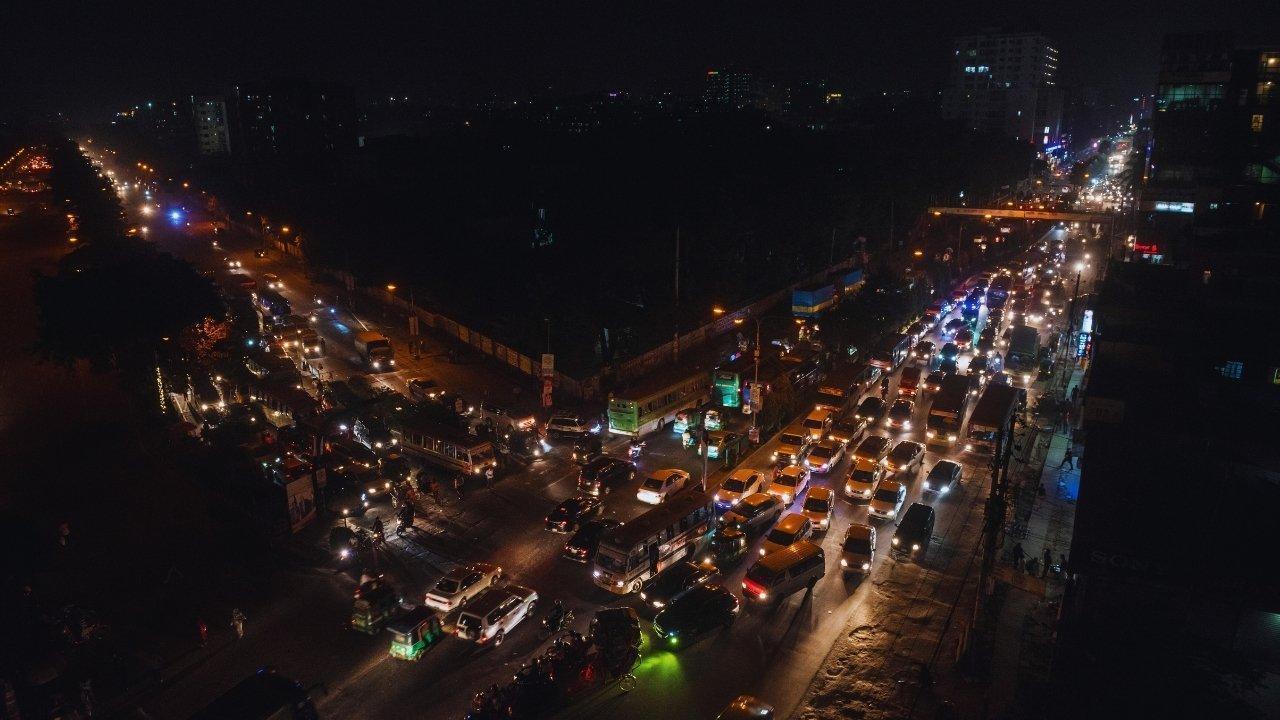
Dhaka, one of the fastest-growing megacities in Asia, has earned a reputation for extreme traffic congestion. With a population surpassing 22 million in the metropolitan area, the city’s roads are under constant strain. Daily commutes are often measured in hours rather than minutes, impacting productivity, economic activity, and quality of life. As urbanization accelerates, the question arises: can Dhaka find effective solutions to its traffic gridlock?
Dhaka’s population has grown exponentially over the past few decades. Migrants from rural areas flock to the city for better employment and educational opportunities. The sudden surge in vehicles on the roads far outpaces infrastructure expansion, creating chronic bottlenecks.
The city’s public transport system struggles to meet demand. While buses dominate, they are often overcrowded, unreliable, and inefficient. The nascent metro rail system offers hope but is still limited in coverage. The lack of coordinated transport planning forces many residents to rely on private cars and motorcycles, worsening congestion.
Traffic signals, road layouts, and enforcement measures are often outdated or inconsistently applied. Illegal parking, narrow roads, and unregulated intersections contribute to the chaotic flow. Traffic police are limited in number and resources, making enforcement a significant challenge.
The rising middle class and affordability of motorcycles and cars have led to an unprecedented increase in personal vehicles. Between 2015 and 2025, vehicle registrations in Dhaka doubled, creating a gap between road capacity and demand.
Commuters spend hours stuck in traffic, reducing effective work hours and increasing stress. Estimates suggest that traffic congestion costs Dhaka billions of dollars annually in lost productivity.
Idling vehicles contribute to severe air pollution, worsening respiratory health problems and contributing to climate change. Noise pollution also rises in tandem with gridlock, affecting mental well-being.
Gridlock disproportionately affects lower-income residents who rely on public transport. While wealthier individuals may afford private vehicles or ride-sharing services, the urban poor face longer commutes, reduced access to opportunities, and increased transportation costs.
Dhaka is gradually implementing metro rail lines to offer efficient alternatives to road-based transport. These projects aim to connect key residential and commercial zones, reduce vehicle dependence, and improve commuter experience.
BRT corridors are being developed to provide high-capacity, reliable bus services with dedicated lanes. These initiatives aim to shift commuters from private vehicles to public transport.
Some traffic intersections have started using adaptive traffic lights and GPS monitoring to optimize flow. Though limited in scale, these efforts demonstrate the potential of technology to ease congestion.
New flyovers, expressways, and bridges are under construction to improve connectivity. The goal is to divert traffic from inner-city roads and provide faster alternatives for long-distance commuting.
Dhaka’s ambitious infrastructure projects require substantial funding. Budgetary limitations often delay construction, resulting in incomplete networks and prolonged congestion issues.
Urban expansion and road widening projects face hurdles due to densely populated areas, legal disputes, and relocation challenges. Land acquisition delays slow down critical transportation projects.
Multiple government bodies oversee Dhaka’s transport planning, but coordination remains inconsistent. Without unified strategies, projects risk duplication or misalignment, reducing effectiveness.
Driver behavior, informal traffic norms, and resistance to public transport adoption hinder progress. Educating the public and enforcing regulations remain essential yet challenging components of any solution.
Creating a unified system that combines metro, BRT, buses, and ferries could dramatically reduce reliance on private vehicles. Seamless ticketing, scheduling, and connectivity would enhance usability and attract commuters.
Smart traffic management, real-time monitoring, and predictive analytics can optimize flows. Mobile apps providing congestion alerts and alternative routes can empower commuters to avoid bottlenecks.
Encouraging cycling, walking, and shared mobility can reduce the number of private vehicles on the road. Dedicated bike lanes, pedestrian-friendly infrastructure, and last-mile connectivity are key elements.
Congestion pricing, vehicle quotas, and parking regulations can help manage demand. Incentives for using public transport, carpooling, and electric vehicles can support a sustainable traffic ecosystem.
Behavioral change campaigns to promote adherence to traffic rules, responsible driving, and respect for public transport can gradually improve road discipline and overall traffic conditions.
Dhaka can learn from global examples:
Singapore: Efficient public transport, electronic road pricing, and disciplined traffic behavior have reduced congestion.
Bangkok: Lessons in metro and BRT integration could guide Dhaka’s transport expansion.
Jakarta: Multi-modal strategies, including river transport, highlight the value of alternative routes in megacities.
Adapting these lessons to Dhaka’s unique socio-economic and geographic context is essential for practical and sustainable solutions.
Dhaka’s traffic gridlock cannot be solved overnight. Success requires a combination of infrastructure development, technology adoption, policy measures, and behavioral change. Public-private partnerships, sustained funding, and citizen engagement will be key to building a more livable, mobile, and productive city.
While challenges are significant, Dhaka’s ongoing initiatives—metro lines, BRT corridors, flyovers, and smart traffic systems—represent tangible progress. The ultimate goal is a city where mobility is efficient, sustainable, and accessible to all residents, ensuring economic growth and improved quality of life.
This article provides an overview of traffic issues and potential solutions in Dhaka. It is for informational purposes only and does not constitute official urban planning guidance. Readers should consult local government sources for detailed policy and infrastructure updates.







George Russell Wins Dutch GP Sprint, Boosts Mercedes Morale
George Russell wins the Dutch GP Sprint from pole as Mercedes teammate Kimi Antonelli extends his F1

Australia 50/3 After Bangladesh Bowled Out for 64 in Second Test
Australia reached 50/3 after Bangladesh were bowled out for 64 in the second Test, with Mitchell Sta

Jordan Burroughs Returns to Wrestling with 2028 Olympic Dream
Jordan Burroughs returns to wrestling with Real American Freestyle as the Olympic champion eyes a po

Lamborghini Catches Fire on Singapore's ECP, Causing Heavy Traffic
A Lamborghini caught fire on Singapore's ECP, causing heavy traffic and bus delays. No injuries were

Bangkok Airport Duty-Free Area Flooded by Pipe Burst
A burst water pipe flooded the duty-free shopping area at Bangkok's Suvarnabhumi Airport on July 16,
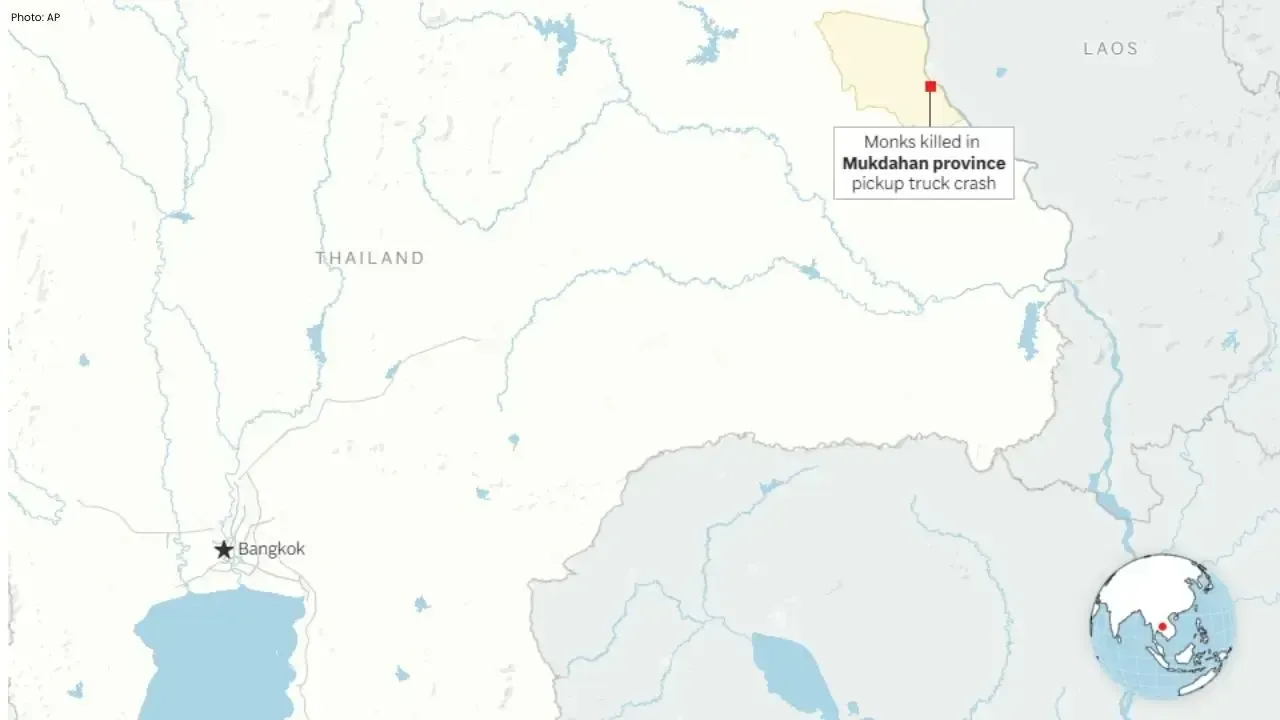
Nine Monks Killed in Thailand Pickup Truck Tragedy
An 11-year-old boy driving a pickup truck crashed into monks during a pilgrimage in northeastern Tha