You have not yet added any article to your bookmarks!
Join 10k+ people to get notified about new posts, news and tips.
Do not worry we don't spam!
Post by : Anis Farhan
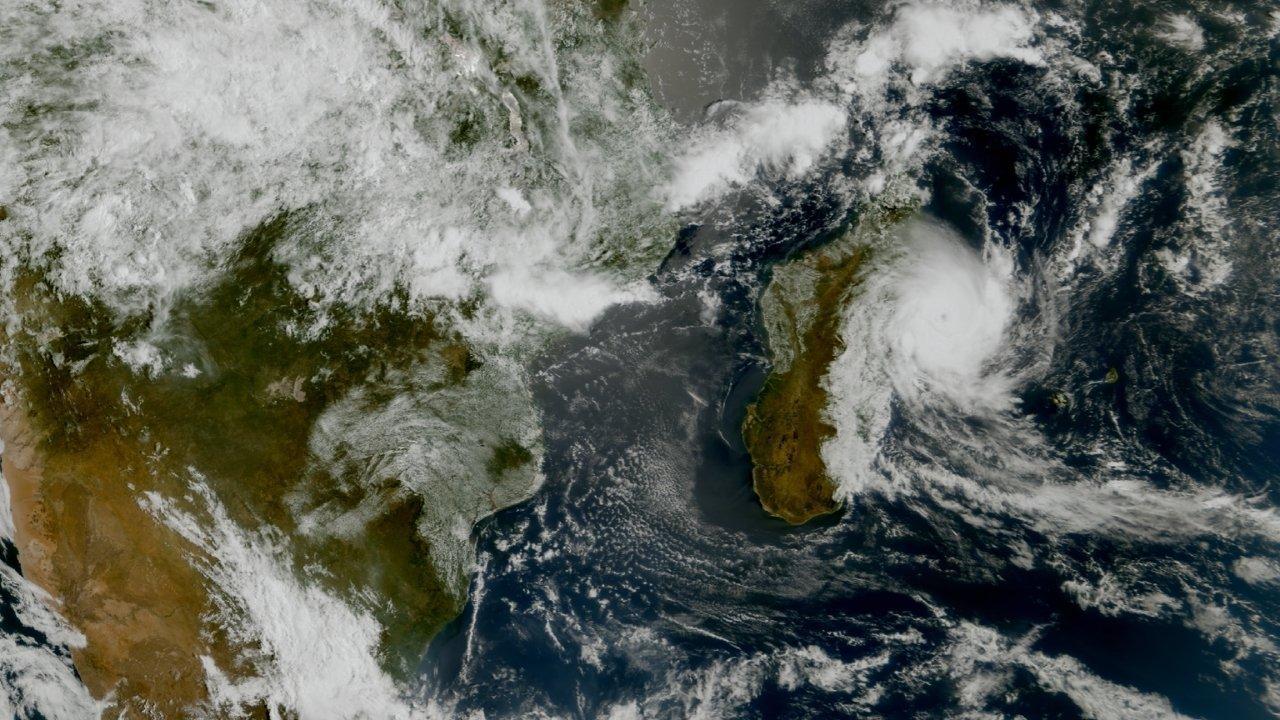
Madagascar is grappling with a profound humanitarian crisis after Tropical Cyclone Gezani struck the Indian Ocean island nation with devastating force on 10 February 2026. The powerful storm made landfall in the port city of Toamasina, bringing sustained winds of more than 195 km/h (121 mph) and heavy rainfall that has left a trail of destruction across eastern and central regions. Authorities and disaster management officials have confirmed that at least 31 people lost their lives, dozens more have been seriously injured, and thousands of residents have been displaced as urgent relief efforts get underway.
The cyclone’s impact has reignited concerns about the vulnerability of coastal and low-lying communities to increasingly intense tropical storms in the Southwest Indian Ocean region. Madagascar experiences seasonal cyclones most years, but Gezani’s strength, rapid intensification and subsequent movement have made it one of the most destructive systems to affect the nation in recent memory.
Cyclone Gezani made landfall near Toamasina, Madagascar’s second-largest city with a population of around 300,000, late on Tuesday, February 10. As the system approached the coast, national weather authorities issued red alerts for flooding and landslides in multiple regions, urging residents to take shelter and prepare for severe conditions.
Once it hit land, the cyclone’s wind speeds — exceeding 195 km/h — caused widespread destruction. Buildings collapsed under pressure, roofs were blown off, trees and power poles were uprooted, and entire neighbourhoods were inundated by heavy rain. The National Office for Risk and Disaster Management said that many of the deaths occurred when structures failed under the force of the wind and rain.
Officials also reported that at least 36 others were seriously injured, and four people remain missing as search and rescue teams continue their efforts. Tens of thousands more have lost their homes or been forced to evacuate in the face of rising floodwaters.
The official death toll stands at 31, with the majority of fatalities reported in Toamasina and surrounding districts. The devastating wind and rain have torn apart homes, leaving hundreds of families without shelter. Since the storm struck, more than 6,800 people have been reported displaced, with many seeking refuge in temporary shelters and community centres set up by authorities and humanitarian groups.
The scale of displacement highlights the cyclone’s broad impact beyond fatalities and injuries. Entire communities have been disrupted, with basic services such as electricity, clean water and transportation severely affected in many areas. Toamasina and other impacted regions have experienced prolonged power outages, making relief and recovery efforts more challenging.
Residents who survived the storm described scenes of near-total devastation in many districts. Reports and eyewitness accounts paint a striking picture of chaos: metal-framed doors and windows shaking violently under the force of the wind, roofs torn completely away from homes, and once-intact buildings reduced to rubble in minutes.
“I have never experienced winds this violent ... The doors and windows are made of metal, but they are being violently shaken,” one resident told news services, capturing the near-unprecedented ferocity of the storm.
Large stretches of infrastructure in Toamasina — including schools, government buildings and private homes — were damaged or destroyed. Roads were flooded, bridges impassable, and communication lines were severed, cutting off many communities from rapid assistance in the aftermath.
In the immediate aftermath, the National Bureau for Risk and Disaster Management (BNGRC) and other government agencies began coordinating emergency response operations, including evacuations, damage assessments and delivery of essential supplies. Officials have been moving to clear debris, repair critical infrastructure and mobilise medical teams to care for the injured.
President Michael Randrianirina, who assumed office following a military coup in October 2025, visited the hardest-hit areas to survey the destruction and meet with affected families. Government officials have pledged support for long-term recovery, which is expected to be costly and complex given the widespread damage to homes and public services.
International humanitarian organisations are also providing support, with emergency funding and coordination efforts underway to assist in shelter, food, medical and water-security needs for affected communities. Early contributions from the United Nations and global partners aim to bolster local capacities while longer-term relief programmes are developed.
While the immediate impact of Cyclone Gezani is now being addressed, secondary risks remain significant. Officials have warned that flooding, flash floods and landslides are likely as rainwater runoff continues and river systems overflow. These natural hazards pose ongoing threats to areas already destabilised by the cyclone’s winds and rainfall.
Health concerns are also prominent. In the wake of widespread flooding, water-borne diseases and sanitation challenges could emerge if safe drinking water and adequate hygiene conditions are not restored promptly. Humanitarian agencies are monitoring these risks closely to prevent secondary public health crises among displaced populations.
Gezani’s arrival follows another deadly tropical cyclone — Cyclone Fytia — which struck northwestern Madagascar less than two weeks earlier, killing at least 14 people and displacing tens of thousands. The rapid succession of powerful storms has compounded pressures on communities still recovering from prior damage.
The Southwest Indian Ocean cyclone season typically runs from November through March, and Madagascar’s geography makes it especially vulnerable to storms that develop over the warm ocean waters. Many coastal and inland communities lack strong, storm-resistant infrastructure, magnifying the effects of high winds and heavy rains when cyclones strike.
Beyond the immediate human toll, Cyclone Gezani’s impact extends to economic and social structures. Destruction of homes, businesses, crops and infrastructure will likely set back local economies that are already fragile, particularly in rural and coastal regions where livelihoods depend heavily on agriculture and fishing. Rehabilitation efforts may require years of effort and significant financial investment.
Local authorities have begun preliminary assessments of the estimated costs for rebuilding roads, schools and hospitals damaged by the cyclone. The broader economic disruptions include loss of income for families whose homes and workplaces were destroyed, and the increased burden on public resources to support displaced populations.
Scientists and meteorologists have increasingly noted that climate change may be influencing the intensity and frequency of tropical storms in the Indian Ocean basin. Warmer ocean surface temperatures can provide more energy for cyclone development, potentially leading to stronger winds and heavier rainfall when storms make landfall. Although attributing any single storm to global warming requires careful scientific analysis, the broader trend toward intense cyclones is a growing concern for countries like Madagascar.
Researchers warn that nations in the Southwest Indian Ocean region must invest in resilient infrastructure, early warning systems and community preparedness measures to mitigate the effects of future storms. Strengthening building codes and expanding disaster risk reduction strategies are seen as key components of reducing long-term vulnerability.
Tropical Cyclone Gezani’s impact on Madagascar has been both devastating and sobering. The confirmed loss of at least 31 lives, extensive physical destruction, and widespread displacement illustrate the immense challenges posed by severe weather events in vulnerable regions. As communities begin the long process of recovery, the resilience of the Malagasy people and the support of national and international partners will be critical in rebuilding not just infrastructure, but lives and livelihoods.
Although the immediate crisis is being addressed, Madagascar now faces the daunting tasks of reconstruction and resilience building — essential steps if future cyclones are to have less catastrophic effects on a nation already accustomed to weathering nature’s fiercest storms.
This article is based on verified reporting and available information on Tropical Cyclone Gezani’s impact. Details and figures are subject to updates as official assessments continue.







George Russell Wins Dutch GP Sprint, Boosts Mercedes Morale
George Russell wins the Dutch GP Sprint from pole as Mercedes teammate Kimi Antonelli extends his F1

Australia 50/3 After Bangladesh Bowled Out for 64 in Second Test
Australia reached 50/3 after Bangladesh were bowled out for 64 in the second Test, with Mitchell Sta

Jordan Burroughs Returns to Wrestling with 2028 Olympic Dream
Jordan Burroughs returns to wrestling with Real American Freestyle as the Olympic champion eyes a po

Lamborghini Catches Fire on Singapore's ECP, Causing Heavy Traffic
A Lamborghini caught fire on Singapore's ECP, causing heavy traffic and bus delays. No injuries were

Bangkok Airport Duty-Free Area Flooded by Pipe Burst
A burst water pipe flooded the duty-free shopping area at Bangkok's Suvarnabhumi Airport on July 16,

Nine Monks Killed in Thailand Pickup Truck Tragedy
An 11-year-old boy driving a pickup truck crashed into monks during a pilgrimage in northeastern Tha