
You have not yet added any article to your bookmarks!
Join 10k+ people to get notified about new posts, news and tips.
Do not worry we don't spam!
Post by : Saif Rahman
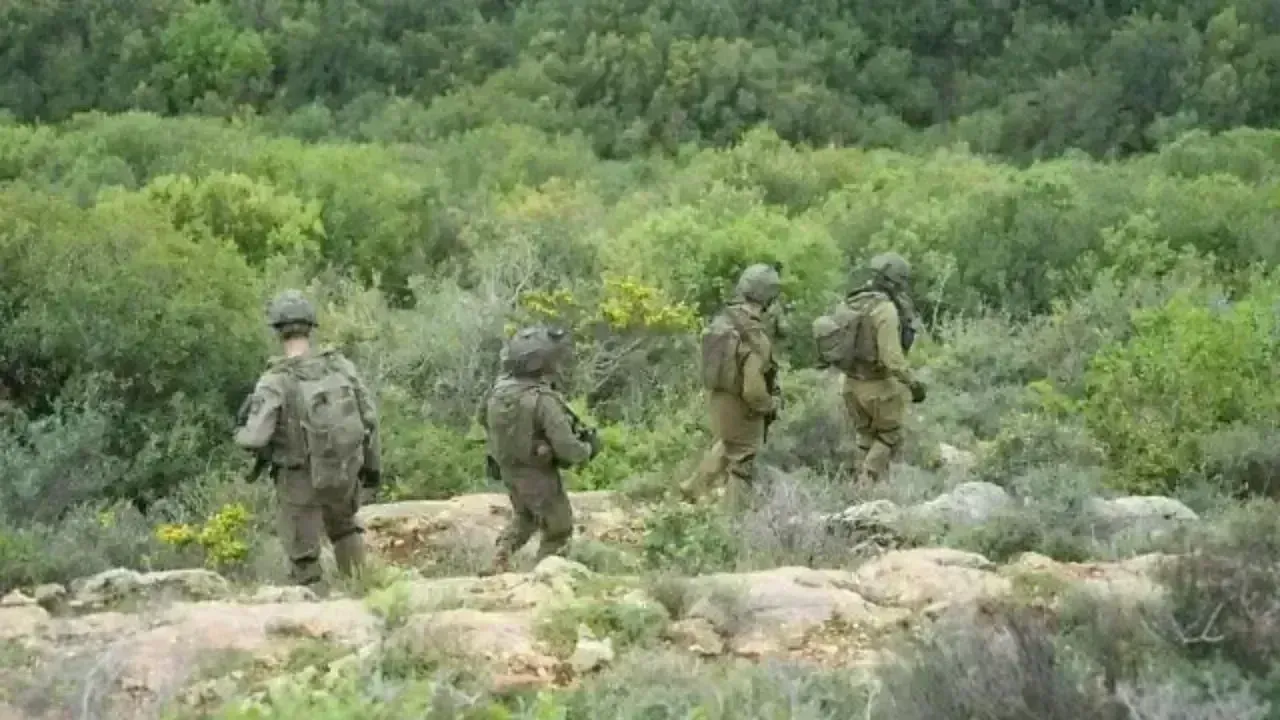
The Israel Defense Forces have firmly stated that there is no ceasefire in southern Lebanon, where clashes with Hezbollah persist. This declaration underscores the escalating tensions in the area, emphasizing that a peaceful resolution remains elusive.
Conflict between Israeli forces and Hezbollah has been a protracted issue. The latest confirmation from the military highlights that active operations continue and no truce has been established, raising concerns over potential intensification in the region.
This sensitive territory, adjacent to the Israeli border, has historically been a hotspot. Hezbollah, a powerful group based in Lebanon, has a significant presence here and is frequently involved in altercations with Israeli forces, which have led to recurrent hostilities over the years.
The lack of a ceasefire implies ongoing military engagements, including airstrikes, rocket attacks, and ground offensives. Such actions pose increased risks to infrastructure and threaten the safety of civilians residing in the vicinity.
Residents in southern Lebanon face extreme hardships as families navigate uncertainty, fear, and disruption to everyday routines. The impacts of conflict extend to schools, businesses, and essential public services.
The international community is also alarmed by the sustained fighting. Numerous countries and global organizations have urged for peace and moderation, fearing that the violence could extend to other regions if not managed properly.
Neighboring countries and the broader Middle East are affected as well. Amplified tensions can destabilize the region, impacting trade, travel, and overall security. Such developments often provoke reactions in global markets, particularly the energy sector.
Diplomatic interventions are typically sought during these conflicts to ease tensions and seek peaceful resolutions. Nevertheless, reaching a ceasefire proves challenging when both factions remain entrenched in their positions and security apprehensions.
The Israel Defense Forces' statement reflects their belief that military operations are necessary, while Hezbollah persists in its actions, complicating the prospects for a truce.
Long-term conflicts yield enduring ramifications. Even after hostilities cease, the process of rebuilding and reestablishing normalcy can be lengthy, and the human toll is noticeably high.
This situation accentuates the necessity for dialogue and peaceful solutions. Military actions may prevail in the short run, but establishing lasting stability will hinge on negotiated agreements and mutual understanding between the involved parties.
With no ceasefire in sight, the upcoming days remain fraught with uncertainty. The global community watches intently, with hopes for decreased violence and a progression toward peace in the region.










PM Modi Pays Tribute to Mahatma Gandhi, Urges People to Support Khadi
PM Modi pays tribute to Mahatma Gandhi on Gandhi Jayanti and urges citizens to support Khadi and the

Amazon Seeks to Offload $8 Billion in Nvidia Chips to Investors
Amazon plans to move $8 billion in Nvidia chips to investors, using a new financing model to strengt

Samsung Raises Galaxy S26 Prices as Memory Chip Costs Rise
Samsung raises Galaxy S26 prices in South Korea as rising memory chip costs put pressure on smartpho

Lewis Hamilton Calls Singapore Grand Prix One of F1's Toughest Races
Lewis Hamilton discusses the demanding Singapore Grand Prix and brings Plus44 and Almave to Singapor

Denmark's Pandora Opens World's Largest Jewellery Factory in Vietnam
Pandora opens its largest jewellery factory in Vietnam, expanding global production, strengthening s

Gautam Gambhir Questions Batting-Friendly Pitches After India's Record ODI Chase
Gautam Gambhir questions batting-friendly ODI pitches after India’s record chase, calling for a bett

