
You have not yet added any article to your bookmarks!
Join 10k+ people to get notified about new posts, news and tips.
Do not worry we don't spam!
Post by : Shweta
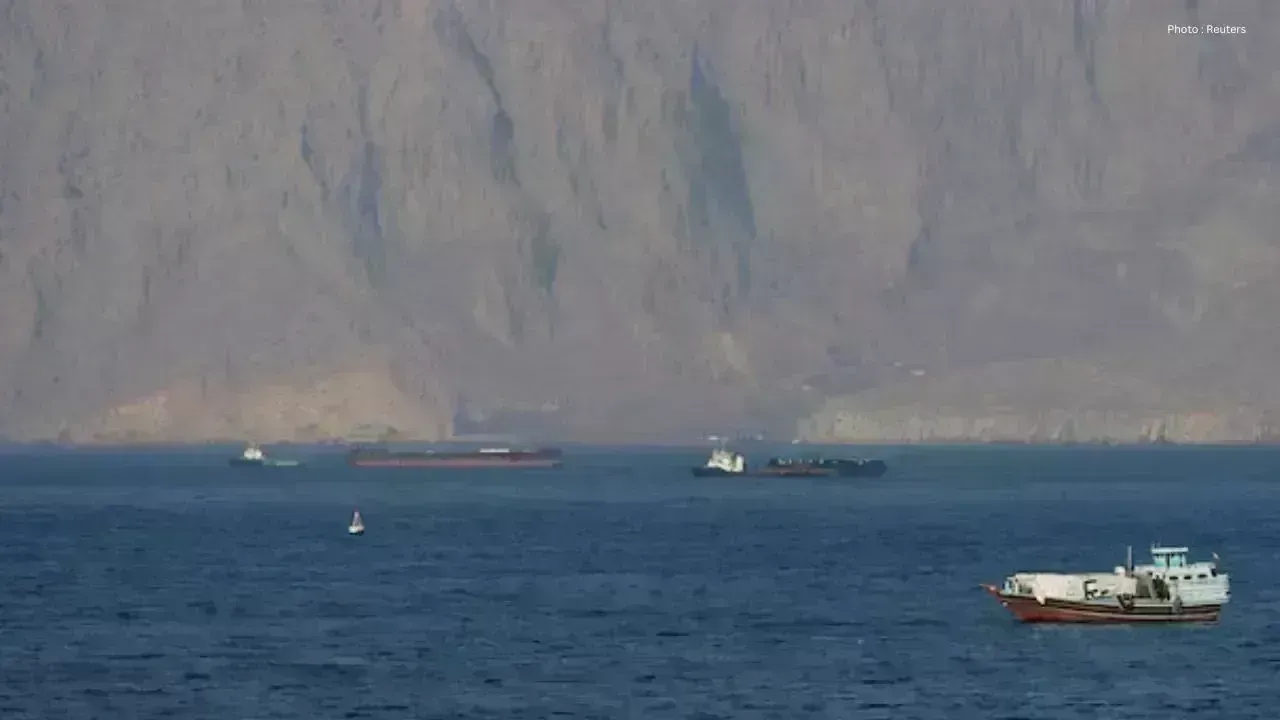
The ongoing closure of the Strait of Hormuz is triggering significant anxiety regarding global energy supplies, particularly due to escalating tensions among the United States, Israel, and Iran. This vital shipping lane, responsible for transporting nearly 20% of the world’s oil and refined fuel, remains shut despite earlier predictions of a swift resolution.
As the conflict erupted in late February, many market observers anticipated a brief interruption. This optimism was partly fueled by statements from Donald Trump indicating a quick return to normalcy. However, the situation has evolved quite differently, with the strait still effectively blocked.
Recent market fluctuations highlight the precariousness of the situation. Oil prices initially dipped following reports of a reopening, but surged once it became apparent that vessels were still unable to navigate safely through the strait. This instability underscores increasing skepticism regarding the timeline for restoring regular operations.
The closure is closely associated with ongoing military hostilities. While the United States has enforced a naval blockade of Iranian ports, Iranian forces have also implemented measures to hinder movement within the strait. This has fostered an environment where neither party is prepared to fully reopen the route without significant political or military changes.
The consequences of this disruption are being felt most acutely in Asia, where around 80% of oil transported through the strait is typically delivered. Nations heavily dependent on energy imports are now experiencing supply strain, escalating costs, and uncertainty regarding future availability.
Energy analysts caution that prolonged closure could spiral into a more severe crisis. Although financial markets have maintained an optimistic outlook, tighter physical supply chains are already evident. The longer the disruptions continue, the more strain will be placed on global energy systems.
There are also significant worries about trust and governance. Doubts linger over the willingness of the involved nations to engage in negotiations and whether any agreement to reopen the strait would be upheld. Without clear collaboration, the chance of further escalations remains substantial.
In summary, hopes for a rapid reopening of the Strait of Hormuz are fading as ongoing developments suggest a protracted situation may be on the horizon. This persistent uncertainty is poised to keep global oil markets under strain in the weeks ahead.










PM Modi Pays Tribute to Mahatma Gandhi, Urges People to Support Khadi
PM Modi pays tribute to Mahatma Gandhi on Gandhi Jayanti and urges citizens to support Khadi and the

Amazon Seeks to Offload $8 Billion in Nvidia Chips to Investors
Amazon plans to move $8 billion in Nvidia chips to investors, using a new financing model to strengt

Samsung Raises Galaxy S26 Prices as Memory Chip Costs Rise
Samsung raises Galaxy S26 prices in South Korea as rising memory chip costs put pressure on smartpho

Lewis Hamilton Calls Singapore Grand Prix One of F1's Toughest Races
Lewis Hamilton discusses the demanding Singapore Grand Prix and brings Plus44 and Almave to Singapor

Denmark's Pandora Opens World's Largest Jewellery Factory in Vietnam
Pandora opens its largest jewellery factory in Vietnam, expanding global production, strengthening s

Gautam Gambhir Questions Batting-Friendly Pitches After India's Record ODI Chase
Gautam Gambhir questions batting-friendly ODI pitches after India’s record chase, calling for a bett

