You have not yet added any article to your bookmarks!
Join 10k+ people to get notified about new posts, news and tips.
Do not worry we don't spam!
Post by : Anis Farhan
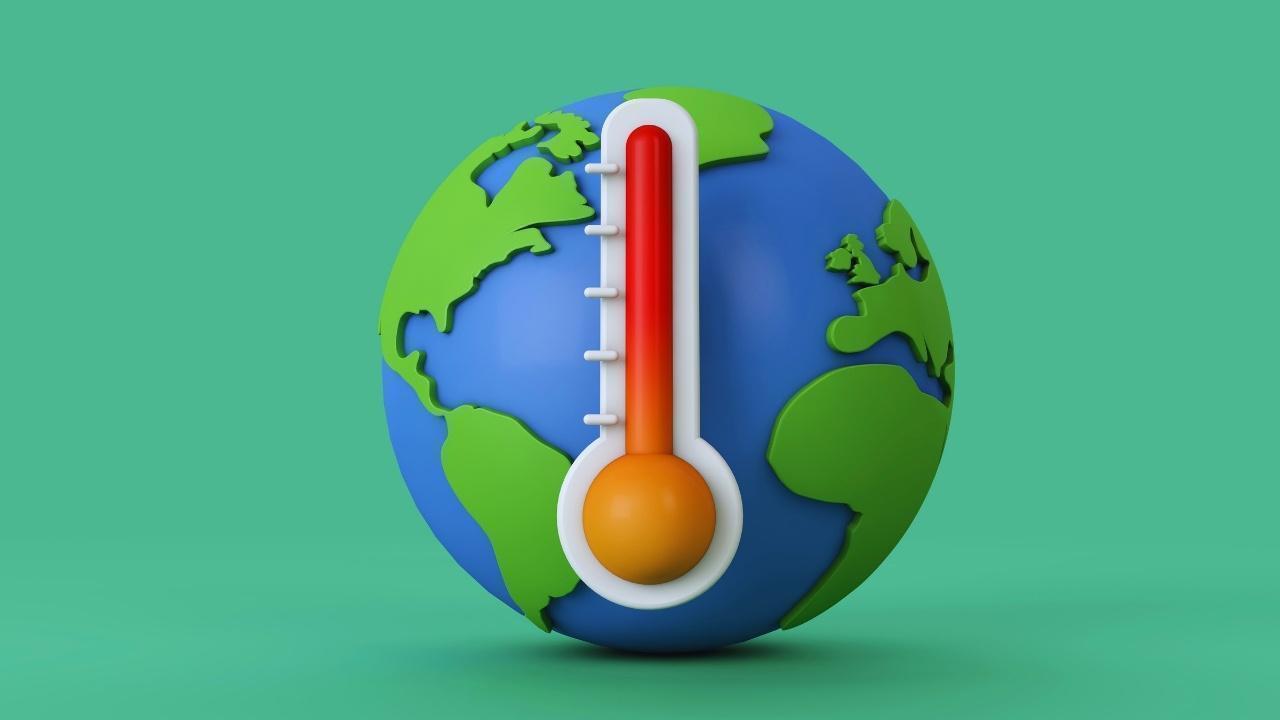
In October 2025, scientists confirmed that the Earth’s average temperature had risen by approximately 1.3°C compared to pre-industrial times. This marks a historic and worrying milestone in the ongoing climate crisis. The majority of this warming — over two-thirds — has occurred since 1975, illustrating how rapidly human activity has altered the planet’s natural climate systems.
The past decade alone has witnessed unprecedented changes in weather patterns, sea levels, and ecosystem health. These shifts are not isolated; they are interconnected, reinforcing the sense that the Earth is approaching critical tipping points.
A major driver of this warming trend is the dramatic increase in greenhouse gas concentrations, especially carbon dioxide. CO₂ levels have reached record highs, with annual increases unmatched since modern monitoring began in the late 1950s. Fossil fuel combustion, industrial activity, and widespread wildfires contribute to these alarming trends.
Methane, nitrous oxide, and other greenhouse gases further exacerbate the situation. Their accumulation traps heat in the atmosphere, intensifying global warming and accelerating changes in weather patterns, ocean temperatures, and ice coverage.
The scientific consensus is clear: if these emissions continue unchecked, global temperatures could rise well beyond the thresholds considered safe for human societies and ecosystems.
Among the most vulnerable ecosystems are coral reefs. Rising ocean temperatures and increased acidification have triggered widespread bleaching events, where corals lose their symbiotic algae and turn ghostly white. Mortality rates among warm-water coral reefs have reached alarming levels, with roughly 80% now in critical condition.
The loss of coral reefs has far-reaching consequences. These ecosystems are not only biodiversity hotspots but also natural barriers protecting coastlines from erosion and storm surges. Their decline threatens millions of people who rely on fisheries for sustenance and livelihoods.
Marine species beyond coral are also affected. Rising temperatures disrupt migration patterns, breeding cycles, and food availability. The cascading effects ripple through entire ocean ecosystems, jeopardizing global food security and economic stability.
Global warming has a direct impact on extreme weather events. Since the signing of the Paris Agreement in 2015, the planet has already seen an increase of approximately ten additional “hot days” per year in more than a hundred countries. In some regions, the number of extra hot days exceeds thirty annually.
Heatwaves, wildfires, droughts, and intense storms are becoming more frequent and severe. Urban centers, where heat islands amplify rising temperatures, face life-threatening conditions during prolonged heat events. Agriculture suffers as crop yields decline, and water scarcity intensifies, particularly in already vulnerable regions.
These phenomena illustrate that climate change is not a distant future threat — it is a pressing, present-day reality affecting billions of people worldwide.
The cryosphere, encompassing glaciers and polar ice caps, is experiencing dramatic transformations. Glaciers in the Himalayas, Andes, and Alps are retreating at unprecedented rates. Arctic sea ice has decreased in both extent and thickness, while Greenland and Antarctic ice sheets continue to lose mass, contributing to rising sea levels.
Sea-level rise poses a significant threat to coastal communities. Low-lying regions face increased flooding, saltwater intrusion, and habitat loss. Island nations, already struggling with limited landmass, face existential risks if the current warming trends continue unabated.
Melting ice also alters ocean circulation patterns, which can disrupt weather systems and further destabilize regional climates. The consequences are complex and multifaceted, underscoring the interconnectedness of Earth’s systems.
Rising temperatures and altered weather patterns are placing immense stress on terrestrial ecosystems. Forests, grasslands, and wetlands are experiencing shifts in species composition, phenology, and habitat ranges. Some species are migrating to higher altitudes or latitudes, while others face extinction due to their inability to adapt quickly enough.
Biodiversity loss diminishes ecosystem resilience, weakening nature’s ability to provide essential services such as pollination, nutrient cycling, and carbon sequestration. The cascading effects threaten human health, food security, and economic stability globally.
In many parts of the world, the combination of habitat loss, pollution, and climate change creates compounded pressures, driving ecological collapse at rates unprecedented in human history.
The impacts of climate change extend far beyond the natural environment. Human societies face immediate risks from heatwaves, floods, storms, and food insecurity. Vulnerable populations, particularly in developing countries, are disproportionately affected, highlighting existing social and economic inequalities.
Rising temperatures increase the prevalence of heat-related illnesses and exacerbate respiratory and cardiovascular conditions. Water scarcity and crop failures contribute to malnutrition, while extreme weather events force migration and displacement, straining resources and infrastructure.
Urban planning, healthcare systems, and disaster preparedness all face heightened challenges in a warming world. Without urgent mitigation and adaptation measures, these risks will continue to grow, affecting millions of lives.
Efforts to curb greenhouse gas emissions have intensified in recent years, with international agreements like the Paris Accord providing frameworks for action. Many countries are transitioning to renewable energy, implementing carbon pricing, and investing in sustainable infrastructure.
Despite these efforts, global emissions remain high, and the window for limiting warming to 1.5°C is rapidly closing. Experts emphasize that urgent, coordinated, and large-scale interventions are required to avoid catastrophic consequences.
Strategies include reforestation, energy efficiency, clean energy adoption, and technological innovations such as carbon capture. Additionally, strengthening climate resilience through adaptation measures in vulnerable regions is essential to reduce human and ecological risks.
Public awareness of the climate crisis has grown significantly, driven by scientific reports, media coverage, and advocacy movements. Youth-led campaigns, international climate strikes, and environmental NGOs have highlighted the need for immediate action.
Behavioral changes, such as reducing energy consumption, adopting sustainable diets, and supporting clean transportation, can contribute to emission reductions. Individual actions, while important, must be complemented by systemic policy shifts at national and global levels.
Education and engagement play a crucial role in fostering a culture of climate responsibility, ensuring that both current and future generations are equipped to address these unprecedented challenges.
The current global temperature increase of 1.3°C is a warning signal that the planet is entering uncharted territory. Tipping points in ice sheet stability, ocean currents, and ecosystems could trigger irreversible changes if decisive action is not taken.
However, the growing momentum of renewable energy, technological innovation, and climate policy offers hope. Collaborative global efforts can slow warming, protect ecosystems, and build resilient societies. The choices made today will determine the quality of life and environmental stability for generations to come.
This moment represents both a challenge and an opportunity: humanity has the knowledge and resources to act, but the urgency cannot be overstated. Every fraction of a degree matters, and every policy decision has long-term consequences for the planet.
This article summarizes scientific research, climate observations, and reports on global temperature rise. It aims to provide an accurate and comprehensive overview of the current state of the climate crisis without presenting confidential or unpublished data.









George Russell Wins Dutch GP Sprint, Boosts Mercedes Morale
George Russell wins the Dutch GP Sprint from pole as Mercedes teammate Kimi Antonelli extends his F1

Australia 50/3 After Bangladesh Bowled Out for 64 in Second Test
Australia reached 50/3 after Bangladesh were bowled out for 64 in the second Test, with Mitchell Sta

Jordan Burroughs Returns to Wrestling with 2028 Olympic Dream
Jordan Burroughs returns to wrestling with Real American Freestyle as the Olympic champion eyes a po

Lamborghini Catches Fire on Singapore's ECP, Causing Heavy Traffic
A Lamborghini caught fire on Singapore's ECP, causing heavy traffic and bus delays. No injuries were

Bangkok Airport Duty-Free Area Flooded by Pipe Burst
A burst water pipe flooded the duty-free shopping area at Bangkok's Suvarnabhumi Airport on July 16,
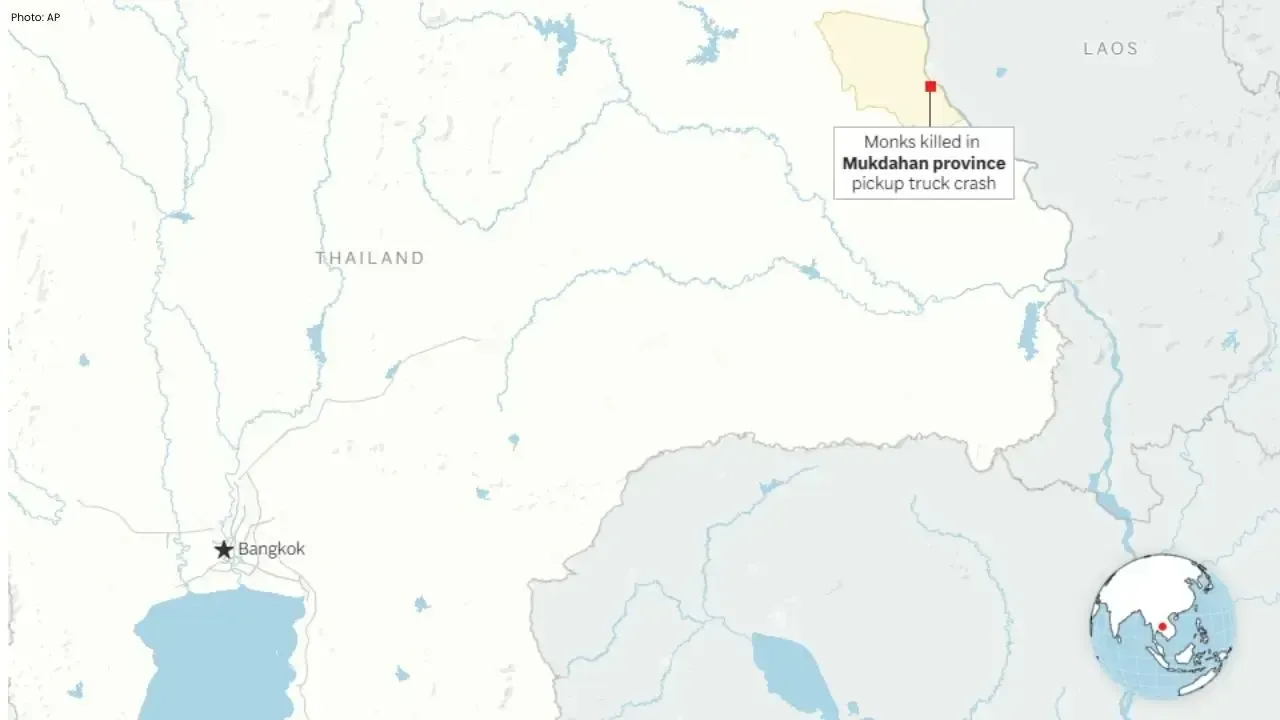
Nine Monks Killed in Thailand Pickup Truck Tragedy
An 11-year-old boy driving a pickup truck crashed into monks during a pilgrimage in northeastern Tha