
You have not yet added any article to your bookmarks!
Join 10k+ people to get notified about new posts, news and tips.
Do not worry we don't spam!
Post by : Badri Ariffin
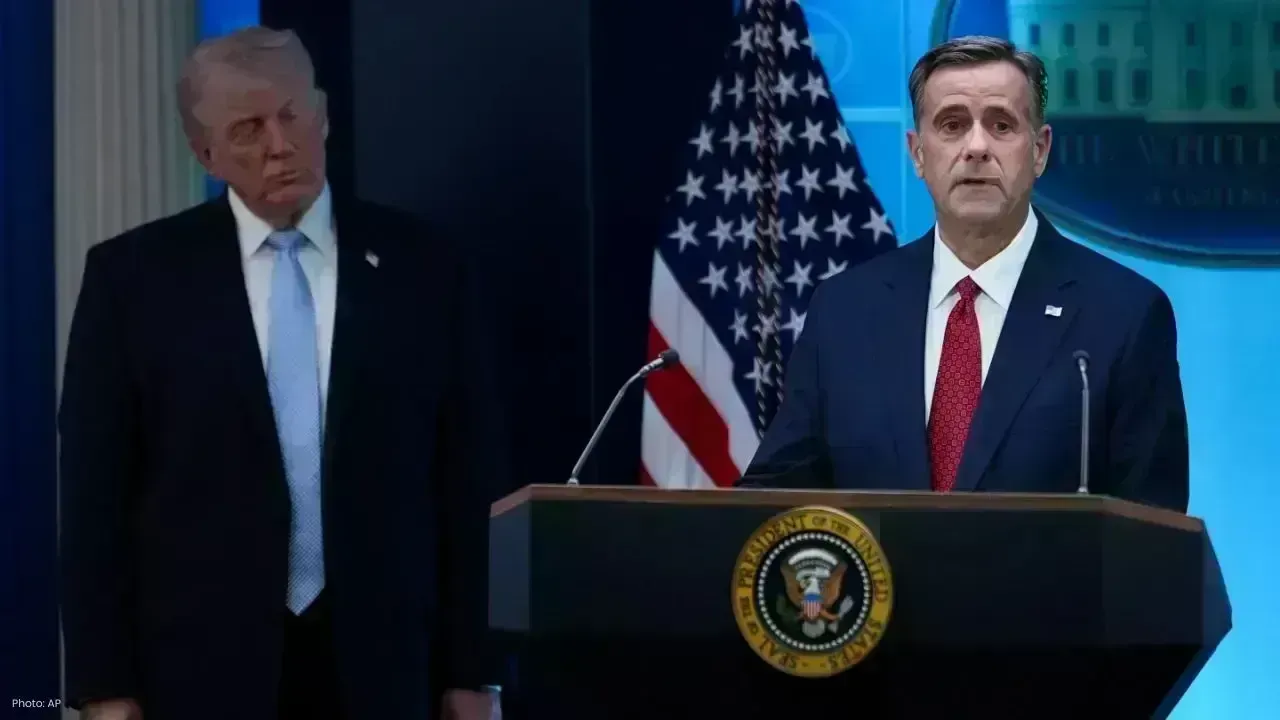
CIA Director John Ratcliffe engaged in critical discussions with Cuban officials in Havana on Thursday, as confirmed by representatives from both nations. The agenda comprised intelligence collaboration, security dilemmas, and economic stability, all within the context of escalating tensions between the U.S. and Cuba.
During his visit, Ratcliffe met prominent figures including Raúl Guillermo Rodríguez Castro, grandson of former Cuban leader Raúl Castro, along with Cuban Interior Minister Lázaro Álvarez Casas and top intelligence personnel.
A CIA spokesperson indicated that Ratcliffe conveyed a significant message from U.S. President Donald Trump, suggesting that the United States is ready to engage in serious dialogue with Cuba regarding economic and security matters, contingent upon substantial changes from the Cuban government.
U.S. officials emphasized that Cuba must not act as a "safe haven for adversaries in the Western Hemisphere." Conversely, Cuban representatives asserted that the island does not pose a threat to U.S. security and voiced concerns over Cuba's designation as a state sponsor of terrorism.
The Cuban government acknowledged the meeting, describing it as occurring amidst "complex bilateral relations" between Havana and Washington.
Rodríguez Castro previously met U.S. Secretary of State Marco Rubio earlier this year during a Caribbean summit in St. Kitts. Despite not holding an official government role, he served as Raúl Castro’s bodyguard and later directed Cuba’s equivalent of the Secret Service.
These talks follow earlier meetings between U.S. and Cuban officials this year and signal the resumption of U.S. government flights landing in Cuba outside of the Guantanamo Bay Naval Base for the first time since 2016.
This meeting occurs amidst a profound energy crisis in Cuba, with widespread power outages particularly affecting eastern provinces, exacerbating the nation’s economic challenges and impacting everyday life. Cuban government officials have attributed these fuel shortages to the U.S. energy blockade.
Earlier this week, the U.S. State Department announced its readiness to provide $100 million in humanitarian aid and satellite internet support to Cuba, provided the Cuban government permits it.
In January, President Trump warned potential tariffs on countries supplying oil to Cuba. While Trump had earlier threatened military interventions, reports indicate no immediate military action is currently contemplated.










PM Modi Pays Tribute to Mahatma Gandhi, Urges People to Support Khadi
PM Modi pays tribute to Mahatma Gandhi on Gandhi Jayanti and urges citizens to support Khadi and the

Amazon Seeks to Offload $8 Billion in Nvidia Chips to Investors
Amazon plans to move $8 billion in Nvidia chips to investors, using a new financing model to strengt

Samsung Raises Galaxy S26 Prices as Memory Chip Costs Rise
Samsung raises Galaxy S26 prices in South Korea as rising memory chip costs put pressure on smartpho

Lewis Hamilton Calls Singapore Grand Prix One of F1's Toughest Races
Lewis Hamilton discusses the demanding Singapore Grand Prix and brings Plus44 and Almave to Singapor

Denmark's Pandora Opens World's Largest Jewellery Factory in Vietnam
Pandora opens its largest jewellery factory in Vietnam, expanding global production, strengthening s

Gautam Gambhir Questions Batting-Friendly Pitches After India's Record ODI Chase
Gautam Gambhir questions batting-friendly ODI pitches after India’s record chase, calling for a bett

