
You have not yet added any article to your bookmarks!
Join 10k+ people to get notified about new posts, news and tips.
Do not worry we don't spam!
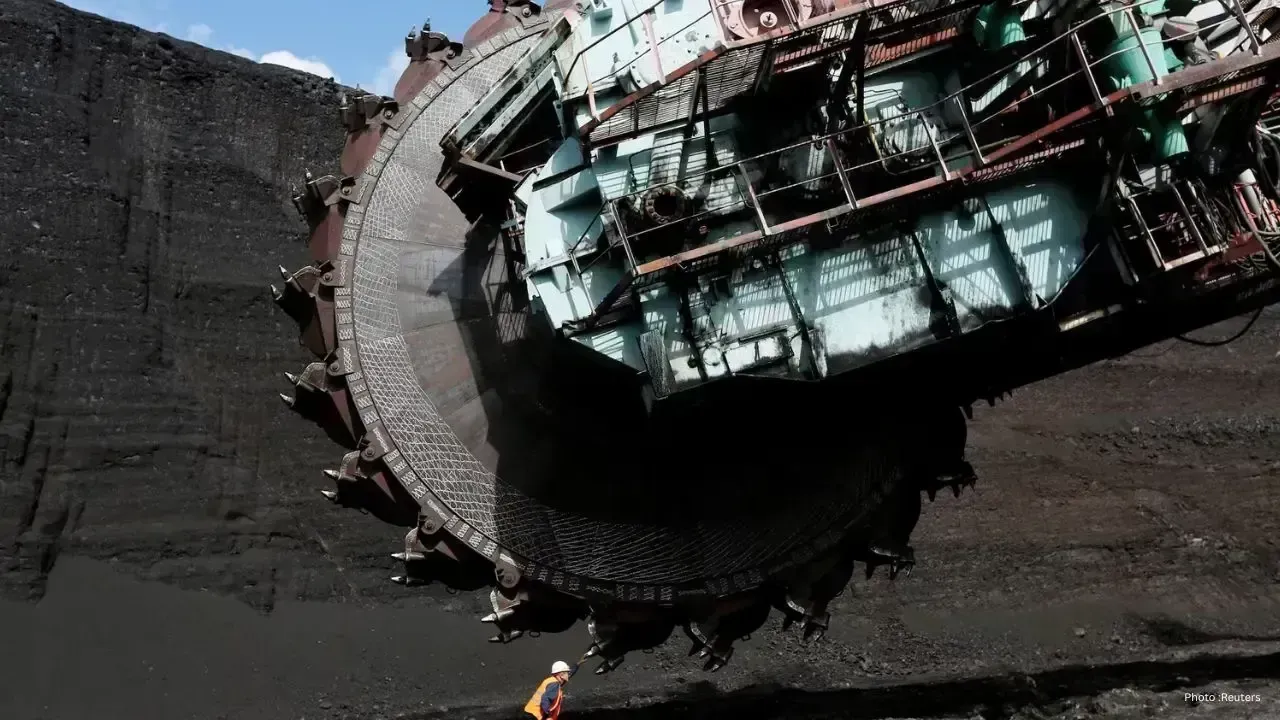
Post by : Shweta
China has opted to reactivate a significant coal-to-gas initiative as worldwide energy markets grapple with disturbances stemming from rising tensions in the Middle East. This decision illustrates the impact of geopolitical strife on global energy strategies.
Originally launched in 2011 with an anticipated budget of $3.7 billion, the Fuxin project faced suspension in 2014 due to various challenges such as environmental impacts, escalated costs, and technical hurdles. Now, a decade later, shifting market dynamics have prompted authorities to reconsider its feasibility.
This revival coincides with ongoing conflicts involving the U.S., Israel, and Iran that have created disruptions in international energy flows, especially affecting natural gas supplies. Damage to infrastructure in the Gulf has led to uncertainty in gas availability, compelling major consumers like China to explore alternative energy sources.
China boasts significant coal reserves, yet its natural gas supply has been rendered unstable by global procurement challenges. By converting coal into synthetic gas, the nation aims to lower its dependence on imports while enhancing energy security. This method also allows for more efficient use of existing coal resources.
Currently, reports indicate that approximately 13 coal-to-gas initiatives are either under development or in the planning stage across China. If completed, this could amplify the country's synthetic gas production capacity by up to seven-fold, achieving a potential output exceeding 52 billion cubic meters, representing around 12% of China's total gas supply.
Nonetheless, these initiatives have faced scrutiny. Environmental advocates have consistently voiced concerns regarding coal-to-gas technology, as it can result in substantial carbon emissions and require extensive water resources. Despite this, China is striving to strike a balance in its energy landscape, investing in both traditional resources like coal and cleaner alternatives such as renewable energy and battery storage.
China stands as a major force in global coal consumption and is projected to unveil numerous new coal-fired power installations by 2026, dominating such projects worldwide. In addition to generating electricity, coal is also being utilized in China for the production of gas, liquid fuels, and chemicals.
The decision to restart the Fuxin initiative underscores the extent to which energy security concerns can sometimes take precedence over environmental considerations, especially in times of global instability. As ongoing conflicts continue to influence supply chains, nations like China are rapidly adapting to secure dependable energy resources for their futures.










PM Modi Pays Tribute to Mahatma Gandhi, Urges People to Support Khadi
PM Modi pays tribute to Mahatma Gandhi on Gandhi Jayanti and urges citizens to support Khadi and the

Amazon Seeks to Offload $8 Billion in Nvidia Chips to Investors
Amazon plans to move $8 billion in Nvidia chips to investors, using a new financing model to strengt

Samsung Raises Galaxy S26 Prices as Memory Chip Costs Rise
Samsung raises Galaxy S26 prices in South Korea as rising memory chip costs put pressure on smartpho

Lewis Hamilton Calls Singapore Grand Prix One of F1's Toughest Races
Lewis Hamilton discusses the demanding Singapore Grand Prix and brings Plus44 and Almave to Singapor

Denmark's Pandora Opens World's Largest Jewellery Factory in Vietnam
Pandora opens its largest jewellery factory in Vietnam, expanding global production, strengthening s

Gautam Gambhir Questions Batting-Friendly Pitches After India's Record ODI Chase
Gautam Gambhir questions batting-friendly ODI pitches after India’s record chase, calling for a bett

