You have not yet added any article to your bookmarks!
Join 10k+ people to get notified about new posts, news and tips.
Do not worry we don't spam!
Post by : Saif Rahman
Chile is enduring a catastrophic period as fierce wildfires devastate central and southern regions of the nation. With at least 18 confirmed deaths, thousands have lost their homes, and tens of thousands are being evacuated. What began as minor incidents has escalated into a national ordeal, instilling fear and sorrow among countless families.
The fires erupted during an extreme heat wave, with temperatures soaring above 38 degrees Celsius (100 degrees Fahrenheit). The rapid winds have exacerbated the situation, overwhelming firefighters and leaving many residents scrambling to escape. Entire landscapes have been reduced to ash, transforming once-quiet communities into devastated areas.
President Gabriel Boric has declared a state of emergency in the Biobío and Ñuble regions, approximately 500 kilometers south of Santiago. This declaration allows for military assistance to aid firefighting efforts. According to Chile's national forestry agency, over two dozen wildfires remain active, having consumed roughly 8,500 hectares of land.
In Concepción, one of the worst-affected cities, President Boric conveyed his condolences and solidarity with those impacted. He warned that the death toll might rise as rescue teams reach previously isolated areas. Preliminary assessments indicate around 300 homes have been destroyed, though estimates suggest the true number in the Biobío region could surpass 1,000.
More than 50,000 individuals have been compelled to evacuate, often in the dead of night with children, pets, and essential belongings. Some narrowly escaped as flames enveloped their neighborhoods.
“Our first priority is to extinguish the fire,” stated President Boric. “We must also acknowledge the profound human suffering. Families are losing everything. These are challenging times.”
Amidst the emerging grief, frustration is also palpable. Local leaders have criticized the delayed response, with the mayor of Penco publicly denouncing the lack of immediate governmental support during the early hours of the blaze.
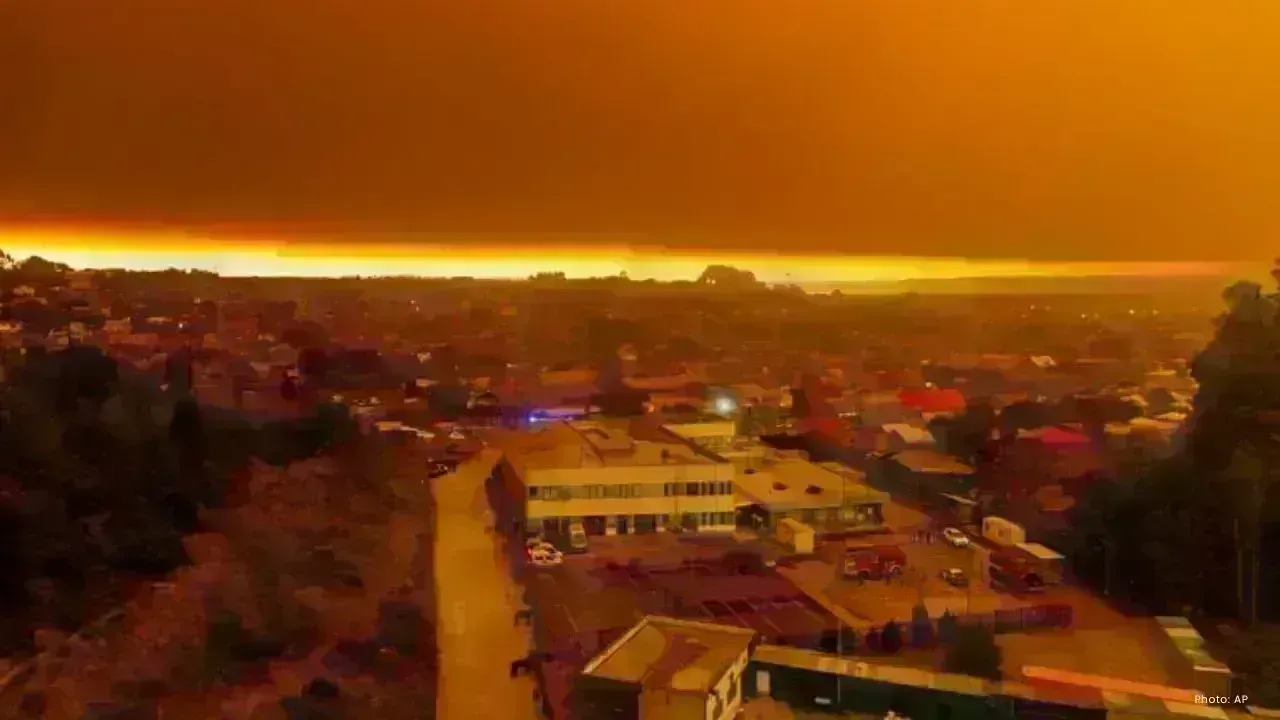
Firefighters have been relentlessly combating the flames, which have decimated homes, vehicles, schools, and even places of worship. Smoke has engulfed the sky, casting an orange hue over daytime. Emergency shelters have been established as countless individuals seek refuge.
Witness accounts depict harrowing experiences. Many believed the fires would halt at the forest's edge, opting to remain; that decision proved fatal.
“It spiraled quickly out of control,” recounted a resident. “No one anticipated this would happen.”
Tragic scenes emerged as charred bodies were discovered in various locations, including homes, fields, and vehicles. Many towns have lost residents, making the grief feel deeply personal.
Interior Minister Álvaro Elizalde has cautioned that adverse weather conditions persist. Extreme heat and dry winds will continue, complicating firefighting operations. Curfews have been established in some regions to protect inhabitants and facilitate emergency efforts.
Wildfires are not foreign to Chile. Every summer, fires ignite in the central and southern parts of the country. However, experts warn that climate change and prolonged drought are increasing the frequency and deadliness of these events. In 2024, at least 130 individuals fell victim to wildfires, marking the deadliest disaster since the massive earthquake of 2010.
What is transpiring now is a stark reminder that such disasters are not isolated incidents but rather part of a troubling trend.
Argentina is similarly grappling with wildfires as conditions remain hot and dry. Across South America, extreme weather is straining governments and emergency services.
In the aftermath, serious questions arise concerning preparedness for severe weather, the effectiveness of early warning systems, and forest management practices to mitigate fire risks.
For families mourning their lost loved ones, these inquiries come too late. Immediate survival and recovery are the foremost priorities. Homes need reconstruction, communities require rejuvenation, and emotional scars must be addressed.
Chile stands at a critical juncture. The resilience of firefighters, volunteers, and citizens is commendable, but courage alone cannot suffice. Effective long-term planning, enhanced disaster response frameworks, and robust climate initiatives are vital to prevent future tragedies.
As the fires continue to rage, the country grieves the lives lost and hopes for the safety of those still in peril. The aspiration is for this disaster to inspire Chile to bolster its protective measures for citizens in the future.









George Russell Wins Dutch GP Sprint, Boosts Mercedes Morale
George Russell wins the Dutch GP Sprint from pole as Mercedes teammate Kimi Antonelli extends his F1

Australia 50/3 After Bangladesh Bowled Out for 64 in Second Test
Australia reached 50/3 after Bangladesh were bowled out for 64 in the second Test, with Mitchell Sta

Jordan Burroughs Returns to Wrestling with 2028 Olympic Dream
Jordan Burroughs returns to wrestling with Real American Freestyle as the Olympic champion eyes a po

Lamborghini Catches Fire on Singapore's ECP, Causing Heavy Traffic
A Lamborghini caught fire on Singapore's ECP, causing heavy traffic and bus delays. No injuries were

Bangkok Airport Duty-Free Area Flooded by Pipe Burst
A burst water pipe flooded the duty-free shopping area at Bangkok's Suvarnabhumi Airport on July 16,
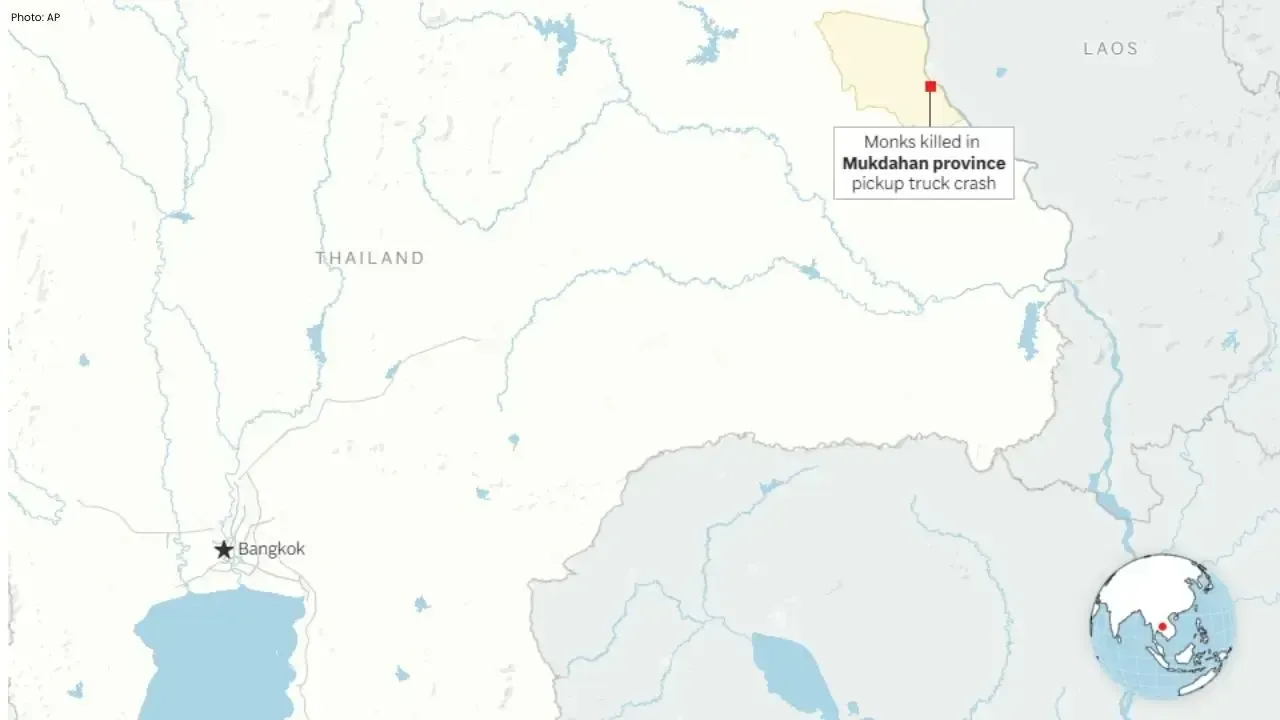
Nine Monks Killed in Thailand Pickup Truck Tragedy
An 11-year-old boy driving a pickup truck crashed into monks during a pilgrimage in northeastern Tha