
You have not yet added any article to your bookmarks!
Join 10k+ people to get notified about new posts, news and tips.
Do not worry we don't spam!
Post by : Saif Rahman
Music has always played a crucial role in human civilization. From joyful celebrations to solemn ceremonies, it unites individuals in profound ways. Traditional musical instruments are vital components of this legacy, embodying the culture, history, and inventive spirit of societies worldwide.
Defining Traditional Musical Instruments
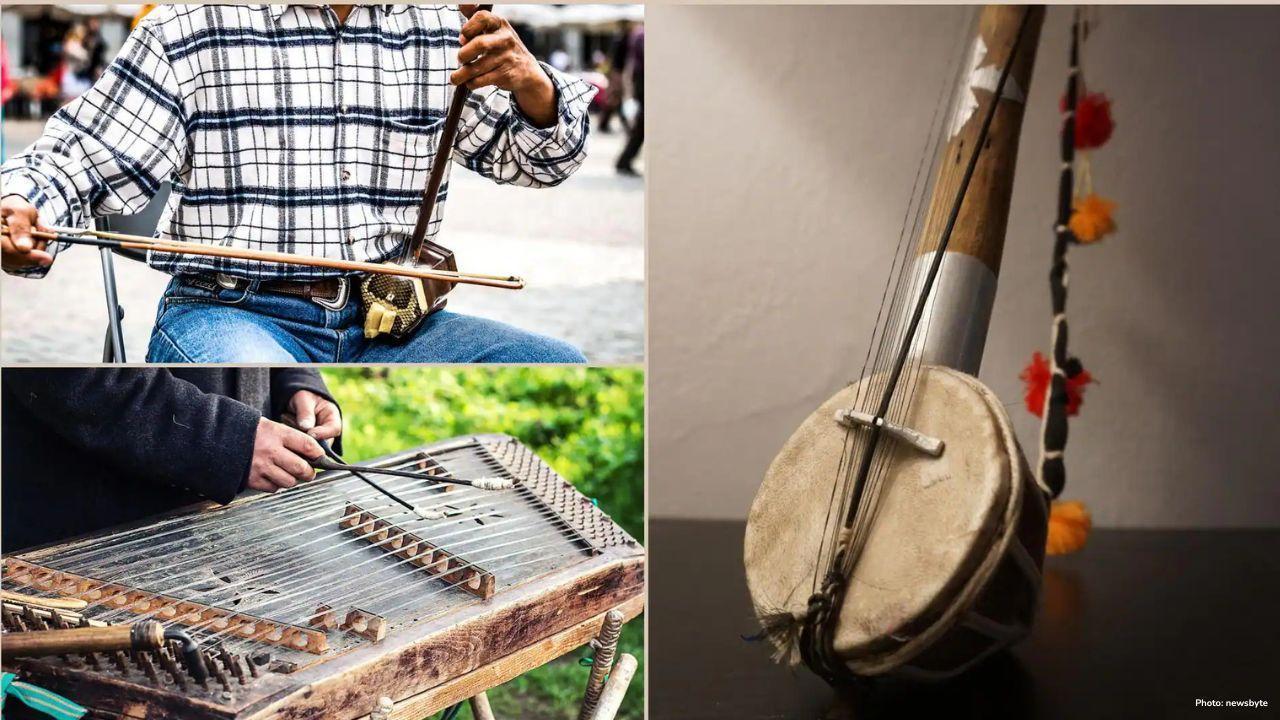
Traditional musical instruments are unique tools that have been cherished in specific cultures for generations. Often crafted from natural materials like wood, metal, animal skins, or strings, these instruments are deeply intertwined with the customs and heritage of their communities, contrasting with modern instruments.
Renowned Traditional Instruments Globally
Sitar (India): A string instrument known for its distinctive sound, commonly featured in classical Indian music.
Djembe (West Africa): A hand drum integral to ceremonies and celebrations.
Shamisen (Japan): A three-stringed musical instrument central to traditional Japanese music and theatre.
Bagpipes (Scotland): A wind instrument crafted from pipes and a bag, often heard during Scottish festivities.
Didgeridoo (Australia): A long wooden wind instrument played by Aboriginal Australians.
Erhu (China): A two-stringed bowed instrument, affectionately known as the Chinese violin.
The Significance of Traditional Instruments
These instruments transcend mere musical functions; they forge connections to culture and history. They serve as vessels for narratives, beliefs, and traditions, creating continuity across generations.
Artisanal Craftsmanship
Many traditional instruments showcase the talent of skilled artisans, each crafted uniquely. The processes involved frequently include age-old techniques passed through generations, enriching the value and character of each instrument.
Balancing Modernity with Tradition
In contemporary society, there remains a vibrant appreciation for traditional instruments. Musicians often fuse these timeless tools with modern genres, generating innovative soundscapes. Furthermore, workshops and festivals organized by governments, cultural bodies, and schools aim to educate younger generations on playing these unique instruments.
The Role of Music in Community Life
Traditional musical instruments often enhance festivals, weddings, religious observances, and local events, fostering unity and a sense of belonging. For many cultures, musicianship symbolizes skill and reverence.
Traditional musical instruments are celebrated for their melodious sounds, craftsmanship, and cultural significance. They serve not only as instruments but as vital links to our history, culture, and communities. Globally, these instruments continue to be cherished, ensuring that their musical heritage lives on for future generations.










PM Modi Pays Tribute to Mahatma Gandhi, Urges People to Support Khadi
PM Modi pays tribute to Mahatma Gandhi on Gandhi Jayanti and urges citizens to support Khadi and the

Amazon Seeks to Offload $8 Billion in Nvidia Chips to Investors
Amazon plans to move $8 billion in Nvidia chips to investors, using a new financing model to strengt

Samsung Raises Galaxy S26 Prices as Memory Chip Costs Rise
Samsung raises Galaxy S26 prices in South Korea as rising memory chip costs put pressure on smartpho

Lewis Hamilton Calls Singapore Grand Prix One of F1's Toughest Races
Lewis Hamilton discusses the demanding Singapore Grand Prix and brings Plus44 and Almave to Singapor

Denmark's Pandora Opens World's Largest Jewellery Factory in Vietnam
Pandora opens its largest jewellery factory in Vietnam, expanding global production, strengthening s

Gautam Gambhir Questions Batting-Friendly Pitches After India's Record ODI Chase
Gautam Gambhir questions batting-friendly ODI pitches after India’s record chase, calling for a bett

