You have not yet added any article to your bookmarks!
Join 10k+ people to get notified about new posts, news and tips.
Do not worry we don't spam!
Post by : Anis Farhan
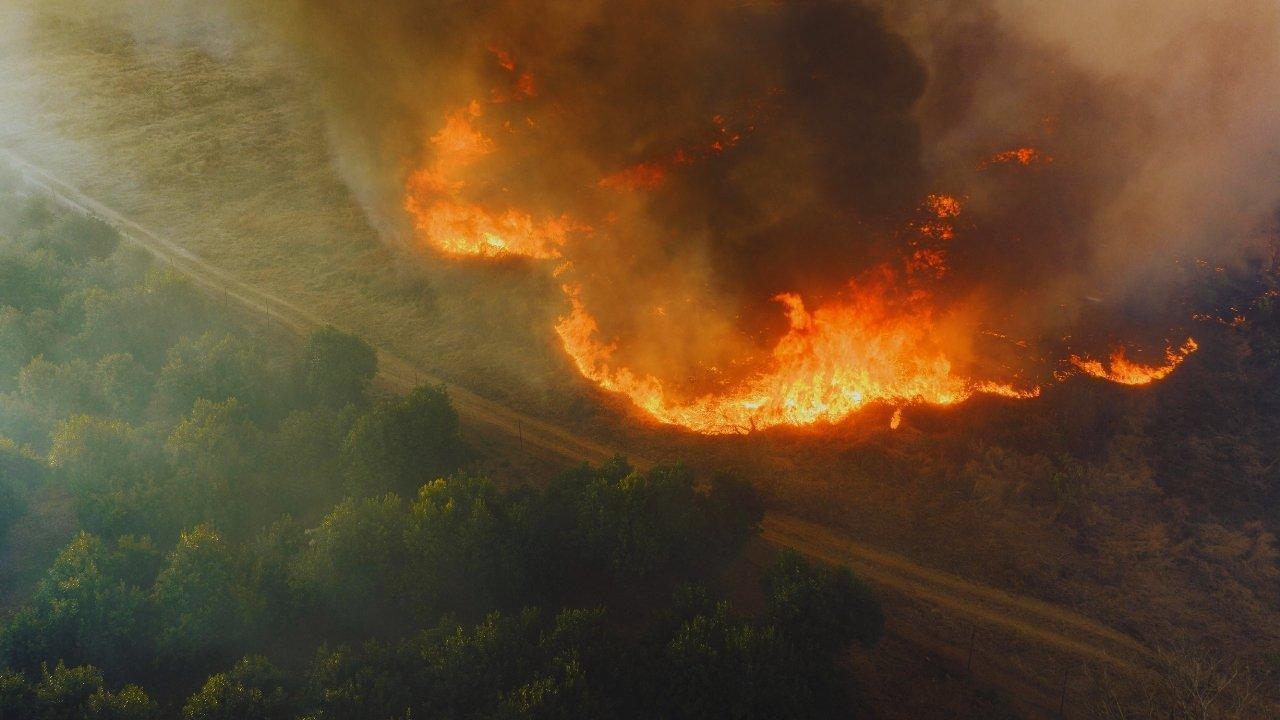
The 2025 wildfire season in California was unprecedented in both intensity and scale. By mid-September, thousands of fires had already burned over half a million acres across the state. By the season’s end, the total number of fires exceeded 7,300, consuming vast stretches of forests, grasslands, and residential areas. More than 16,000 structures were destroyed, leaving thousands of families homeless. Tragically, at least 31 people lost their lives, and countless others sustained injuries. The scale of destruction highlighted the complex interplay between natural factors, climate change, and human activity in exacerbating wildfire risks.
Wildfires in California are not a new phenomenon; the state has historically faced seasonal blazes due to its dry Mediterranean climate and Santa Ana winds. However, the 2025 season was distinct for its intensity and frequency. Experts attribute this partly to the ongoing effects of climate change, which has made extreme weather events more common and vegetation more susceptible to ignition. This season also exposed gaps in emergency preparedness and highlighted the need for comprehensive mitigation strategies.
Several factors contributed to the severity of the 2025 fires:
Extended Drought Conditions: California experienced prolonged periods of drought leading up to the wildfire season. Dry soil, parched forests, and dried-up vegetation created an environment in which even a small spark could ignite widespread fires. The lack of precipitation also prevented natural barriers, such as moisture-rich landscapes, from slowing the spread of flames.
Santa Ana Winds: Strong, dry winds known as Santa Ana winds fanned the flames across large areas. These winds can reach speeds of up to 70 miles per hour, rapidly pushing fires into populated regions. Firefighters struggled to contain blazes as winds shifted unpredictably, spreading embers across vast distances and igniting new fires in multiple locations simultaneously.
Climate Change: Rising temperatures and irregular precipitation patterns have intensified California’s wildfire risks. Hotter summers and diminished rainfall dry out vegetation, increasing the likelihood of fires. Scientists warn that climate change has amplified fire severity, making these disasters more frequent and unpredictable.
Human Activity: Accidental ignition from power lines, campfires, and other human activities contributed to multiple fire outbreaks. While natural factors created the conditions for rapid fire spread, human activity acted as a trigger, underscoring the need for responsible behavior in fire-prone areas.
The 2025 wildfires had a profound effect on California’s residents and communities:
Evacuations: Thousands of residents were forced to flee their homes as flames approached residential areas. Communities including Malibu, Pacific Palisades, and Altadena were placed under mandatory evacuation orders. Families left behind possessions, pets, and livelihoods, often with only a few minutes to escape.
Destruction of Homes and Property: More than 16,000 structures, including homes, commercial buildings, and critical infrastructure, were destroyed or severely damaged. Entire neighborhoods were reduced to ash, leaving survivors with the daunting task of rebuilding their lives from scratch.
Loss of Life and Injuries: At least 31 individuals lost their lives, and hundreds suffered injuries ranging from burns to respiratory issues caused by smoke inhalation. Many survivors reported trauma and emotional distress due to the rapid escalation of the fires.
Environmental Damage: The fires destroyed thousands of acres of forests, grasslands, and wildlife habitats. Smoke and particulate matter spread far beyond the immediate fire zones, worsening air quality in cities and towns across California and even neighboring states. Wildlife suffered significant losses, with many species displaced or killed due to habitat destruction.
Economic Impact: The fires caused billions of dollars in property damage, insurance claims, and recovery costs. Businesses, particularly in tourism, agriculture, and retail, experienced disruptions, and the economic burden extended to local, state, and federal agencies involved in disaster response.
California’s firefighting agencies, emergency responders, and local authorities faced extraordinary challenges:
Firefighting Operations: Thousands of firefighters, supported by state and federal resources, battled the flames. Fire crews worked around the clock, often under dangerous conditions with limited visibility and extreme heat. Air support, including helicopters and planes, was deployed to douse flames and slow fire spread.
Evacuation and Shelter Efforts: Evacuation orders were implemented in high-risk areas, and temporary shelters were established to accommodate displaced residents. Relief centers provided food, water, medical care, and psychological support to families and individuals affected by the fires.
Legislative Measures: In the wake of the devastation, state authorities introduced reforms to accelerate recovery and improve disaster preparedness. Measures included simplifying building permits for reconstruction, providing property tax relief to affected homeowners, and enhancing fire prevention regulations.
Community Assistance: Non-governmental organizations and local communities mobilized to assist victims. Donations of supplies, volunteer support, and community shelters played a critical role in helping families cope with the immediate aftermath.
Despite these efforts, the sheer scale of the fires challenged resources and highlighted the need for long-term investments in disaster preparedness, firefighting infrastructure, and community resilience.
Following the wildfires, Southern California faced another threat: an unusual atmospheric river storm brought heavy rainfall to fire-damaged areas. These rains increased the risk of mudslides and debris flows, as vegetation that normally stabilizes soil had been destroyed. Authorities issued additional evacuation orders in high-risk neighborhoods to protect residents from potential flooding and landslides.
The combination of wildfire damage and post-fire storms exemplifies how one natural disaster can exacerbate the risk of another. Burned landscapes are highly vulnerable to erosion, and the sudden influx of water can trigger destructive debris flows that threaten lives and property. Residents were advised to stay alert, follow emergency directives, and avoid travel through high-risk areas.
The 2025 wildfire season underscored the need for both short-term and long-term solutions to California’s recurring wildfire crises:
Infrastructure and Building Codes: Strengthening building codes to ensure homes are fire-resistant is critical. Using flame-retardant materials, designing defensible spaces around properties, and creating buffer zones can reduce vulnerability.
Forest and Land Management: Controlled burns, vegetation clearance, and forest restoration projects help reduce fuel for fires and limit their intensity. Effective land management strategies can mitigate the rapid spread of wildfires.
Community Preparedness: Residents need to be trained in fire safety, evacuation procedures, and emergency response. Community drills and education campaigns can save lives and reduce panic during emergencies.
Climate Action: Addressing climate change is essential to minimize the underlying factors that increase wildfire risks. Policies targeting carbon emissions, renewable energy adoption, and sustainable land use can contribute to long-term mitigation.
Mental Health Support: Survivors often experience post-traumatic stress, anxiety, and depression after large-scale disasters. Integrating mental health services into recovery programs is crucial for holistic recovery.
The ecological consequences of the 2025 fires were immense. Large tracts of forests were destroyed, leading to soil degradation, loss of biodiversity, and displacement of wildlife. Many species lost their natural habitats, which could take decades to recover. Air quality deterioration also had short- and long-term health impacts on humans and animals alike. Reforestation programs, habitat restoration, and conservation efforts are essential to restore balance to these affected ecosystems.
Wildlife corridors must be established to allow animals to migrate safely from burned areas. Additionally, monitoring programs can track species recovery and inform future conservation strategies. The fires also highlighted the interconnectedness of human and environmental health, reinforcing the importance of sustainable land use practices.
The financial impact of the fires extended beyond property loss:
Insurance Costs: The destruction of homes and infrastructure led to a surge in insurance claims, affecting both homeowners and insurance companies. The increased premiums may impact affordability and coverage in fire-prone areas.
Business Disruptions: Industries such as agriculture, tourism, and retail faced operational challenges, with crop losses, disrupted supply chains, and decreased tourism revenue.
Government Expenditure: State and federal resources were allocated for firefighting, disaster relief, and reconstruction. These expenditures highlight the economic strain that natural disasters place on public budgets.
Recovery strategies focus on rebuilding infrastructure, supporting displaced families, and investing in resilience measures to minimize future economic losses. Incentives for fire-resistant construction and community preparedness programs are part of long-term recovery plans.
Experts emphasize the importance of proactive measures:
Enhanced Fire Prediction Models: Investing in technology to predict fire behavior and risk areas can improve preparedness and response.
Community Engagement: Residents must be informed and equipped to handle emergencies. Evacuation plans, emergency kits, and communication strategies are essential components.
Policy Reform: Implementing and enforcing regulations related to land use, construction, and fire prevention is vital. Government and community collaboration ensures that policies are both effective and practical.
Sustainable Practices: Reducing greenhouse gas emissions, protecting natural habitats, and promoting responsible urban development can help mitigate long-term wildfire risks.
Through a combination of technology, policy, and community involvement, California can better prepare for future wildfire seasons and reduce their devastating impacts.
This article is for informational purposes only and is based on reports and expert analyses as of October 2025. It does not constitute official guidance for wildfire safety or evacuation. Readers are advised to follow local authorities’ instructions and preparedness recommendations during wildfire events.










George Russell Wins Dutch GP Sprint, Boosts Mercedes Morale
George Russell wins the Dutch GP Sprint from pole as Mercedes teammate Kimi Antonelli extends his F1

Australia 50/3 After Bangladesh Bowled Out for 64 in Second Test
Australia reached 50/3 after Bangladesh were bowled out for 64 in the second Test, with Mitchell Sta

Jordan Burroughs Returns to Wrestling with 2028 Olympic Dream
Jordan Burroughs returns to wrestling with Real American Freestyle as the Olympic champion eyes a po

Lamborghini Catches Fire on Singapore's ECP, Causing Heavy Traffic
A Lamborghini caught fire on Singapore's ECP, causing heavy traffic and bus delays. No injuries were

Bangkok Airport Duty-Free Area Flooded by Pipe Burst
A burst water pipe flooded the duty-free shopping area at Bangkok's Suvarnabhumi Airport on July 16,

Nine Monks Killed in Thailand Pickup Truck Tragedy
An 11-year-old boy driving a pickup truck crashed into monks during a pilgrimage in northeastern Tha