You have not yet added any article to your bookmarks!
Join 10k+ people to get notified about new posts, news and tips.
Do not worry we don't spam!
Post by : Anis Farhan
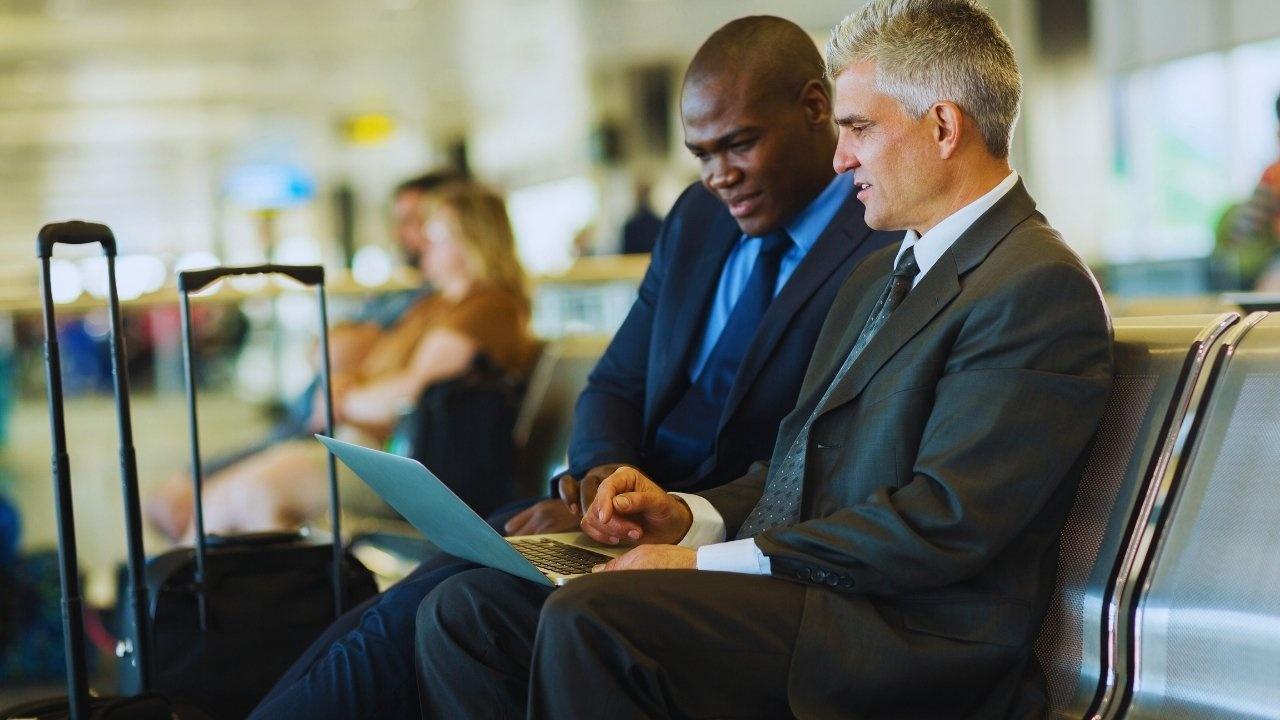
The traditional divide between business travel and holiday time is dissolving. Rather than rushing home after meetings, many professionals now add personal days to work trips, sampling local culture, food and attractions. This practice—commonly called bleisure—has moved from occasional convenience to a defining lifestyle choice for modern workers.
What started among frequent travellers has broadened into a mainstream behaviour. Employers are increasingly open to employees blending leisure with corporate travel, recognizing its potential to ease burnout, spark creativity and improve job satisfaction.
Bleisure’s rise traces back years but was fast-tracked by pandemic-era shifts. Widespread remote work demonstrated that productivity can be location-independent, and many employees kept that flexibility when travel resumed. The result: professionals now view business trips as opportunities to combine work obligations with downtime.
Industry surveys indicate a majority of business travellers plan to tack leisure days onto work visits. Travel providers and hotel groups have responded with flexible check-in options, work-ready rooms and curated local experiences aimed at this blended traveller segment.
For many workers, bleisure is a practical route to balance. Extending a trip by a few days reduces the need for separate vacations and helps staff recharge without interrupting workflows. Financially, it also makes sense—when companies cover major travel costs, the marginal expense of extra personal days is lower.
Beyond cost savings, bleisure supports mental recovery and personal growth. Employees frequently report returning from such trips more motivated and loyal to employers who allow that flexibility, and firms see benefits in morale and retention.
Organisations that once discouraged mixing business and pleasure are reframing travel rules around outcomes rather than strict schedules. As long as objectives are met, many companies now permit employees to add personal time to business itineraries.
Large firms across sectors have started embedding travel flexibility into wellbeing programmes; some provide credits or incentives to extend stays for cultural exposure. HR teams are working with travel managers to craft packages that balance employee safety, insurance coverage and clear guidelines for personal time.
Cities that combine robust infrastructure, cultural attractions and easy access are emerging as bleisure favourites. Urban centres with lively dining scenes, entertainment and green spaces are particularly attractive to professionals seeking both productivity and pleasure.
Places like Singapore, Dubai, Bangkok and Kuala Lumpur have become hubs for travellers who mix meetings with leisure. In Dubai, for example, conference attendees often add beach or desert excursions; in Bangkok, coworking cafés and vibrant street life make it easy to switch between work and exploration.
Smaller cities are also investing in connectivity and lifestyle amenities to draw longer-staying business visitors and remote workers.
Technology underpins the bleisure trend. AI-driven travel tools propose itineraries that slot around meetings, while hotel rooms now commonly include ergonomic workspaces and high-speed internet. Digital assistants help manage bookings, calls and expenses from a single platform.
Emerging tools—ranging from smart hospitality systems to virtual networking in the metaverse—allow professionals to stay connected while exploring new locations, further smoothing the transition between work and leisure.
Bleisure expands the economic footprint of business travel. Extended stays increase spending at hotels, restaurants and attractions, prompting airlines and hotels to offer hybrid packages and rewards for longer visits. Tourism boards are promoting work-friendly destinations to tap into this market.
The additional leisure days drive meaningful revenue for local economies and support year-round tourism by encouraging deeper engagement with communities rather than quick turnaround visits.
There is a sustainability argument to bleisure: fewer short trips and longer stays can reduce flight frequency and encourage slower, more responsible tourism. Companies are also consolidating meetings into single extended trips to cut emissions and improve efficiency.
By aligning travel planning with environmental goals, businesses and travellers can make bleisure both rewarding and more eco-conscious.
Despite its appeal, bleisure raises practical questions. Employers and staff must clarify insurance coverage during personal time, expense allocations and data security when corporate devices are used abroad.
Organisations cautious about liability and productivity are developing clearer policies to define responsibilities, reimbursement rules and acceptable remote-work practices during leisure days.
Bleisure points to a broader shift in how we organise work and travel. The boundary between the office and the outside world is loosening, and some predict a move toward longer-term “work-life tourism,” supported by digital nomad visas and more flexible immigration rules.
Success may increasingly be measured by the quality of experiences and personal growth as much as by hours worked—an outlook that repositions travel as an integral part of professional life.
Bleisure 2.0 reframes business travel as an opportunity to blend professional goals with personal wellbeing. For employers, accommodating this shift can foster more engaged and creative teams. For individuals, it offers richer experiences without sacrificing career progress.
Ultimately, bleisure is less a fad than a reimagined approach to working and living in an interconnected world.
This article is for informational and editorial purposes only. It reflects current trends and general insights into the bleisure travel phenomenon. Readers should verify travel and corporate policies independently before making decisions.





George Russell Wins Dutch GP Sprint, Boosts Mercedes Morale
George Russell wins the Dutch GP Sprint from pole as Mercedes teammate Kimi Antonelli extends his F1

Australia 50/3 After Bangladesh Bowled Out for 64 in Second Test
Australia reached 50/3 after Bangladesh were bowled out for 64 in the second Test, with Mitchell Sta

Jordan Burroughs Returns to Wrestling with 2028 Olympic Dream
Jordan Burroughs returns to wrestling with Real American Freestyle as the Olympic champion eyes a po

Lamborghini Catches Fire on Singapore's ECP, Causing Heavy Traffic
A Lamborghini caught fire on Singapore's ECP, causing heavy traffic and bus delays. No injuries were
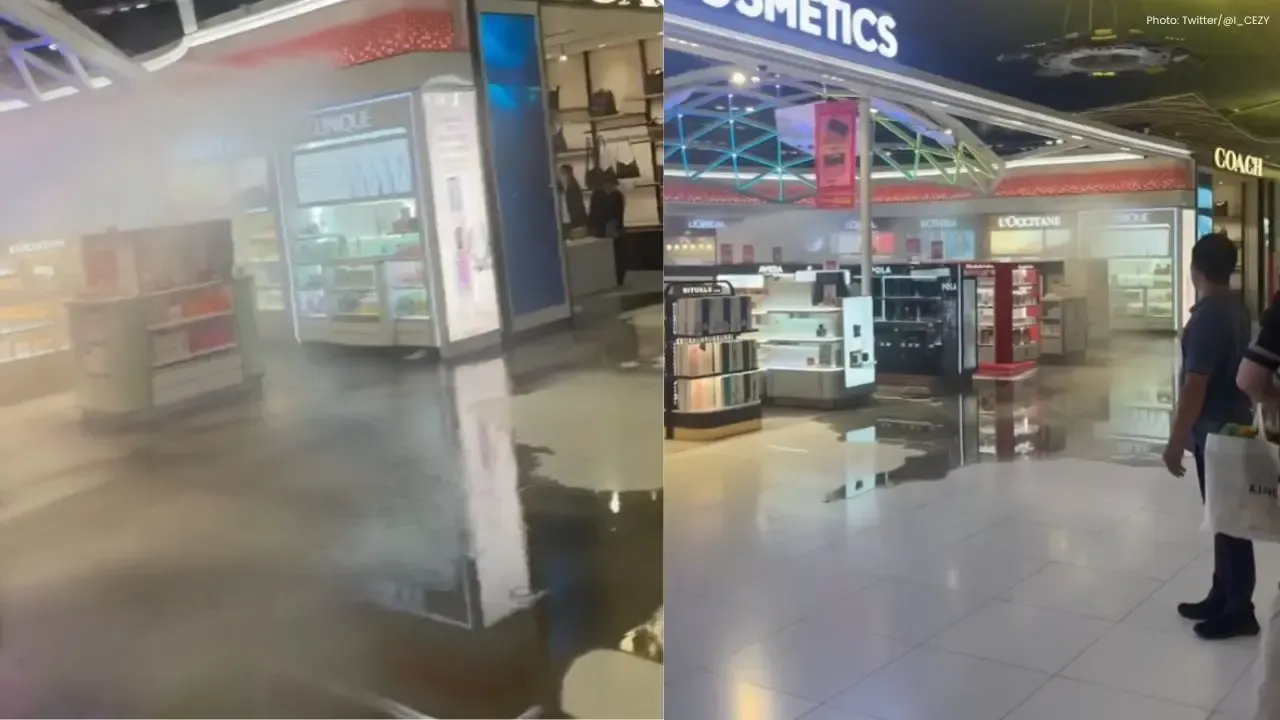
Bangkok Airport Duty-Free Area Flooded by Pipe Burst
A burst water pipe flooded the duty-free shopping area at Bangkok's Suvarnabhumi Airport on July 16,
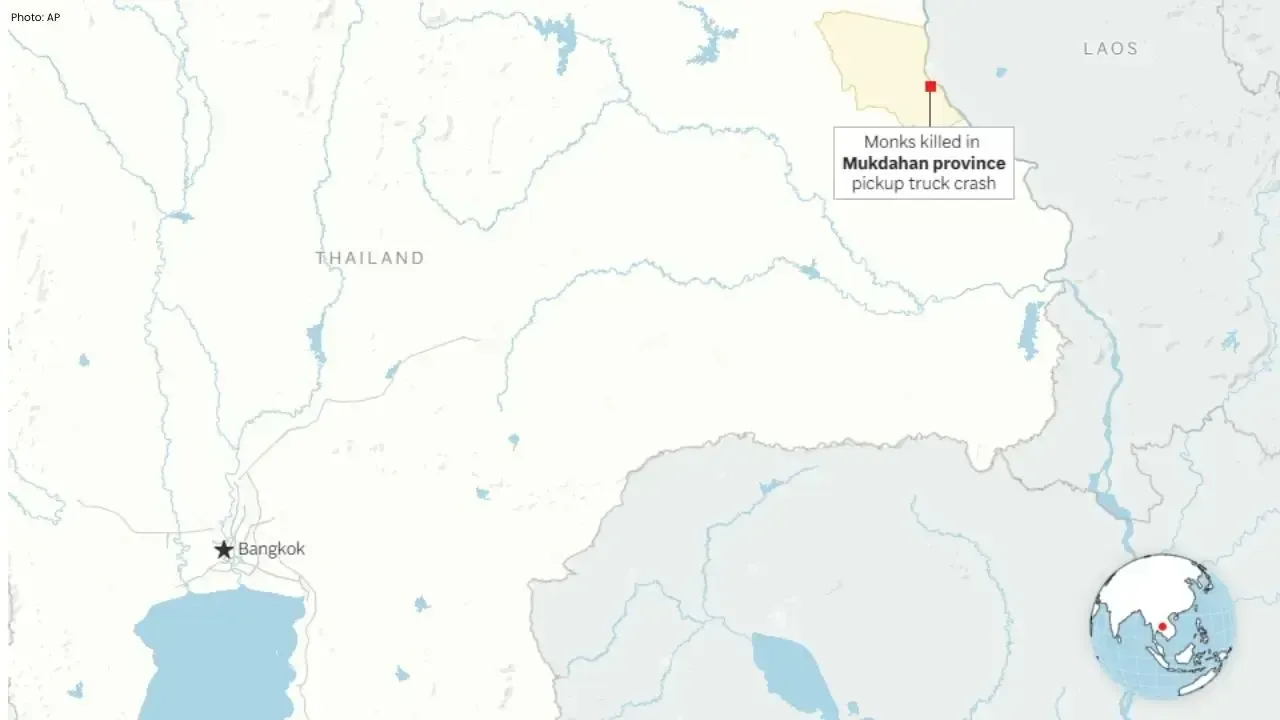
Nine Monks Killed in Thailand Pickup Truck Tragedy
An 11-year-old boy driving a pickup truck crashed into monks during a pilgrimage in northeastern Tha