
You have not yet added any article to your bookmarks!
Join 10k+ people to get notified about new posts, news and tips.
Do not worry we don't spam!
Post by : Anis Farhan
What once felt like science fiction is rapidly becoming routine. In 2025, driverless cars, automated trucks and autonomous drones are being deployed across cities and supply routes, reshaping how people and goods move and prompting fresh conversations about governance, safety and economic impact.
These systems draw on AI, sensor suites, robotics and advanced control software to carry out tasks traditionally handled by humans. Their reach spans improving road safety to transforming final-mile logistics, with significant implications for urban planning and commerce.
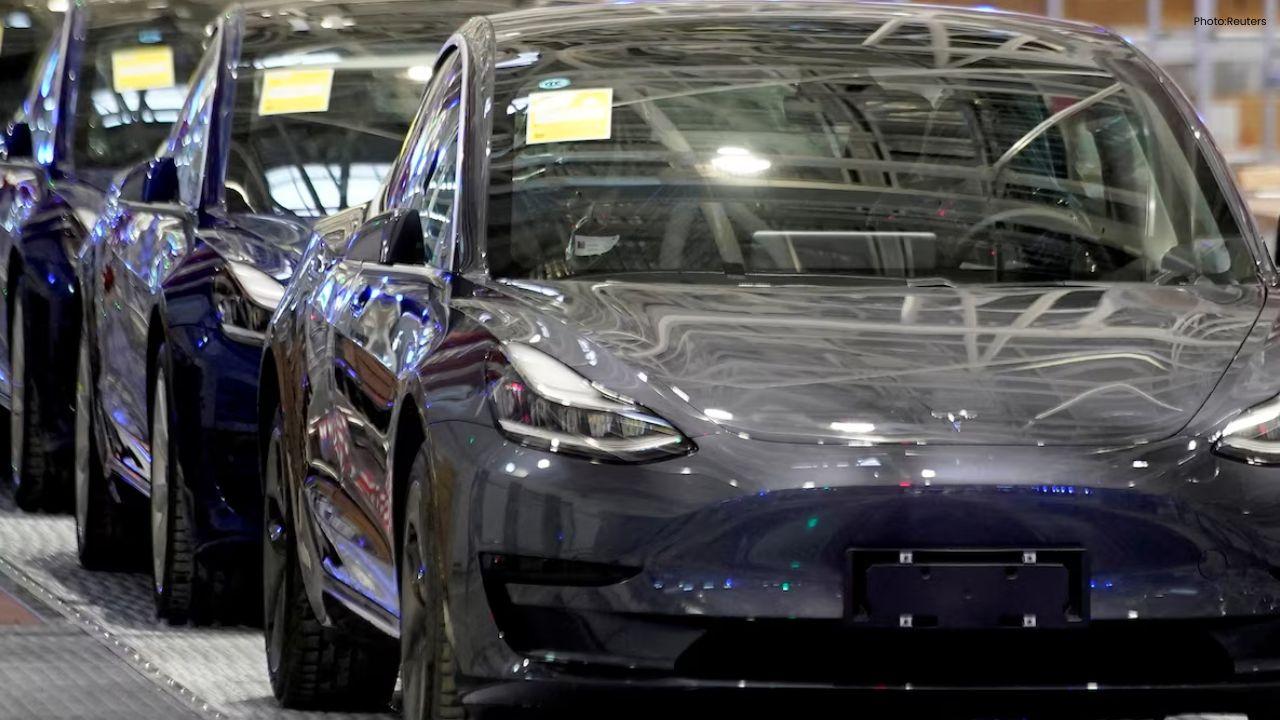
Driverless passenger vehicles remain among the most visible symbols of automation. In many markets, manufacturers and tech firms have rolled out cars capable of supervised or highly automated driving within defined environments, relying on LiDAR, radar, cameras and machine-learning models to negotiate complex traffic situations.
The advantages are clear: fewer accidents caused by human error, better fuel or energy use, and increased mobility options for those who cannot drive. City pilots have reported smoother traffic patterns and reduced journey times in trial corridors.
Yet broad-scale rollout is constrained by variable road environments, human behaviours that are hard to predict, and thorny moral questions that arise in collision scenarios. Regulators and industry actors are still developing standards and test frameworks to validate safety before allowing unrestricted use.
Automation is also remaking freight transport. Long-distance trucking is a major component of global logistics costs, and self-operating trucks promise longer uptime, lower fatigue-related incidents and better fuel management. Technologies like platooning—where vehicles travel in coordinated groups—are being trialled to boost efficiency and safety.
Connected sensors enable predictive upkeep and on-the-fly route adjustments. AI-driven insights suggest optimal speeds and maintenance windows, cutting downtime and operational expense. As these systems scale, supply chains may shift, yielding cost benefits for businesses and consumers.
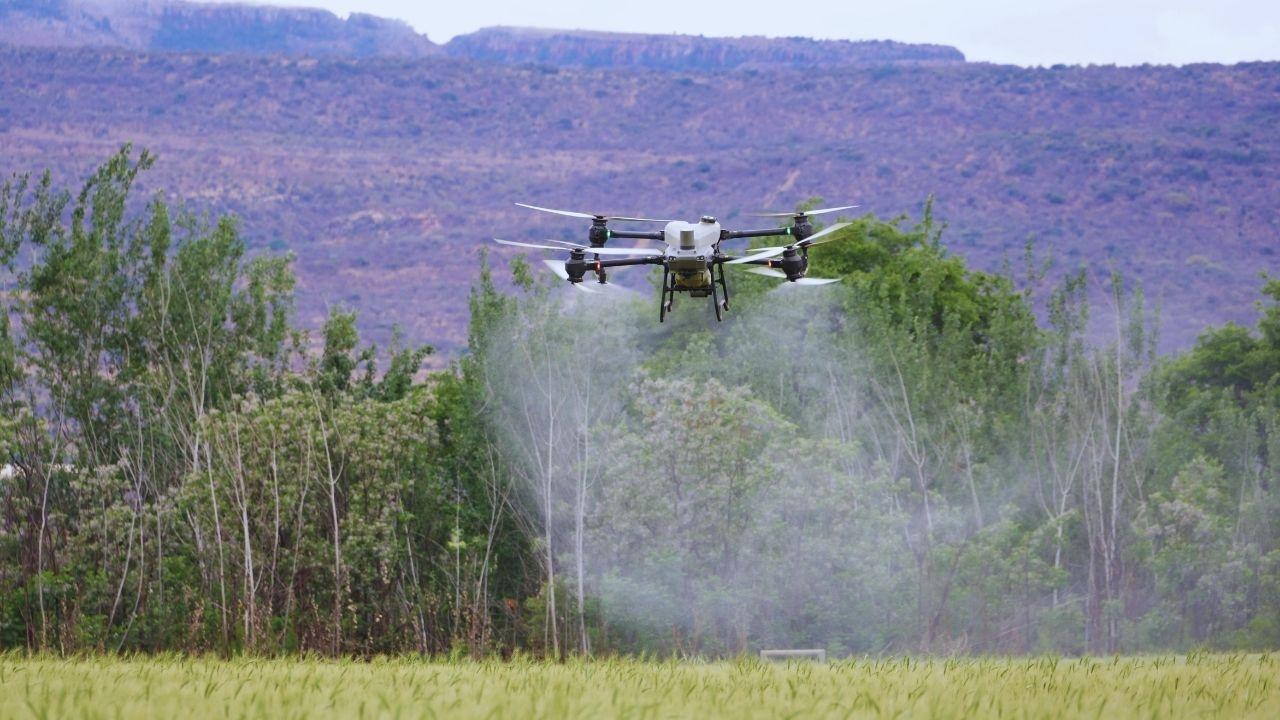
Drones are proving pivotal for last-mile delivery in both dense urban centres and remote areas. By 2025, firms are using unmanned aircraft to transport parcels, medical supplies and temperature-sensitive goods, shortening delivery times and easing pressure on road networks.
Advances in navigation, obstacle avoidance and autonomous flight planning have raised drone reliability. Modern platforms can reroute around weather or airspace restrictions and, in some experiments, operate in coordinated swarms to increase throughput.
Autonomous systems are tightly coupled with smart-city initiatives. Connected infrastructure—smart signals, traffic-management platforms and sensor networks—enables real-time adjustments to traffic flows, safer streets and more predictable delivery windows.
Mobility-as-a-service models are beginning to incorporate automated fleets, letting apps manage vehicle availability and route allocation to reduce wait times and energy consumption. Urban planners are adapting designs to include dedicated lanes, designated drone hubs and sensor-rich corridors to support these services.
The spread of autonomy raises pressing ethical and security issues. Machine decision-making in high-stakes moments—such as imminent collisions—requires clear ethical guidelines and liability frameworks for responsible use.
Cyber threats are also a major worry: vehicles and drones can be exposed to hacking, software faults and data vulnerabilities. Industry and regulators are prioritising certification, rigorous testing and resilient security measures to protect users and infrastructure.
Autonomous technology can cut emissions by optimising driving behaviour and reducing idling time. Electric driverless vehicles and drone deliveries offer opportunities to lower fossil-fuel dependence and shrink transport-related carbon footprints.
Nevertheless, production, battery lifecycle impacts and energy sourcing must be managed carefully. Long-term sustainability depends on balancing operational gains with responsible manufacturing, recycling and power generation practices.
Automation will alter labour markets. Roles tied to driving and delivery face disruption, while new jobs in system oversight, maintenance, software and fleet coordination are emerging. Preparing the workforce through targeted reskilling will be vital for a smooth transition.
At the same time, lower logistics costs and faster services could spur new business models and urban investments in infrastructure that support autonomous mobility, unlocking fresh economic opportunities.
Over the coming decade, autonomous platforms are expected to become more interconnected, adaptive and capable of handling complex situations. Integration with city systems, environmental monitoring and emergency services will expand their societal role.
Cooperation among governments, technology providers and regulators will determine how safely and equitably these systems are rolled out. Harmonised standards, cross-border cooperation and public engagement will shape the pace and direction of adoption.
From driverless cars to delivery drones, autonomous systems are reshaping transport and logistics in tangible ways. They offer efficiency, safety and accessibility gains, but realising those benefits at scale requires deliberate policy, robust security and inclusive planning.
In 2025 these technologies are not speculative—they are part of today’s transport landscape. The key challenge ahead is to harness innovation responsibly so that the advantages of automation are shared broadly while risks are managed effectively.
This article is provided for informational purposes and does not constitute professional, legal, or investment advice. Readers should consult relevant authorities and guidelines on autonomous technology, compliance and safety standards.








George Russell Wins Dutch GP Sprint, Boosts Mercedes Morale
George Russell wins the Dutch GP Sprint from pole as Mercedes teammate Kimi Antonelli extends his F1

Australia 50/3 After Bangladesh Bowled Out for 64 in Second Test
Australia reached 50/3 after Bangladesh were bowled out for 64 in the second Test, with Mitchell Sta

Jordan Burroughs Returns to Wrestling with 2028 Olympic Dream
Jordan Burroughs returns to wrestling with Real American Freestyle as the Olympic champion eyes a po

Lamborghini Catches Fire on Singapore's ECP, Causing Heavy Traffic
A Lamborghini caught fire on Singapore's ECP, causing heavy traffic and bus delays. No injuries were

Bangkok Airport Duty-Free Area Flooded by Pipe Burst
A burst water pipe flooded the duty-free shopping area at Bangkok's Suvarnabhumi Airport on July 16,

Nine Monks Killed in Thailand Pickup Truck Tragedy
An 11-year-old boy driving a pickup truck crashed into monks during a pilgrimage in northeastern Tha

