
You have not yet added any article to your bookmarks!
Join 10k+ people to get notified about new posts, news and tips.
Do not worry we don't spam!
Post by : Anis Farhan
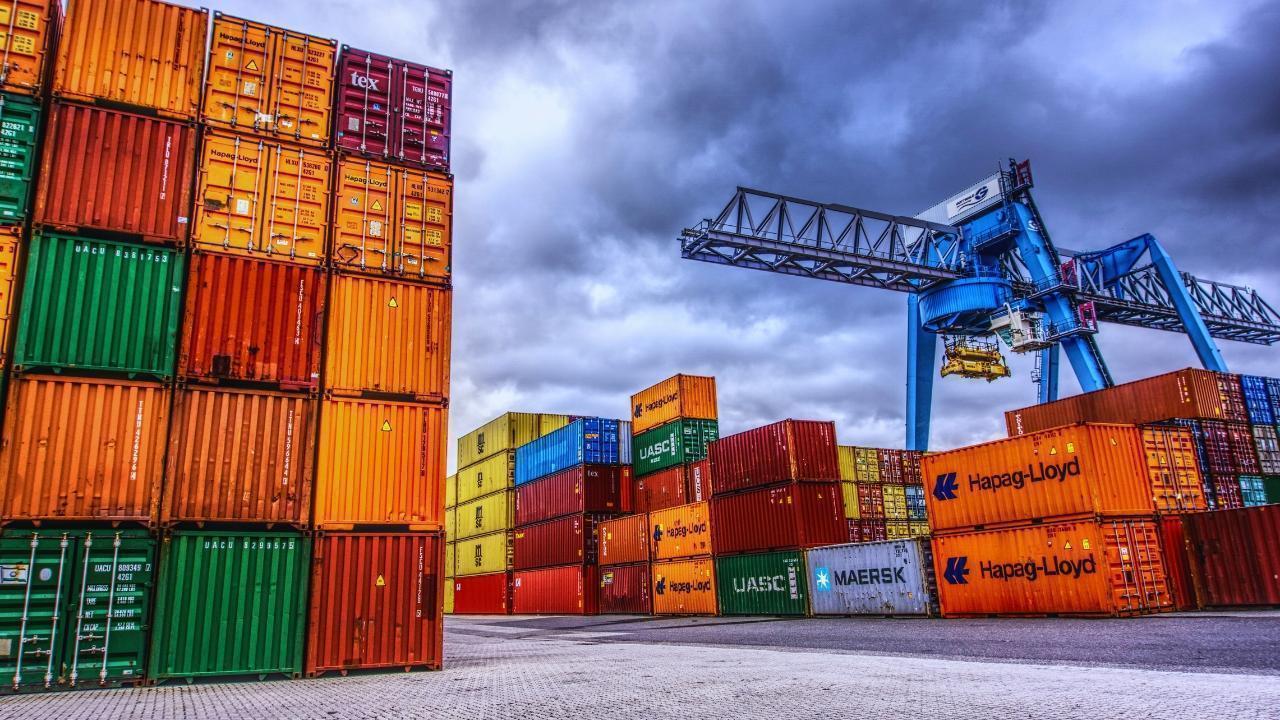
Asia is at the very heart of global trade. Its vast coastlines are home to some of the busiest ports in the world, handling millions of shipping containers every year. From the massive Port of Singapore to the bustling terminals in China, Japan, and Southeast Asia, these gateways are crucial links in the international supply chain. But with more goods moving than ever before, these ports face big challenges: congestion, slow processing times, and the constant need for greater efficiency. This is why many Asian ports are rapidly transforming into "smart ports," using advanced technology to connect global trade in ways that were once just science fiction.
A smart port isn't just a bigger version of an old port. It's a highly advanced, digitally connected system that uses cutting-edge technologies to make everything run smoother. Imagine a port where ships can dock faster, cargo is unloaded and moved quicker, and all the paperwork is handled digitally. This shift is driven by the need to handle ever-increasing volumes of goods, reduce costs, lower environmental impact, and stay competitive in a global market that demands speed and reliability.
The move towards smart ports is a clear sign of how Asia is embracing the future of logistics. By integrating complex technologies like Artificial Intelligence (AI), the Internet of Things (IoT), and automation, these ports are setting new standards for efficiency and reliability. They are not just places where goods arrive and depart; they are intelligent hubs that optimize every step of the supply chain, ensuring that products move seamlessly from manufacturers to consumers across continents.
So, what kind of advanced technology is turning traditional ports into smart ones? It's a combination of several powerful tools working together to create a seamless, interconnected system.
One of the most visible changes is automation and robotics. Gone are the days when every crane needed a human operator. In smart ports like Singapore's Tuas Megaport or China's Yangshan Port, you'll see massive, automated cranes lifting and stacking containers with incredible precision, often working 24/7. Autonomous Guided Vehicles (AGVs), which are like self-driving trucks, move containers around the terminal yards without human drivers. These robots and automated systems reduce human error, speed up operations, and make the port environment much safer.
Artificial Intelligence (AI) is the "brain" behind many smart port operations. AI systems analyze vast amounts of data – from ship movements and weather patterns to cargo information and equipment status. This allows ports to make much smarter decisions in real-time. For example, AI can predict when ships will arrive, optimize where they should dock (berth allocation), and even plan the most efficient routes for containers within the port. This predictive power helps reduce delays and bottlenecks.
The Internet of Things (IoT) connects everything. Imagine sensors on containers tracking their temperature and location, sensors on equipment monitoring their health, and sensors embedded in the port infrastructure collecting data on traffic and environmental conditions. These IoT devices communicate with each other and with central systems, providing real-time visibility into every aspect of port operations. This constant flow of data is crucial for efficient management and quick problem-solving.
Finally, blockchain technology is stepping in to make paperwork and transactions more secure and transparent. Shipping involves a huge amount of documents, from bills of lading to customs declarations. Blockchain can create a secure, unchangeable digital record of these documents, reducing fraud, speeding up customs clearance, and giving everyone in the supply chain a clear view of where things are. This digital backbone helps eliminate paper and makes trade smoother and more trustworthy.
Asia is home to many of the world's leading smart ports, which are constantly pushing the boundaries of what's possible in logistics.
The Port of Singapore (PSA Tuas Megaport) is a prime example. It's designed to be the world's largest fully automated port, with operations expected to be fully centralized by the 2040s. It uses a vast fleet of electric AGVs, AI-driven crane systems, and real-time data analytics to manage immense cargo volumes. Singapore is also a pioneer in digital initiatives like electronic bunkering (e-BDN), which simplifies fuel delivery processes, and a "digital shipping corridor" with Japan to improve information exchange and port calls.
In China, ports like Shanghai's Yangshan Port and Qingdao New Qianwan Automatic Container Terminal have long been at the forefront of automation. Qingdao, famously dubbed a "ghost port" when it opened in 2017 due to its minimal human presence, showcased how AI-controlled cranes and self-driving trucks could handle massive cargo operations 24/7, dramatically cutting labor costs and boosting efficiency. China continues to expand its network of automated container terminals, proving its commitment to high-tech logistics.
Other Asian nations are also making significant strides. Ports in Indonesia are using digital platforms like Inaportnet to track ship and goods services, making information easily accessible. The Philippines has implemented advanced terminal operating systems to manage container flow more efficiently. These examples show a regional drive to embrace digitalization and automation to enhance operational performance and strengthen Asia's position in global trade.
The move to smart ports brings many benefits that go beyond just making things faster and more efficient. It also has a significant positive impact on the environment and the broader economy.
One major advantage is environmental sustainability. Smart ports use electrified equipment and vehicles, like electric AGVs and cranes, which drastically reduce carbon emissions compared to traditional diesel-powered machinery. AI can also optimize shipping routes and port operations to cut down on fuel consumption and pollution. Some ports are even integrating renewable energy sources, like solar and wind power, into their operations. This focus on "green logistics" helps ports meet stricter international environmental rules and contributes to cleaner air in surrounding communities.
Economically, smart ports are a game-changer. By increasing efficiency and reducing operational costs, they enhance a country's economic competitiveness. Faster cargo handling means goods move through the supply chain more quickly, benefiting businesses by reducing shipping times and costs. This, in turn, can attract more trade and investment to the region. Smart ports also create new, high-skilled jobs in areas like data analytics, AI management, and robotics maintenance, moving the workforce into more advanced roles.
Furthermore, the enhanced security and safety offered by smart ports are invaluable. AI-powered surveillance, real-time monitoring, and automated systems reduce human error and minimize risks associated with handling hazardous materials or preventing unauthorized access. This robust security protects valuable cargo and ensures a safer working environment.
The transformation of Asia's ports into smart, tech-driven hubs is a critical step in shaping the future of global trade. These advanced logistics gateways are not only meeting the demands of today's complex supply chains but also preparing for the challenges and opportunities of tomorrow.
As technology continues to evolve, we can expect even more interconnectedness. The dream of a fully integrated global supply chain, where every package can be tracked in real-time from factory to doorstep, becomes more achievable with smart ports leading the way. They will continue to drive innovation in areas like predictive maintenance for equipment, advanced cybersecurity to protect digital systems, and even greater collaboration between all players in the logistics ecosystem.
Asia's leadership in this smart port revolution highlights its strategic importance in global commerce. By continuously investing in advanced technology and embracing digital transformation, the continent is ensuring that it remains the backbone of international trade, connecting businesses and consumers around the world with unparalleled speed, efficiency, and reliability.
The views herein are the author's and don't reflect Newsible Asia's official stance. This content is for information only, not professional advice. Readers should research and consult experts before acting. Newsible Asia is not responsible for any losses from reliance on this article.










PM Modi Pays Tribute to Mahatma Gandhi, Urges People to Support Khadi
PM Modi pays tribute to Mahatma Gandhi on Gandhi Jayanti and urges citizens to support Khadi and the

Amazon Seeks to Offload $8 Billion in Nvidia Chips to Investors
Amazon plans to move $8 billion in Nvidia chips to investors, using a new financing model to strengt

Samsung Raises Galaxy S26 Prices as Memory Chip Costs Rise
Samsung raises Galaxy S26 prices in South Korea as rising memory chip costs put pressure on smartpho

Lewis Hamilton Calls Singapore Grand Prix One of F1's Toughest Races
Lewis Hamilton discusses the demanding Singapore Grand Prix and brings Plus44 and Almave to Singapor

Denmark's Pandora Opens World's Largest Jewellery Factory in Vietnam
Pandora opens its largest jewellery factory in Vietnam, expanding global production, strengthening s

Gautam Gambhir Questions Batting-Friendly Pitches After India's Record ODI Chase
Gautam Gambhir questions batting-friendly ODI pitches after India’s record chase, calling for a bett

