
You have not yet added any article to your bookmarks!
Join 10k+ people to get notified about new posts, news and tips.
Do not worry we don't spam!
Post by : Anis Farhan
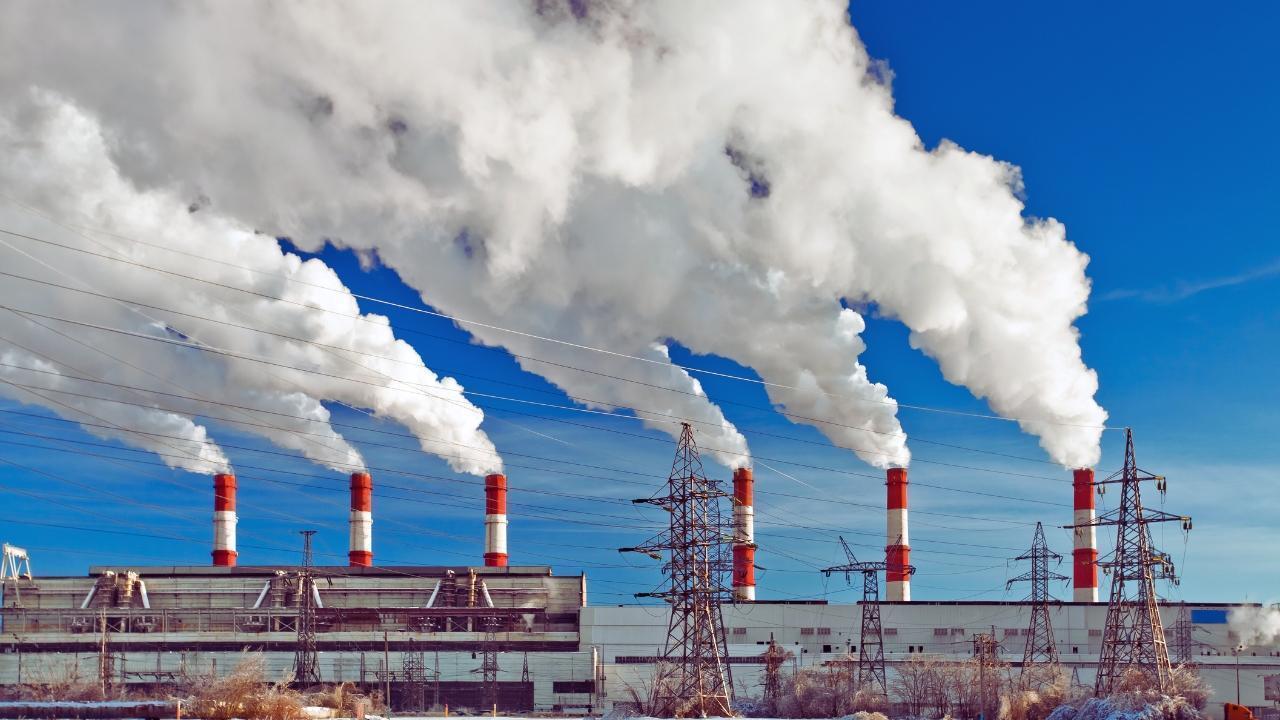
In 2025, air pollution has become more than a seasonal nuisance across Asia—it’s a public health crisis. From the hazy skylines of Delhi and Bangkok to the smog-laden streets of Jakarta and Manila, millions now breathe air that’s not just unhealthy, but hazardous. The World Health Organization’s latest report classifies more than 70% of Asia’s urban population as living in areas with unsafe air quality levels.
Pollution-related illnesses are spiking, and the economic toll is climbing fast. But despite international attention and decades of discussions, meaningful regional cooperation remains limited. The crisis is growing darker by the day—and Asia is running out of clean air and time.
Recent studies paint a stark picture. According to the 2025 AirVisual Report:
14 of the 20 most polluted cities in the world are in Asia.
PM2.5 levels in Lahore, Delhi, and Dhaka routinely exceed WHO limits by up to 10 times.
In Indonesia, Jakarta recorded 152 days of “very unhealthy” air in just the first six months of this year.
It’s not just the big cities. Rural areas near coal plants, industrial zones, or agricultural fields burning stubble also suffer in silence. In Central Thailand, for instance, farmers and schoolchildren now wear N95 masks during the dry season—because dust and smoke make the air nearly unbreathable.
Air pollution in Asia is driven by a complex mix of sources:
Vehicle Emissions: Rapid urbanization has led to surging vehicle use, often without matching improvements in public transport or emission standards.
Industrial Activity: Many factories across Southeast Asia still run on coal or outdated technologies with minimal filtration systems.
Agricultural Burning: In countries like India, Pakistan, Thailand, and Myanmar, open-field burning of crop residue contributes to heavy seasonal smog.
Forest Fires: Slash-and-burn practices in Indonesia routinely create transboundary haze, affecting neighboring Malaysia and Singapore.
Construction Dust & Urban Waste: Unregulated development and poor waste management in rapidly growing cities make things worse.
While each country has its own dominant sources, the region shares one thing in common: air pollution is increasingly man-made and preventable.
Air pollution is now Asia’s fifth leading cause of death, linked to over 2.4 million premature deaths annually, according to The Lancet’s 2025 environmental health analysis.
Common health impacts include:
Chronic respiratory conditions such as asthma, bronchitis, and COPD
Cardiovascular issues and increased risk of stroke
Developmental delays in children and pregnancy complications
Rising cases of lung cancer, even among non-smokers
In Delhi, one in three children reportedly suffers from some form of respiratory illness. In Jakarta, emergency room admissions related to air pollution surged by 28% in Q1 of 2025 alone.
Beyond health, pollution carries a massive economic cost. The Asian Development Bank estimates that air pollution causes productivity losses worth over $200 billion annually in Asia, due to missed workdays, increased healthcare expenses, and premature mortality.
For developing economies, this is a significant blow. For instance:
Thailand loses an estimated 1.6% of GDP annually due to pollution-related impacts.
India spends over $30 billion a year addressing pollution-related illnesses.
Tourism—an important sector in Southeast Asia—is also taking a hit as cities like Bangkok and Bali grapple with smog warnings during peak seasons.
Policy responses vary by country but are often reactive and fragmented.
India launched a National Clean Air Program targeting 122 cities, but enforcement remains spotty.
Indonesia set up real-time air monitoring in Jakarta, yet open burning continues largely unchecked.
Thailand passed new stubble-burning regulations, but political resistance from farm lobbies weakens implementation.
Malaysia and Singapore use haze alerts and temporary school closures, but critics say these are short-term fixes rather than long-term strategies.
Some encouraging signs are emerging, however. South Korea, once plagued by yellow dust and fine particles, has implemented aggressive policies—shifting to renewables, expanding electric buses, and subsidizing green tech. Its PM2.5 levels have dropped by 40% in six years. Experts say Southeast Asia could learn from this playbook.
One of Asia’s unique challenges is transboundary air pollution. Haze from forest fires in Sumatra drifts into Singapore and southern Thailand. Northern India’s stubble-burning worsens air quality in Pakistan. Yet few binding regional agreements exist to tackle this together.
The ASEAN Agreement on Transboundary Haze Pollution, signed in 2002, has had limited success. Enforcement is weak, and countries often resort to blame games during haze seasons. Experts now call for a stronger regional air quality pact, with clear targets, funding, and penalties.
As Dr. Azrul Hakeem, an environmental policy expert from Malaysia, notes, “Air doesn’t need a visa to cross borders. Our solutions shouldn’t either.”
Cleaning Asia’s skies will require a mix of technology, policy reform, and public awareness.
Solutions gaining traction include:
Electric vehicle adoption: Thailand and Vietnam are accelerating EV manufacturing and incentives.
Smog towers & green infrastructure: India and China are experimenting with vertical gardens and air-filtration towers in dense cities.
Urban foresting: Cities like Manila and Bangkok are investing in green belts to act as carbon sinks.
Digital monitoring: Real-time air quality apps and open-data dashboards are empowering citizens.
Public pressure is also growing. Youth-led protests in New Delhi, Jakarta, and Bangkok have become common, demanding cleaner air and stricter regulations. NGOs are pushing for “Right to Breathe” laws, while climate litigations are rising against both corporations and governments.
The current crisis could either be a breaking point or a breakthrough. The choices made now—by governments, corporations, and citizens—will determine whether Asia’s future generations inherit blue skies or masks as part of daily life.
A comprehensive, unified strategy is needed. This includes stricter emission laws, investment in clean tech, responsible urban planning, and most critically, regional cooperation.
Asia’s air pollution crisis isn’t unsolvable—but it does demand urgency, bold action, and accountability across borders.
This article is an editorial feature published by Newsible Asia. It reflects independent research and expert commentary on current environmental health conditions across the Asian continent as of July 2025.










PM Modi Pays Tribute to Mahatma Gandhi, Urges People to Support Khadi
PM Modi pays tribute to Mahatma Gandhi on Gandhi Jayanti and urges citizens to support Khadi and the

Amazon Seeks to Offload $8 Billion in Nvidia Chips to Investors
Amazon plans to move $8 billion in Nvidia chips to investors, using a new financing model to strengt

Samsung Raises Galaxy S26 Prices as Memory Chip Costs Rise
Samsung raises Galaxy S26 prices in South Korea as rising memory chip costs put pressure on smartpho

Lewis Hamilton Calls Singapore Grand Prix One of F1's Toughest Races
Lewis Hamilton discusses the demanding Singapore Grand Prix and brings Plus44 and Almave to Singapor

Denmark's Pandora Opens World's Largest Jewellery Factory in Vietnam
Pandora opens its largest jewellery factory in Vietnam, expanding global production, strengthening s

Gautam Gambhir Questions Batting-Friendly Pitches After India's Record ODI Chase
Gautam Gambhir questions batting-friendly ODI pitches after India’s record chase, calling for a bett

