You have not yet added any article to your bookmarks!
Join 10k+ people to get notified about new posts, news and tips.
Do not worry we don't spam!
Post by : Anis Farhan
Every year, millions of individuals and businesses go through the ritual of filing their Income Tax Returns (ITR). At first glance, it may seem like a burdensome task—collecting documents, crunching numbers, and worrying about errors. Yet, filing ITR is far more than a compliance measure. It is a crucial record of your earnings, taxes paid, and contributions to the nation’s revenue system.
Beyond compliance, ITR filing ensures financial transparency, serves as proof of income, and strengthens your credibility when applying for loans, visas, or credit. In fact, even if your income is below the taxable limit, filing returns can work in your favor by helping you carry forward losses or claim refunds. To truly appreciate the process, let’s break it down into its essentials.
ITR, short for Income Tax Return, is a form in which a taxpayer submits details of their income, deductions, and taxes to the government. It helps the tax authorities assess whether you have paid the correct amount of tax during the financial year.
The return must include:
Income from various sources (salary, business, capital gains, property, etc.)
Eligible deductions and exemptions under the Income Tax Act
Advance tax or tax deducted at source (TDS) already paid
Balance tax payable or refund due
While many assume ITR filing is only for salaried individuals earning above a certain threshold, the truth is broader. You should file ITR if:
Your total income exceeds the basic exemption limit.
You want to claim a tax refund.
You have earned income from multiple sources.
You are a company, partnership, or firm, regardless of profit or loss.
You are a resident with foreign assets or foreign income.
You deposited more than a specified limit in your bank accounts.
You incurred expenses beyond defined limits (e.g., on foreign travel).
Even students, freelancers, and pensioners may need to file returns depending on their income level and financial activities.
The Income Tax Department prescribes different forms for different categories of taxpayers. Some of the common ones include:
ITR-1 (Sahaj): For individuals with income up to ₹50 lakh from salary, pension, or one house property.
ITR-2: For individuals and Hindu Undivided Families (HUFs) not having income from business or profession.
ITR-3: For individuals and HUFs with income from a business or profession.
ITR-4 (Sugam): For presumptive income from business and profession.
ITR-5: For firms, LLPs, and cooperative societies.
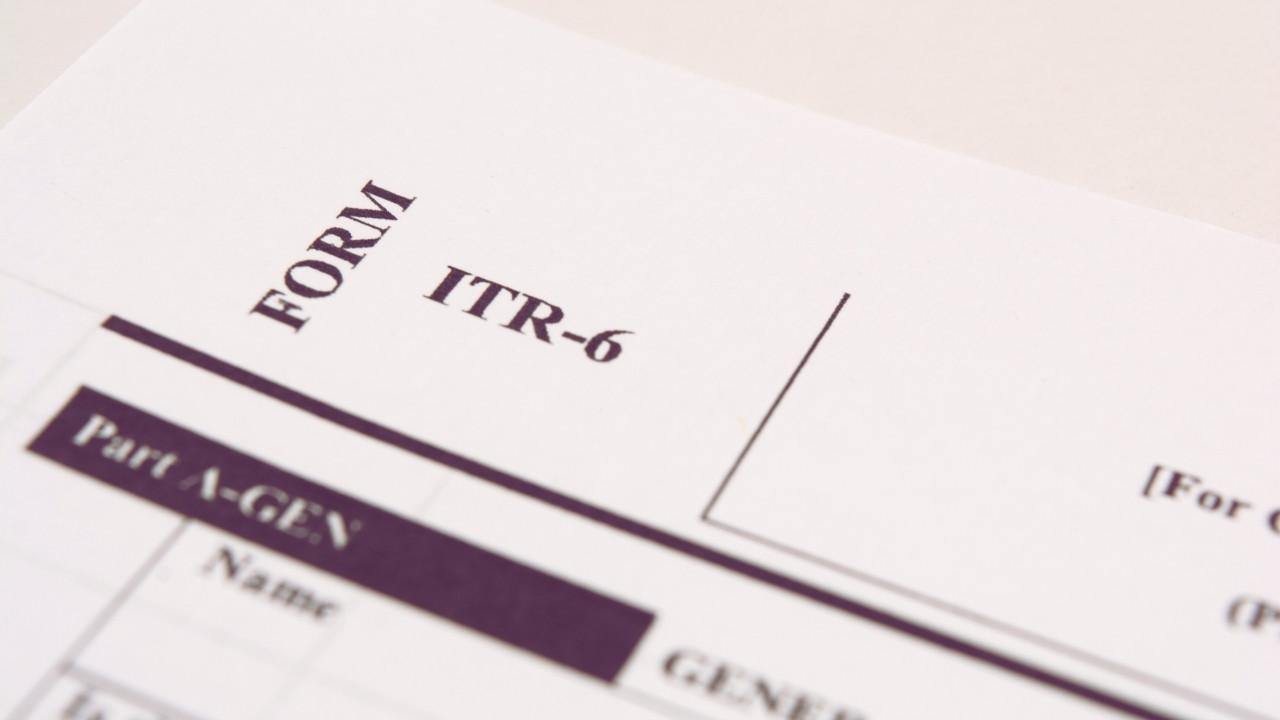
ITR-6: For companies other than those claiming exemptions under Section 11.
ITR-7: For entities like trusts, political parties, and charitable organizations.
Selecting the right form is essential to avoid rejection or compliance notices.
Before filing, gather all relevant documents:
PAN card and Aadhaar card
Form 16 (for salaried individuals)
Form 26AS (tax credit statement)
Bank account details
Investment proofs (under Section 80C, 80D, etc.)
Details of capital gains (if any)
Interest certificates from banks or post office
Records of advance tax or self-assessment tax paid
Being organized with these documents reduces errors and ensures smooth filing.
Though the online portals have simplified filing, many still find it confusing. Here’s a simplified guide:
Register/Login on the income tax e-filing portal.
Select the Assessment Year for which you are filing.
Choose the Correct ITR Form applicable to your income sources.
Fill in Personal Information like name, PAN, Aadhaar, and bank details.
Enter Income Details from all sources.
Claim Deductions under sections like 80C (investments), 80D (medical insurance), and others.
Compute Tax Liability using the portal’s auto-calculation tool.
Pay Remaining Tax (if any) and record challan details.
Review and Verify all entries carefully.
Submit the Return online.
E-Verify the Return using Aadhaar OTP, net banking, or other methods.
After verification, you’ll receive an acknowledgment, completing the process.
The advantages go far beyond avoiding penalties:
Acts as proof of income for loans, visas, and credit.
Enables faster processing of tax refunds.
Allows carry forward of losses for future tax benefits.
Helps in accurate financial planning.
Builds credibility and legal compliance.
Avoids penalties and legal consequences.
Filing regularly also makes you eligible for various government benefits and subsidies.
Many taxpayers end up with notices due to simple mistakes. Avoid:
Choosing the wrong ITR form.
Failing to report income from interest, rent, or foreign assets.
Incorrect bank details leading to refund delays.
Missing deadlines.
Not verifying the return after filing.
Careful attention and double-checking can prevent unnecessary hassles.
Ignoring ITR filing can be costly. Penalties include:
Late filing fees under Section 234F.
Interest on unpaid tax.
Loss of refund eligibility.
Prosecution in extreme cases of tax evasion.
Filing on time ensures peace of mind and financial security.
Salaried Employees: Simplified due to Form 16, but must include other income.
Business Owners: Need to maintain books of accounts and disclose turnover.
Freelancers: Must show income from professional work and claim related expenses.
Senior Citizens: Eligible for higher exemptions but still need to file if income exceeds limits.
Non-Residents: Must declare Indian income and may benefit from Double Taxation Avoidance Agreements (DTAA).
Each category has its own nuances, and understanding them ensures accurate filing.
With digitization, filing has become easier. E-filing portals, pre-filled forms, mobile apps, and online payment options have replaced long queues at tax offices. Artificial intelligence is even being integrated to detect discrepancies in returns, ensuring greater compliance.
The government is working toward making tax filing even more seamless with initiatives like faceless assessments, increased automation, and integration with other databases. The goal is to make compliance effortless while reducing the scope for errors and fraud.
This article is for informational purposes only. It simplifies complex tax provisions for general understanding and should not be considered professional financial or legal advice. Taxpayers are advised to consult qualified experts for individual cases.










Australia 50/3 After Bangladesh Bowled Out for 64 in Second Test
Australia reached 50/3 after Bangladesh were bowled out for 64 in the second Test, with Mitchell Sta

Jordan Burroughs Returns to Wrestling with 2028 Olympic Dream
Jordan Burroughs returns to wrestling with Real American Freestyle as the Olympic champion eyes a po

Lamborghini Catches Fire on Singapore's ECP, Causing Heavy Traffic
A Lamborghini caught fire on Singapore's ECP, causing heavy traffic and bus delays. No injuries were

Bangkok Airport Duty-Free Area Flooded by Pipe Burst
A burst water pipe flooded the duty-free shopping area at Bangkok's Suvarnabhumi Airport on July 16,

Nine Monks Killed in Thailand Pickup Truck Tragedy
An 11-year-old boy driving a pickup truck crashed into monks during a pilgrimage in northeastern Tha

Anwar Congratulates Xi on CPC's 105th Anniversary
Malaysia reaffirms strong ties with China as PM Anwar Ibrahim sends a congratulatory letter to Presi