You have not yet added any article to your bookmarks!
Join 10k+ people to get notified about new posts, news and tips.
Do not worry we don't spam!
Post by : Mikael Ariff
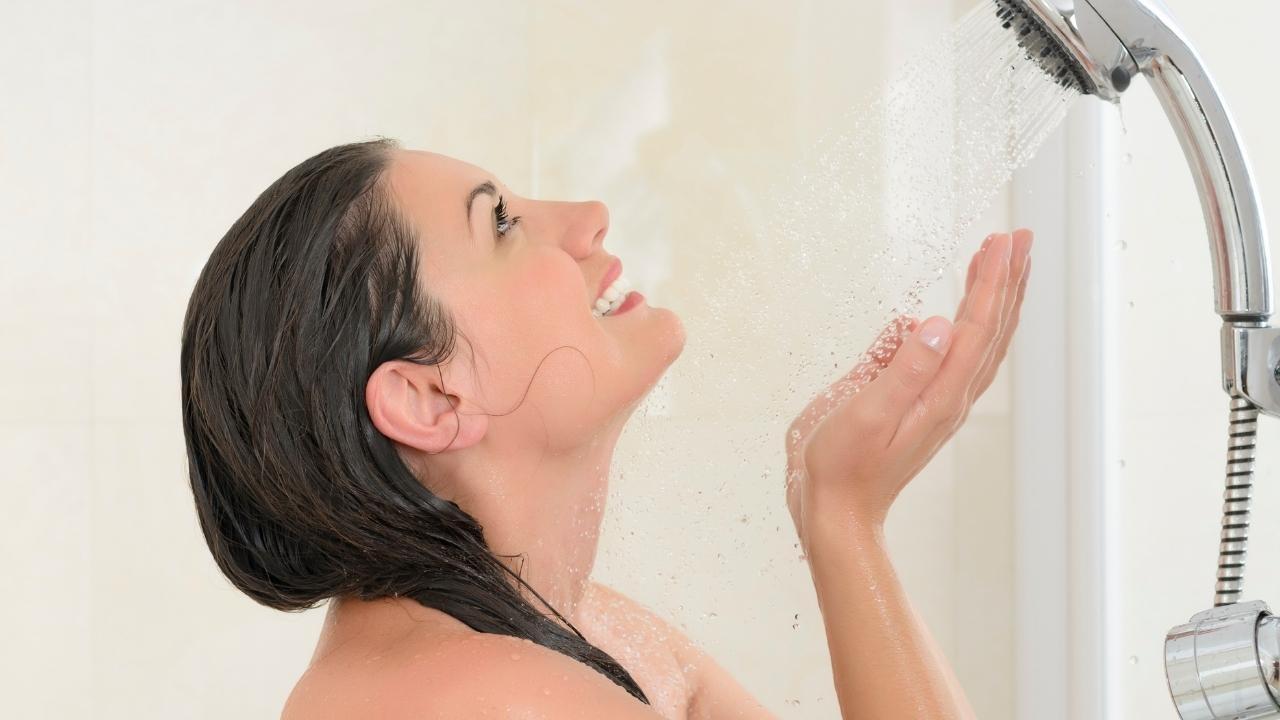
As temperatures drop, many bask in the warmth of a long, hot shower. It feels luxurious and comforting, especially on chilly mornings. However, the truth is that this soothing ritual might be inadvertently damaging your skin.
Dermatologists warn that one prevalent winter habit—taking excessively hot showers—can strip your skin of its essential oils, compromise its defenses, and leave it feeling parched, irritated, or itchy. Let’s delve into how this occurs and how to keep your skin healthy this winter.
Your skin has a natural protective barrier, comprised of oils, proteins, and fats, that retains moisture and fends off harmful external factors. However, cold weather can weaken this barrier due to:
Low humidity in cold air draws moisture from your skin.
Indoor heating exacerbates dryness, further robbing your skin of moisture.
Wind exposure accelerates the loss of natural oils.
By the time you step into a hot shower, your skin is already thirsty, and hot water can amplify the issue.
A hot shower might feel soothing after being outside, yet it can actually strip your skin of vital hydration.
Here’s what occurs:
Removal of Natural Oils
Your skin creates oils that keep it hydrated. Hot showers wash these away, leading to dryness and roughness.
Increased Moisture Loss
Hot water expands your pores, allowing moisture to escape quickly. Your skin might feel soft in the shower, but that doesn't last once you exit.
Weakening of Skin Barrier
Insufficient oils mean that your skin cannot defend itself effectively, leading to increased sensitivity, redness, and potential eczema.
Delayed Damage
Because hot water is pleasant, you may not realize the dryness until some hours later, when your skin begins to feel tight or itchy.
If you frequently indulge in long, hot showers, watch for these signs:
Your skin feels tight or rough post-shower.
Dry patches or flakiness appear on your arms and legs.
You notice itchiness during the night.
Winter exacerbates eczema or psoriasis.
Your skin appears dull and lacks luster.
These signs indicate it's time for a change in your shower habits.
While hot showers can relax your muscles and boost blood circulation, they simultaneously compromise your skin's moisture barrier.
This leads to a paradox where you temporarily feel warm and relaxed, but your skin's health deteriorates over time.
Fortunately, you don't have to forgo the pleasure of a shower; just implement some smarter habits:
Opt for Lukewarm Water
Ensure your water temperature is warm but not hot enough to redden your skin.
Limit Shower Duration
Limit showers to 10 minutes at most to prevent excessive moisture loss.
Select Gentle Cleansers
Use products designed for dry or sensitive skin, steering clear of harsh additives.
Moisturize Immediately
Apply lotion or cream within two minutes of showering; this helps lock in moisture.
Go for Rich Creams
Switch to thicker creams containing shea butter, ceramides, or glycerin during winter.
Incorporate Humidity Indoors
Using a humidifier can assist in maintaining skin hydration.
Choose Soft Fabrics
Wear cotton or gentle materials after your shower to avoid irritating your skin.
Weekly Exfoliation helps shed dead skin, but do so gently.
Stay Hydrated and eat lots of Omega-3 rich foods such as fish and nuts.
Always Use Sunscreen, even on cloudy days; UV rays can harm your skin.
For those living in dry areas like Dubai, winter may feel mild, but the air can still be very dehydrating. With many opting for hot showers, skin hydration may suffer even more.
Adapting your shower habits carries significant importance to keep your skin healthy all year long.
While hot showers seem indulgent, they can be detrimental during colder months. The solution?
👉 Enjoy shorter, lukewarm showers and moisturize promptly afterward.This simple adjustment can greatly enhance the appearance and feel of your skin during the winter months.
Q1. How hot should shower water be?
If it reddens your skin or creates excessive steam, it’s too hot. Aim for lukewarm water.
Q2. When should I moisturize after a shower?
Within two minutes is optimal for locking in moisture.
Q3. What kind of moisturizer is best?
Look for lotions with ceramides, glycerin, or shea butter to fortify your skin barrier.
Q4. Is it okay to shower twice daily in winter?
Yes, but keep them brief and use warm water, always moisturizing afterward.
Q5. Why do I itch post-hot shower?
This indicates dryness. Hot water can strip your natural oils. Lower the temperature and moisturize right away.
Enjoying a warm shower on a winter’s day is delightful, but your skin needs dedicated care. By lowering the water temperature, limiting shower duration, and applying moisturizer promptly, you can achieve both comfort and glowing skin throughout winter.
This article serves informational purposes only and is not a replacement for professional medical advice. For ongoing dryness, irritation, or skin conditions like eczema or psoriasis, please reach out to a qualified dermatologist for personalized support. Skin needs can vary based on individual health, climate, and lifestyle.









PSG Coach Luis Enrique Urges Players to Step Outside Comfort Zone
PSG coach Luis Enrique says players must leave their comfort zone and keep improving as the club tar

China’s Tiangong Sets New 400m Record at Robot Olympics
China’s Tiangong robot sets a new 400m record at the Robot Olympics, beating a South African robot i

George Russell Wins Dutch GP Sprint, Boosts Mercedes Morale
George Russell wins the Dutch GP Sprint from pole as Mercedes teammate Kimi Antonelli extends his F1

Australia 50/3 After Bangladesh Bowled Out for 64 in Second Test
Australia reached 50/3 after Bangladesh were bowled out for 64 in the second Test, with Mitchell Sta

Jordan Burroughs Returns to Wrestling with 2028 Olympic Dream
Jordan Burroughs returns to wrestling with Real American Freestyle as the Olympic champion eyes a po

Lamborghini Catches Fire on Singapore's ECP, Causing Heavy Traffic
A Lamborghini caught fire on Singapore's ECP, causing heavy traffic and bus delays. No injuries were