
You have not yet added any article to your bookmarks!
Join 10k+ people to get notified about new posts, news and tips.
Do not worry we don't spam!
Post by : Shweta
Recent military actions have sharply escalated tensions in the Middle East as the United States targeted Iranian installations, coinciding with reports of missile and drone strikes on Kuwait, amplifying fears of a larger conflict. This surge in military activity arises despite ongoing diplomatic endeavors aimed at averting a confrontation between Washington and Tehran.
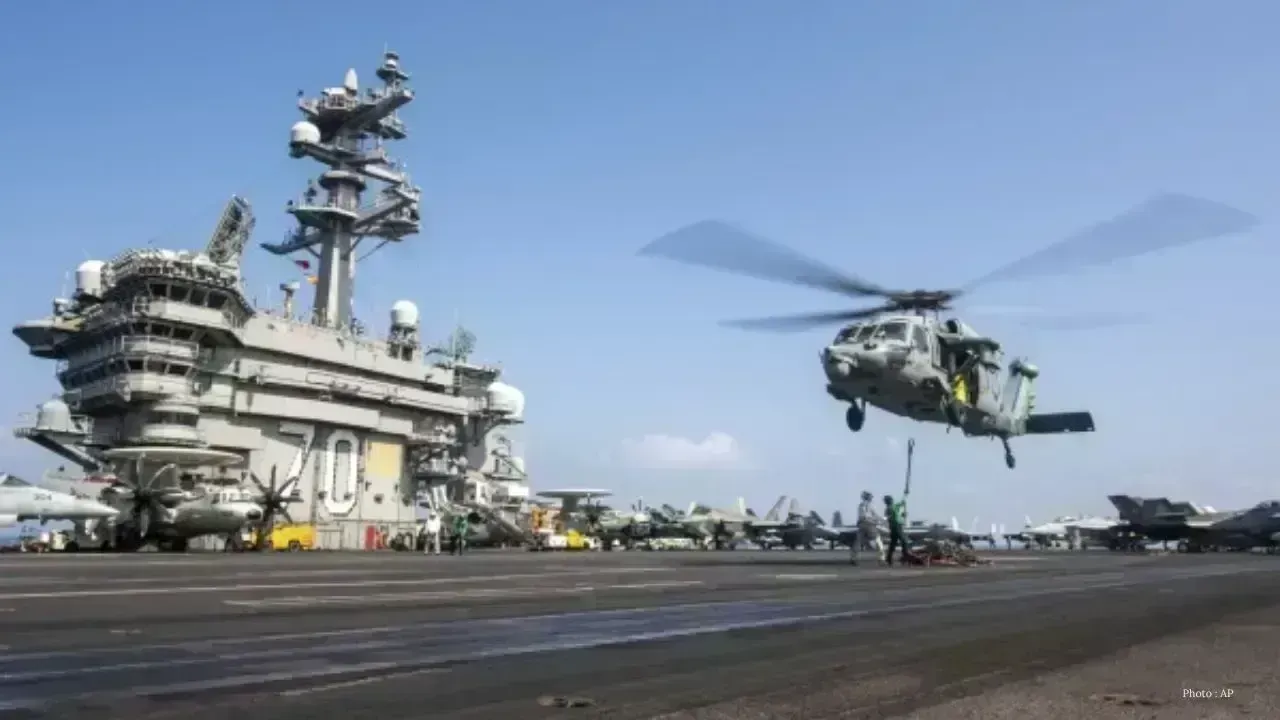
The U.S. military confirmed that its forces launched operations against Iranian radar and drone command sites after Iran reportedly shot down a U.S. MQ-1 Predator drone over international waters. U.S. Central Command described the strikes as a defensive maneuver, particularly focusing on sites near Goruk and Qeshm Island in response to Iranian aggression.
According to U.S. officials, fighter jets destroyed several air defense systems, a drone command station, and numerous hostile drones threatening regional shipping routes. They emphasized that no American personnel were harmed in these limited yet meticulously planned strikes.
Iran swiftly retaliated, asserting that it had launched counter-attacks. The Islamic Revolutionary Guard Corps (IRGC) confirmed this, stating that U.S. military facilities were targeted in response to American actions. Officials from Iran warned of robust responses to any further U.S. attacks.
In the immediate aftermath of these strikes, Kuwait activated its air defense systems to tackle incoming drones and missiles. While authorities reported hostile aerial activity early Monday, they did not specify who was behind the assault. Security experts suggest that this could be a reaction from Iran or actions by Iran-affiliated groups in the vicinity.
The situation raises significant alarms across the Gulf, which is home to numerous U.S. military bases and strategic installations. As a pivotal ally of Washington, Kuwait plays a crucial role in U.S. operations in the region, intensifying fears of broader instability as conflicts potentially spill over into Gulf nations.
This military escalation strikes during a fragile ceasefire, which has faced numerous violations. Despite recent diplomatic discussions between the U.S. and Iran, tangible progress towards a lasting agreement remains elusive due to ongoing disputes over Iran's nuclear program, sanctions, and regional security dynamics.
Crucially, the Strait of Hormuz, which is vital for global oil shipments, continues to be a focal point of the crisis, with Iran exerting significant control over the area. Disruptions here have already impacted energy markets and are causing a rise in oil prices, as analysts warn that prolonged military engagement could have broader economic repercussions.
The complexity of the situation is amplified by other regional conflicts, including ongoing strife between Israel and Hezbollah in Lebanon, with diplomatic efforts facing increasing pressures. There are rising concerns among regional leaders that these various conflicts could intertwine, leading to a heightened security crisis across the Middle East.
While U.S. President Donald Trump maintains optimism about a possible agreement, military actions continue, causing Iranian officials to accuse Washington of mixed messaging regarding its dual approach of diplomacy alongside military operations. Both sides profess commitment to negotiation, yet recent events illustrate the precarious nature of their interactions.
International appeals for restraint are mounting, with various nations advocating for de-escalation and renewed diplomatic efforts to curb further violence. The United Nations and regional bodies are closely observing developments amidst concerns that any additional strikes could ignite a wider conflict involving multiple nations.
As it stands, military forces throughout the region remain on high alert. While negotiations between the U.S. and Iran have not entirely broken down, the recent strikes underscore the fragility of the situation. With ongoing military operations coinciding with diplomatic discussions, the upcoming days are critical for determining whether tensions can be supressed or if the region is headed towards further conflict.
#Breaking News #Iran News #Strait of Hormuz #Iran War #World News










PM Modi Pays Tribute to Mahatma Gandhi, Urges People to Support Khadi
PM Modi pays tribute to Mahatma Gandhi on Gandhi Jayanti and urges citizens to support Khadi and the

Amazon Seeks to Offload $8 Billion in Nvidia Chips to Investors
Amazon plans to move $8 billion in Nvidia chips to investors, using a new financing model to strengt

Samsung Raises Galaxy S26 Prices as Memory Chip Costs Rise
Samsung raises Galaxy S26 prices in South Korea as rising memory chip costs put pressure on smartpho

Lewis Hamilton Calls Singapore Grand Prix One of F1's Toughest Races
Lewis Hamilton discusses the demanding Singapore Grand Prix and brings Plus44 and Almave to Singapor

Denmark's Pandora Opens World's Largest Jewellery Factory in Vietnam
Pandora opens its largest jewellery factory in Vietnam, expanding global production, strengthening s

Gautam Gambhir Questions Batting-Friendly Pitches After India's Record ODI Chase
Gautam Gambhir questions batting-friendly ODI pitches after India’s record chase, calling for a bett

