You have not yet added any article to your bookmarks!
Join 10k+ people to get notified about new posts, news and tips.
Do not worry we don't spam!
Post by : Shweta
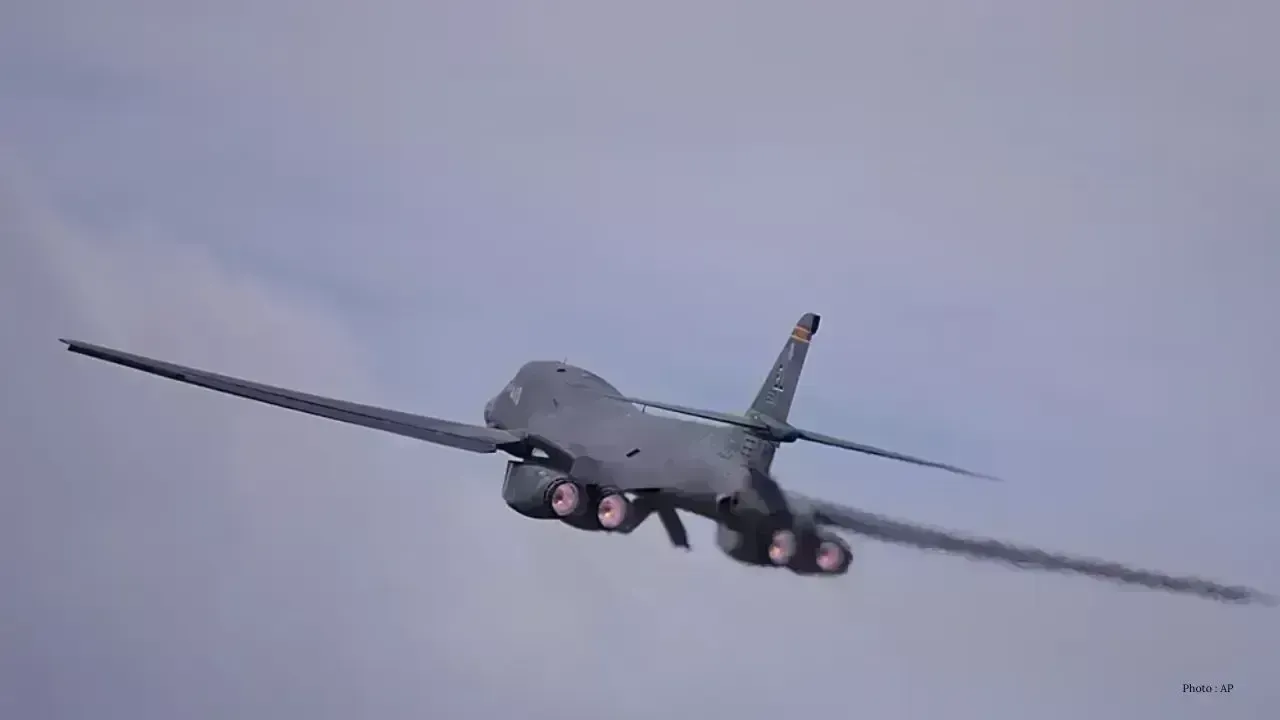
In a significant escalation, the United States military has executed another series of strikes against Iranian targets shortly after previous military operations, further straining an already delicate diplomatic dialogue between Washington and Tehran. This action follows President Donald Trump’s mounting frustration regarding stalled negotiations with Iran, indicating that the White House's patience is waning.
U.S. officials report that these so-called “defensive strikes” were launched against Iranian military assets near the Strait of Hormuz after U.S. forces detected hostile Iranian drones. Recent reports indicate that U.S. Central Command intercepted four Iranian drones in proximity to vital shipping lanes and subsequently targeted a drone command center in Bandar Abbas, allegedly gearing up to deploy another drone.
The Strait of Hormuz is crucial for global oil transit, with a vast share of the world’s oil shipments relying on this narrow channel. Heightened military tensions in this part of the world have immediate repercussions for global oil prices, shipping logistics, and broader international security standards. Following these recent actions, analysts voiced renewed concerns over oil price stability and the overall security in the Gulf.
In response, Iran has vehemently condemned the U.S. strikes, asserting that they violate existing ceasefire agreements from recent conflicts. Iranian authorities characterized the strikes as overtly aggressive, reaffirming their commitment to defend their territory against further assaults. Subsequent reports from Iranian media indicated potential retaliatory strikes targeting U.S.-related positions in the region.
During a Cabinet meeting, President Trump reinforced the pressure, stating that Iran was merely “negotiating on fumes” due to its economic distress, fueled by sanctions and military setbacks. He asserted that the U.S. would not succumb to political pressures for a subpar agreement as negotiations unfold.
The administration, while keen to prevent any alarming expansion of Iran’s nuclear ambitions, is also intent on safeguarding commercial maritime routes and U.S. forces stationed in the Middle East. However, Trump expressed candidly that negotiations continue to face hurdles and military options remain viable if diplomatic efforts do not yield favorable outcomes.
Despite the rising military provocations, diplomatic channels are not entirely closed. Reports indicate that regional mediators, notably from Oman, are still engaging in efforts to ease tensions and avert broader conflict. However, experts caution that recent military exchanges have made a swift resolution increasingly complex.
Political analysts note that the current scenario underscores the deepening challenges for both the U.S. and Iran. Washington seeks tighter controls over Iranian nuclear and military operations, while Iran demands sanctions relief and acknowledgment of its regional stature as preconditions for meaningful agreement.
This ongoing conflict has raised alarms among U.S. allies and affected global energy markets. Countries in the region are now intensifying surveillance of maritime traffic, apprehensive that ongoing military altercations could jeopardize international trade and crude oil supplies.
Defense analysts caution that even minor strikes could swiftly escalate if retaliatory measures persist from either side. The risk remains high owing to U.S. military facilities, naval operations, and commercial traffic throughout the area.
As silent diplomatic maneuvers continue, the latest military actions illustrate the precarious climate between the U.S. and Iran, with both sides in a volatile standoff, calling for restraint while the international community scrutinizes for signs of either escalation or renewed negotiations.
#Global News #Breaking News #US News #Strait of Hormuz #Iran War #World News







APEC Members Emphasise Safe and Responsible Use of Artificial Intelligence
APEC members discuss responsible AI use, digital innovation and data governance as China and the US

Union of European Clubs Challenge UEFA and EFC Over EU Competition Rules
UEC files an EU competition complaint against UEFA and EFC, challenging club representation, governa

Mohammed Shami Retires From Test Cricket, Eyes White-Ball Career
Mohammed Shami retires from Test cricket after 13 years, with 229 wickets. He will continue playing

Singapore Warns Users About Privacy and Security Risks of AI Agents
Singapore warns users about AI agent security risks, data privacy, online scams and unauthorised acc

Chris Lynn Completes One-Month Ban After Positive Cocaine Test
Australian cricketer Chris Lynn completes a one-month ban after a positive cocaine test during the T
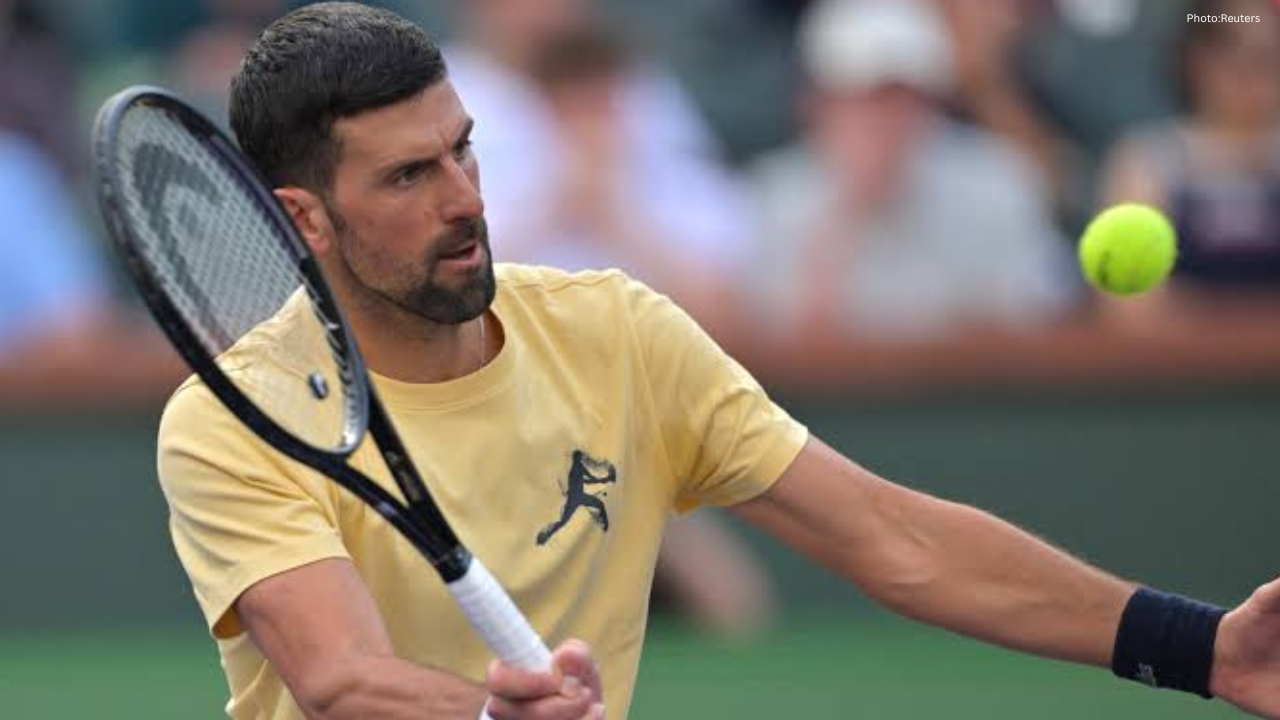
Djokovic Eyes Strong Season Finish as Health Improves Ahead of Paris Masters
Novak Djokovic reports improved health and performance as he targets a strong Paris Masters finish a