
You have not yet added any article to your bookmarks!
Join 10k+ people to get notified about new posts, news and tips.
Do not worry we don't spam!
Post by : Badri Ariffin
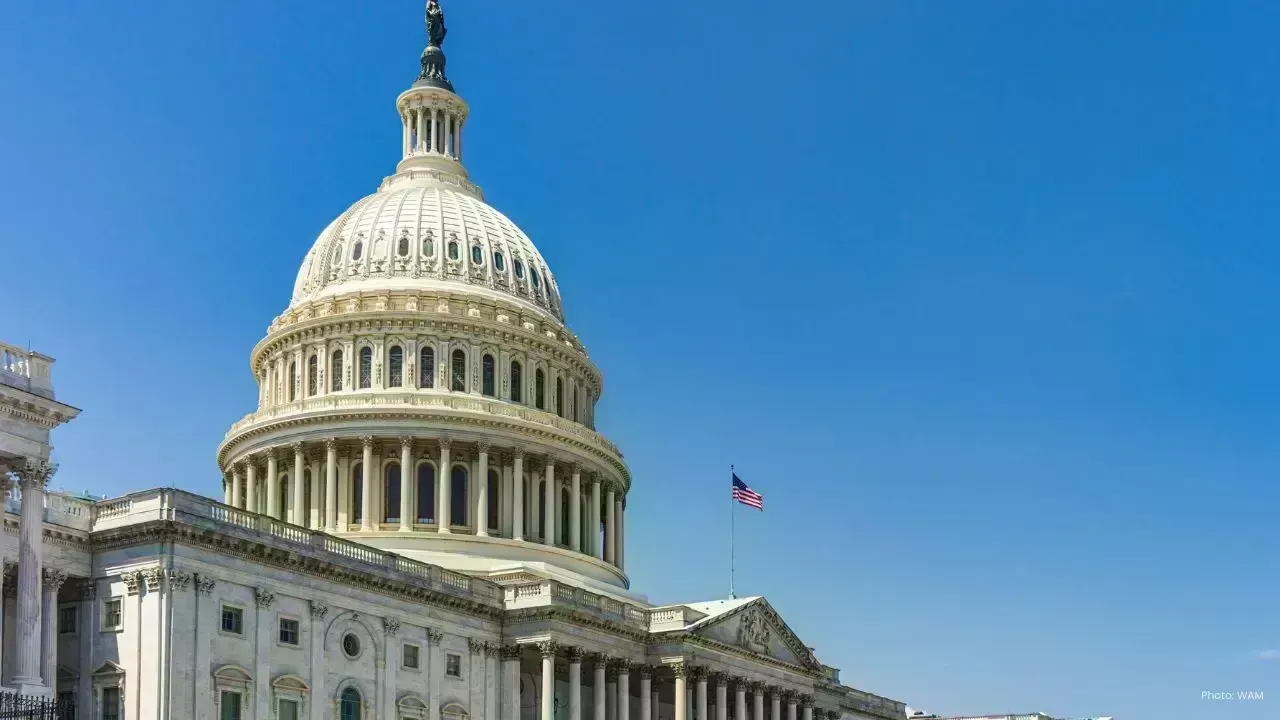
On Wednesday, the United States Senate supported a substantial defense policy bill that permits the Department of Defense to utilize $900.6 billion in the upcoming 2026 fiscal year. Formally recognized as the 2026 National Defense Authorization Act (NDAA), this legislation details how funds may be allocated for defense initiatives, service personnel compensation, weaponry systems, research, and various other national security measures.
Following extensive discussions and negotiations in Congress, the Senate passed the bill with a decisive 77–20 vote, reflecting bipartisan consensus on its significance for national security. The House of Representatives had unanimously approved the bill earlier on December 10, and now it awaits President Donald Trump's signature, which he has indicated he will provide. Upon his endorsement, the NDAA will be enacted into law.
Key Elements of the $900.6 Billion Budget
This significant financial allocation will support various essential areas:
1. Military Operations and Readiness
A substantial portion of the allocated funds will go toward ensuring the operational readiness of the US Armed Forces, which includes:
training exercises
deployment support
equipment maintenance
logistics and supplies
This commitment helps the US forces remain vigilant and prepared against global threats and emergencies.
2. Advancements in Weapon Systems and Technology
The bill prioritizes the enhancement and development of modern military technologies, potentially including:
next-generation aircraft
missile defense systems
naval vessels
cybersecurity innovations
research in artificial intelligence
This strategy aims to maintain the US military’s edge over adversaries, such as China and Russia.
3. Compensation for Troops and Benefits
The Act focuses on the welfare of military personnel, offering provisions for:
salary improvements
healthcare packages
housing assistance
support for veterans' programs
These measures ensure service members and their families receive necessary financial and healthcare support.
4. Global Security and Alliances
Funds from the budget will also enhance:
global security partnerships
international defense collaborations
NATO commitments
peacekeeping initiatives
The US intends to solidify strategic partnerships and bolster its standing in critical regions like Europe and Asia.
Importance of This Legislation
Annually, Congress passes a defense authorization bill, which serves as a cornerstone policy for national security, as it:
establishes military expenditure limits
determines budget allocation priorities
sets the agenda for national defense strategy
revises military regulations
The 2026 bill comes with added weight due to increasing global tensions, advancements in technology, and the imperative to safeguard national interests.
Bipartisan Endorsement in the Senate
The robust 77–20 vote showcases the unity of both major parties on the priority of defense. Despite some disagreements on specific policies, the ultimate vote reflects a consensus on the necessity of a strong military presence.
Supporters of the bill argue it is essential for:
securing national safety
upholding military capabilities
advancing defense technologies
providing for service members and veterans
Those against it voiced concerns mainly about the expenditure levels or specific policy aspects.
Anticipated Presidential Endorsement of the NDAA
The next phase involves President Donald Trump, who has affirmed his intention to sign the bill, thus officially making it law.
Upon signing, the Department of Defense will commence planning and fund distribution for the 2026 fiscal year.
Implications for US National Security
The passage of this bill conveys several critical messages:
a commitment to robust national defense
a priority on military modernization
assured support and benefits for troops and veterans
the significance of global alliances
This also highlights that despite political divergences, lawmakers can collaborate on national security issues.
Next Steps Following the Bill’s Approval
Once the President authorizes the bill:
funds will be distributed to various departments
new defense initiatives will commence
support will continue for existing programs
troop benefits will be implemented
The legislation will also set the groundwork for defense planning in the years to come.
The US Senate’s endorsement of the $900.6 billion defense budget for 2026 marks a pivotal moment in shaping the nation's defense directives. The bipartisan backing illustrates a strong national will to uphold security and enhance military capabilities. With President Trump poised to sign the bill imminently, the United States is gearing up for a future centered on technological advancements, operational preparedness, and international collaboration.
This monumental budget reinforces the commitment to maintaining a strong and capable US military that can effectively address global challenges in the years ahead.









Josh Kerr and Jakob Ingebrigtsen Set for 1,500m Rivalry Rematch
Josh Kerr and Jakob Ingebrigtsen will renew their 1,500m rivalry at the Ultimate Championship in Bud

PSG Coach Luis Enrique Urges Players to Step Outside Comfort Zone
PSG coach Luis Enrique says players must leave their comfort zone and keep improving as the club tar

China’s Tiangong Sets New 400m Record at Robot Olympics
China’s Tiangong robot sets a new 400m record at the Robot Olympics, beating a South African robot i

George Russell Wins Dutch GP Sprint, Boosts Mercedes Morale
George Russell wins the Dutch GP Sprint from pole as Mercedes teammate Kimi Antonelli extends his F1

Australia 50/3 After Bangladesh Bowled Out for 64 in Second Test
Australia reached 50/3 after Bangladesh were bowled out for 64 in the second Test, with Mitchell Sta

Jordan Burroughs Returns to Wrestling with 2028 Olympic Dream
Jordan Burroughs returns to wrestling with Real American Freestyle as the Olympic champion eyes a po

