You have not yet added any article to your bookmarks!
Join 10k+ people to get notified about new posts, news and tips.
Do not worry we don't spam!
Post by : Saif Rahman
The United States has intensified its stance against Venezuela by intercepting two oil tankers in the Atlantic, one of which was flagged under Russia. This initiative is part of President Donald Trump’s broader strategy to regulate oil movements in the Americas and realign Venezuela’s energy framework according to U.S. interests. This bold action has sent ripples through the international energy market and raised alarm among major global powers.
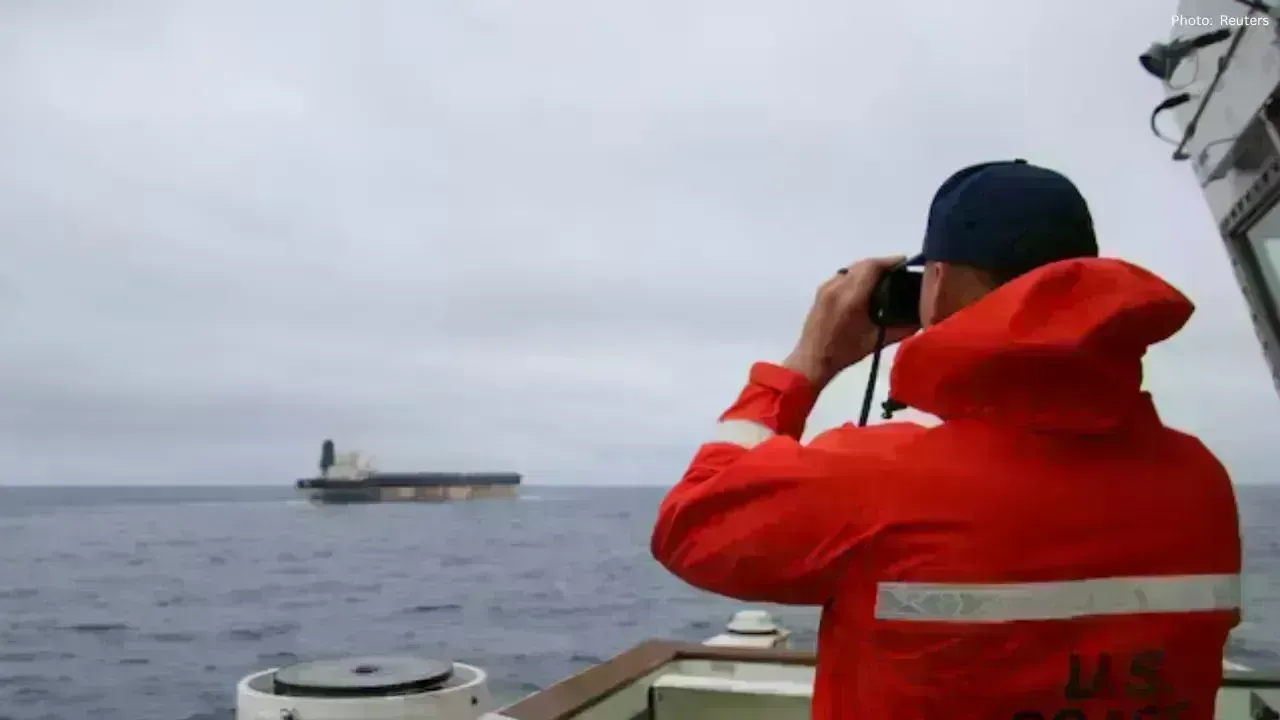
Officials from the US reported that the Coast Guard, along with military special forces, intercepted the tanker known as Marinera, formerly Bella-1, after a meticulous pursuit across the Atlantic. The ship had attempted to avoid boarding and then changed its registration to Russia, which US officials stated was an effort to bypass sanctions. At the time of seizure, the tanker was empty, but authorities contend it was linked to a covert operation for transporting sanctioned oil.
Additionally, US forces seized another vessel, the M Sophia, laden with Venezuelan oil and operating under the Panamanian flag. This marked the fourth seizure in a series of operations, illustrating US determination in enforcing sanctions on Venezuelan maritime oil transport.
These developments follow a significant US military operation in Caracas, which led to the detention of Venezuelan President Nicolas Maduro, accused of drug trafficking and collaborating with US adversaries. Maduro has rejected these allegations and maintains his innocence in a US court, yet his capture has fundamentally shifted Venezuela's political landscape and intensified global discussions.
The Trump administration has indicated that Venezuelan oil exports will now be permitted only under US legal and security stipulations. The White House also revealed plans to selectively ease some sanctions imposed during Trump’s administration. Officials state that this is aimed at revitalizing Venezuela’s oil sector to benefit the US and create opportunities for American businesses.
President Trump has declared intentions to refine and sell up to 50 million barrels of Venezuelan oil currently under sanctions, with the proceeds intended to allow Venezuela to purchase American products, such as food and medicines. Critics argue that this strategy represents an aggressive control over another nation's resources.
The seizure of a tanker under Russia’s flag has sparked fears of escalated conflict. US officials confirmed that Russian naval vessels were operating in proximity during the interception. Russia has vocally condemned US interventions in Venezuela, while China, Venezuela’s largest oil buyer, has accused Washington of coercion and an abuse of power.
Chinese representatives emphasized that the US should not dictate Venezuela's oil transactions and warned that military force to control energy supplies sets a precarious precedent. Additionally, China, Russia, and several left-leaning governments have denounced the US for apprehending a sitting leader, arguing that it undermines international norms and may destabilize global relations.
Domestically, this policy has sparked significant political discourse. Congress was briefed behind closed doors by senior administration officials, yet some lawmakers expressed deep reservations. Democratic leaders accused the administration of seeking to dominate Venezuela's oil to bolster control, cautioning that such measures could lead to prolonged instability.
Following these announcements, global oil prices decreased as markets responded to the potential influx of oil supplies. However, analysts caution that Venezuela’s oil sector has suffered extensively from years of neglect and mismanagement, projecting that recovery will be gradual. American oil companies are reportedly wary and require substantial assurances before engaging in the Venezuelan market.
The political landscape in Venezuela remains fragmented. Reports suggest numerous fatalities occurred during the operation that captured Maduro. His supporters still hold substantial power in the government, while Acting President Delcy Rodriguez is striving to manage public discontent alongside negotiations pertaining to a potential oil agreement with the US.
Venezuela's state oil company, PDVSA, has acknowledged ongoing negotiations with the US, insisting that any arrangement must adhere to legal, transparent, and fair commercial standards. Rodriguez has stated that Venezuela is amenable to energy collaboration if it serves mutual interests, hinting that despite existing tensions, both nations may be inching toward a complex new relationship.
The actions surrounding these oil tankers signify a pivotal moment in global energy dynamics. The US is increasingly resorting to direct interventions rather than solely relying on sanctions or diplomacy to determine who can trade oil and to whom it can be sold. Advocates assert that this safeguards American interests, while detractors caution that it risks generating global unrest.
What remains clear is that oil continues to serve as a formidable instrument in international affairs. The unfolding events in Venezuela highlight the intricate connections among energy, military power, and diplomacy, with implications that could reshape the exercise of influence within the global energy landscape.
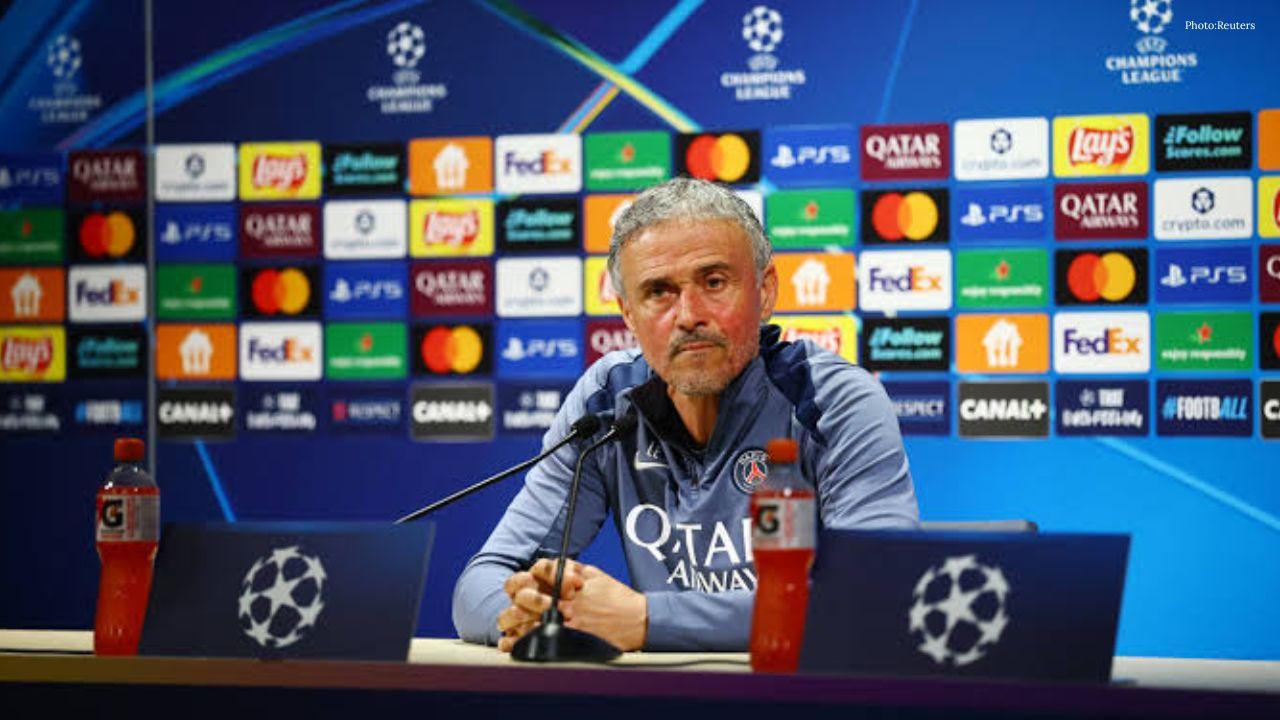




PSG Coach Luis Enrique Urges Players to Step Outside Comfort Zone
PSG coach Luis Enrique says players must leave their comfort zone and keep improving as the club tar

China’s Tiangong Sets New 400m Record at Robot Olympics
China’s Tiangong robot sets a new 400m record at the Robot Olympics, beating a South African robot i

George Russell Wins Dutch GP Sprint, Boosts Mercedes Morale
George Russell wins the Dutch GP Sprint from pole as Mercedes teammate Kimi Antonelli extends his F1

Australia 50/3 After Bangladesh Bowled Out for 64 in Second Test
Australia reached 50/3 after Bangladesh were bowled out for 64 in the second Test, with Mitchell Sta

Jordan Burroughs Returns to Wrestling with 2028 Olympic Dream
Jordan Burroughs returns to wrestling with Real American Freestyle as the Olympic champion eyes a po

Lamborghini Catches Fire on Singapore's ECP, Causing Heavy Traffic
A Lamborghini caught fire on Singapore's ECP, causing heavy traffic and bus delays. No injuries were