You have not yet added any article to your bookmarks!
Join 10k+ people to get notified about new posts, news and tips.
Do not worry we don't spam!

Post by : Shakul
The United Kingdom’s media regulator Ofcom has accused TikTok and YouTube of failing to introduce meaningful protections to keep children safe online. The regulator said millions of young users in Britain continue to face harmful and unsafe content through recommendation systems on major social media platforms.
According to Ofcom, personalised recommendation feeds remain one of the biggest sources of harmful material exposure among children aged between 11 and 17. The regulator stated that both TikTok and YouTube have not introduced major new commitments or effective safety measures despite repeated concerns from authorities and child safety groups.
The warning comes as governments around the world increase pressure on technology companies to improve online safety standards for minors. British Prime Minister Keir Starmer has also urged social media companies to take greater responsibility for protecting children from addictive platform features and dangerous content online.
Research conducted by Ofcom revealed that nearly 73 percent of children between the ages of 11 and 17 were exposed to harmful online content over a four-week period. TikTok was reportedly the platform most commonly linked to harmful content exposure, followed by YouTube, Instagram, and Snapchat.
Ofcom also criticised weak enforcement of minimum age requirements on social media platforms. Officials said many children below the required minimum age continue to access online services without proper restrictions. The regulator noted that 84 percent of children aged eight to twelve are using platforms officially meant for users aged 13 and above.
TikTok and YouTube defended their current safety systems after the criticism. YouTube stated that it already provides strong age-appropriate protections for younger audiences and works closely with child safety experts. TikTok said Ofcom had failed to recognise both existing and recently introduced safety features on the platform.
Meanwhile, several other technology companies including Meta, Snap, and Roblox have agreed to strengthen child safety protections following earlier demands from Ofcom. These measures include stricter messaging controls, expanded age verification systems, and artificial intelligence tools designed to identify suspicious online behaviour.
Ofcom also called on the British government to strengthen existing online safety laws. The regulator believes current legislation does not clearly force social media companies to remove underage users or fully protect children from harmful digital experiences. Discussions are also ongoing in Britain regarding possible restrictions on social media access for users under the age of 16.

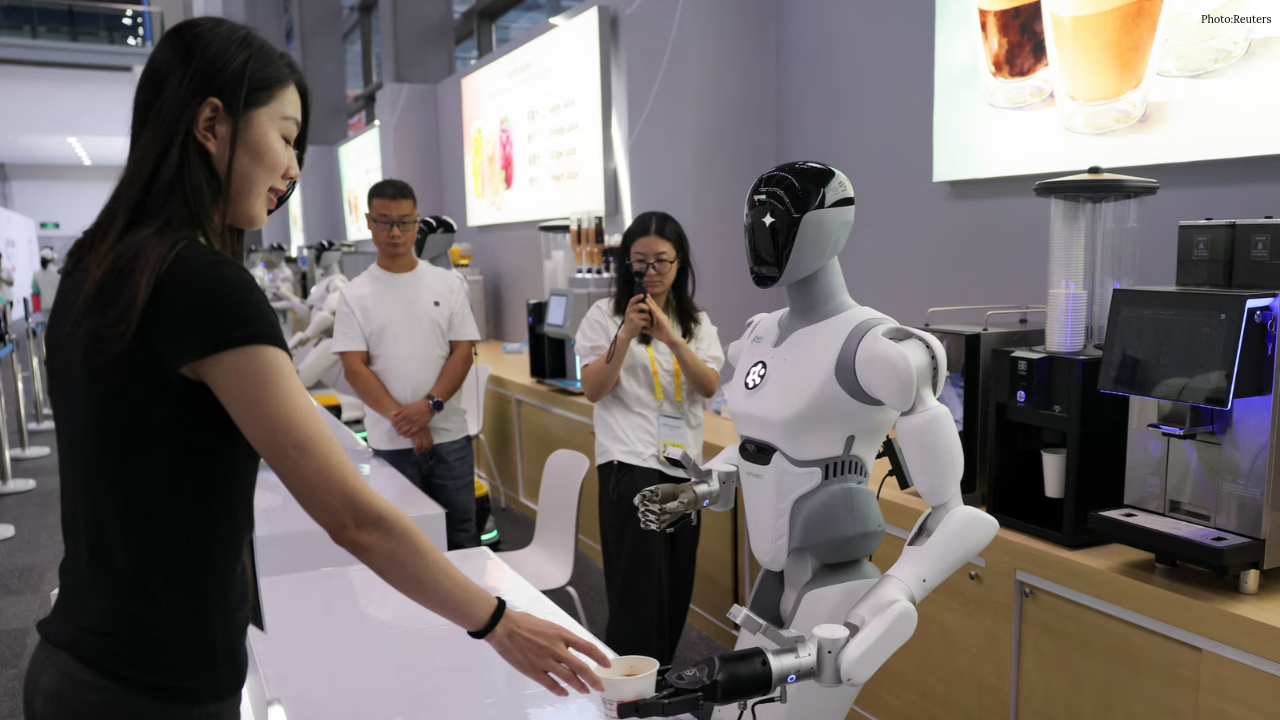





APEC Members Emphasise Safe and Responsible Use of Artificial Intelligence
APEC members discuss responsible AI use, digital innovation and data governance as China and the US

Union of European Clubs Challenge UEFA and EFC Over EU Competition Rules
UEC files an EU competition complaint against UEFA and EFC, challenging club representation, governa

Mohammed Shami Retires From Test Cricket, Eyes White-Ball Career
Mohammed Shami retires from Test cricket after 13 years, with 229 wickets. He will continue playing

Singapore Warns Users About Privacy and Security Risks of AI Agents
Singapore warns users about AI agent security risks, data privacy, online scams and unauthorised acc

Chris Lynn Completes One-Month Ban After Positive Cocaine Test
Australian cricketer Chris Lynn completes a one-month ban after a positive cocaine test during the T
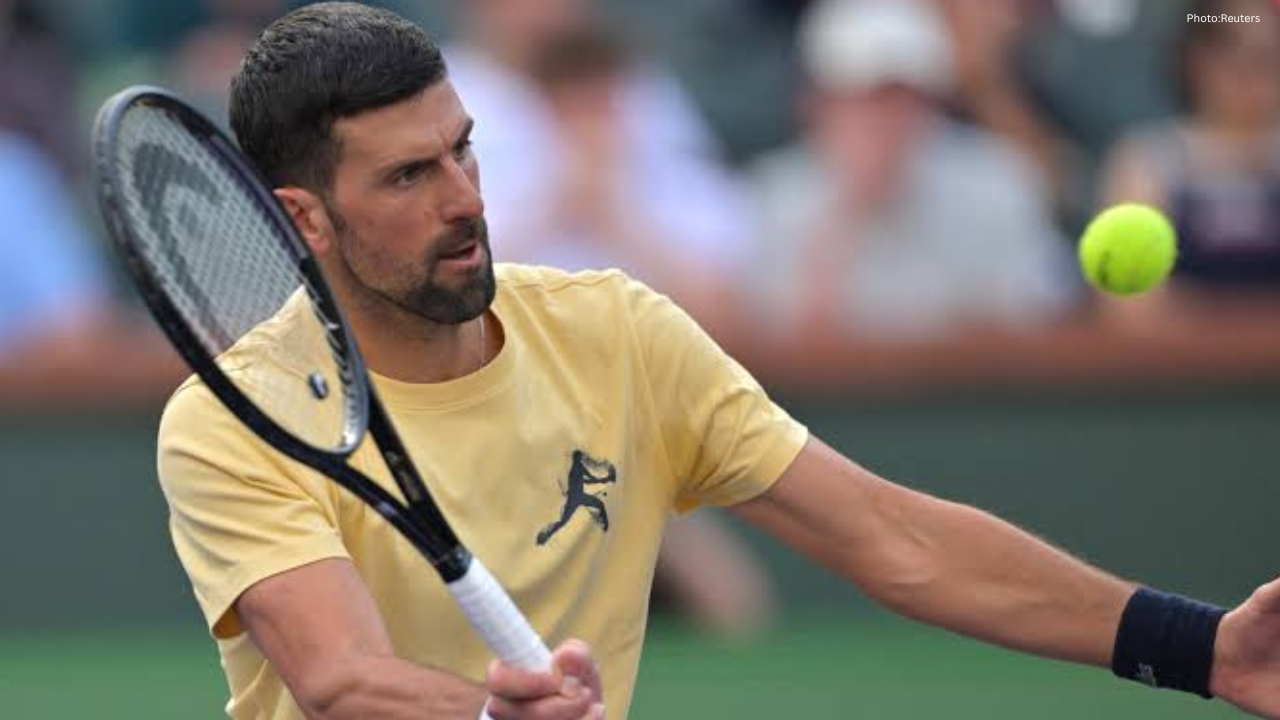
Djokovic Eyes Strong Season Finish as Health Improves Ahead of Paris Masters
Novak Djokovic reports improved health and performance as he targets a strong Paris Masters finish a