
You have not yet added any article to your bookmarks!
Join 10k+ people to get notified about new posts, news and tips.
Do not worry we don't spam!
Post by : Saif Rahman
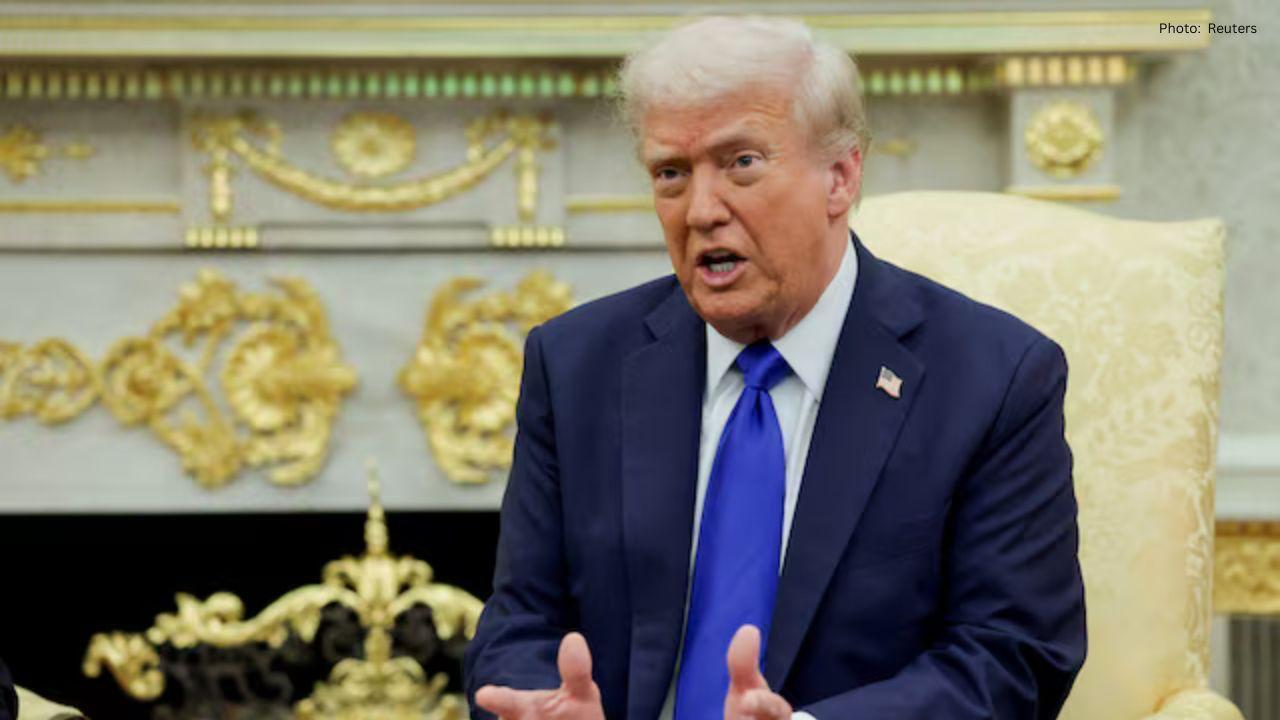
President Donald Trump’s quest to alter Indiana’s congressional boundaries has reached a pivotal stage. The Indiana Senate is poised for a vote on Thursday regarding a revamped political map that could bolster the Republican grip on the U.S. House. Yet, despite Trump’s influence, the outcome remains uncertain.
With a significant 40–10 majority, Republicans dominate the Indiana Senate. However, several GOP senators have voiced their discomfort with the proposed mid-decade redistricting plan—an unusual move to change district lines midway through the decade. Senate leader Rodric Bray himself has raised concerns. The Republican caucus can only afford 15 dissenting votes, amplifying the internal opposition.
The map, which has already received approval in the Indiana House, is likely to secure all nine U.S. House seats for Republicans during the upcoming midterm elections. For Trump, this would represent a considerable political victory, as he aims for GOP control of Congress. The alterations to district lines are designed to undermine the two seats held by Democrats, notably by dividing Indianapolis into four districts to potentially erode Democratic support.
Trump is vigorously advocating for the proposal, warning Republican senators about the possibility of supporting challengers should they not back the new map. This direct influence underscores how vital the matter is to him as part of his broader political strategy. Initially, Bray hesitated to arrange a vote, citing insufficient support. However, continued advocacy led him to convene the Senate to evaluate the plan.
Typically, redistricting occurs every ten years in conjunction with the release of new U.S. Census data. This year, however, Trump initiated a trend by urging Texas Republicans to expedite their mapping process. This adjustment, which aimed at several Democratic representatives, sparked a nationwide wave of similar redistricting initiatives.
In response, California Democrats crafted their own map aimed at flipping five Republican seats, gaining voter approval in November. Other states, irrespective of party affiliation, have initiated similar changes to their political boundaries.
Nonetheless, the process has not been seamless everywhere. In both Indiana and Kansas, redistricting initiatives have encountered significant pushback from within the ruling party. In Maryland, Democratic divisions arise over advancing a new map.
The political tension surrounding Indiana's redistricting underscores the complexities involved in altering district boundaries. For some legislators, it is about party control, while for others, it concerns fairness, stability, and maintaining order during a decade.
The forthcoming vote in the Indiana Senate will serve as a litmus test for Trump’s ability to navigate dissent within his ranks. A failure of the plan would mark a considerable setback in his efforts to reshape Congressional maps nationwide. Conversely, a successful passage would reinforce Republican dominance in Washington and escalate the national discourse surrounding redistricting.
As Indiana senators gear up for the decisive vote, it is evident that the discussion extends beyond mere geographical lines; it significantly affects the future political landscape of the United States.








Josh Kerr and Jakob Ingebrigtsen Set for 1,500m Rivalry Rematch
Josh Kerr and Jakob Ingebrigtsen will renew their 1,500m rivalry at the Ultimate Championship in Bud

PSG Coach Luis Enrique Urges Players to Step Outside Comfort Zone
PSG coach Luis Enrique says players must leave their comfort zone and keep improving as the club tar

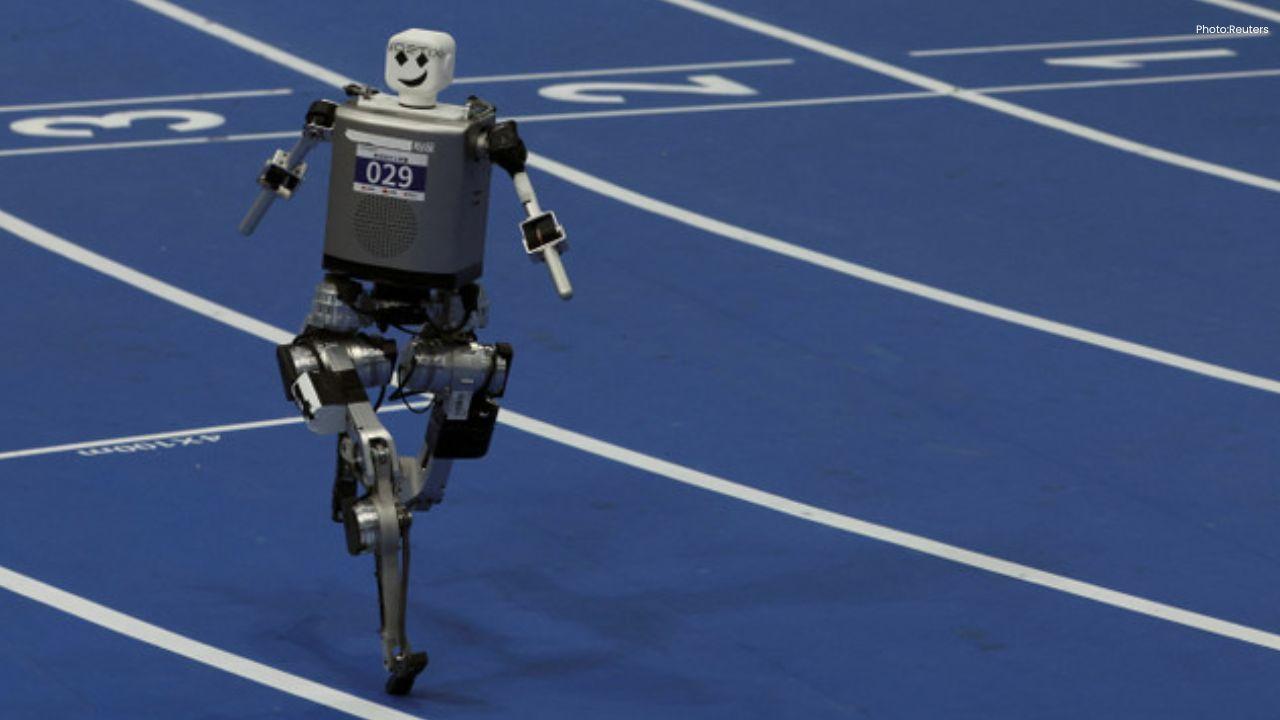
China’s Tiangong Sets New 400m Record at Robot Olympics
China’s Tiangong robot sets a new 400m record at the Robot Olympics, beating a South African robot i

George Russell Wins Dutch GP Sprint, Boosts Mercedes Morale
George Russell wins the Dutch GP Sprint from pole as Mercedes teammate Kimi Antonelli extends his F1

Australia 50/3 After Bangladesh Bowled Out for 64 in Second Test
Australia reached 50/3 after Bangladesh were bowled out for 64 in the second Test, with Mitchell Sta

Jordan Burroughs Returns to Wrestling with 2028 Olympic Dream
Jordan Burroughs returns to wrestling with Real American Freestyle as the Olympic champion eyes a po

