
You have not yet added any article to your bookmarks!
Join 10k+ people to get notified about new posts, news and tips.
Do not worry we don't spam!
Post by : Anis Farhan
Most people associate sickness with obvious signals — fever, pain, weakness, or visible discomfort. We rely on symptoms as our body’s way of screaming for help.
But some diseases don’t scream.
They whisper.
In fact, they often say nothing at all — until damage is advanced and treatment becomes complicated.
These conditions slowly attack the heart, kidneys, liver, brain, or blood vessels without disrupting daily life in the beginning. You go to work. You exercise. You eat normally. You sleep just fine. All while disease quietly advances beneath the surface.
This is what makes silent illnesses so dangerous.
They do not interrupt your routine.
They do not announce themselves loudly.
They do not beg for attention.
They simply wait.
This article reveals five of the most dangerous “silent killer” diseases that affect millions worldwide — often undetected — and the doctor questions that can expose them before they steal years from your life.
Silent killer diseases share three traits:
They cause little or no pain in early stages
They progress slowly and steadily
They damage vital organs irreversibly if ignored
Because there’s no immediate discomfort, people delay checkups. Because mental alarming signs are absent, small warnings are ignored. And because modern life keeps people busy, prevention gets postponed again and again.
Until the body collapses — suddenly and dramatically.
High blood pressure causes no pain. No weakness. No daily discomfort.
But it steadily damages:
Heart muscle
Arteries
Kidneys
Brain
Eyes
Millions live with dangerously high readings while believing everything is fine.
When blood pressure stays high:
Blood vessel walls weaken
Heart enlarges unnaturally
Blood flow to the brain is compromised
Kidneys fail silently
Eventually it leads to:
Heart attacks
Stroke
Vision loss
Kidney failure
Sudden death
Often, the first symptom is a medical emergency.
People with family history
Smokers
Alcohol consumers
High-stress professionals
Salt-heavy diet
Sedentary adults
Obese individuals
Those above 35 years
Even young adults now develop elevated pressure unnoticed.
“What is my current blood pressure reading?”
“Is it normal or borderline?”
“How often should I monitor it?”
“Should I change diet or lifestyle now?”
“Do I need ambulatory monitoring?”
Never assume “no symptoms” equals “no problem.”
Diabetes does not usually cause pain in early stages.
Instead, it:
Thickens blood
Damages nerves
Weakens vision
Ruins kidneys
Compromises immunity
And progresses quietly.
Many discover diabetes only after:
Frequent infections
Delayed healing
Vision trouble
Tingling limbs
Major weight fluctuation
Uncontrolled sugar:
Hardens arteries
Triggers heart disease
Leads to amputation
Causes nerve loss
Damages eyes permanently
The earlier it’s found, the easier it’s to manage.
Fatigue
Blurred vision
Frequent urination
Slow healing cuts
Mild weight loss
Increased thirst
Often mistaken as stress, aging, or lifestyle issues.
“What is my fasting blood sugar?”
“What is my HbA1c level?”
“Am I prediabetic?”
“Do I need lifestyle changes now?”
“How often should I monitor?”
Early diabetes can often be reversed with discipline.
Late diabetes only manages — it does not undo.
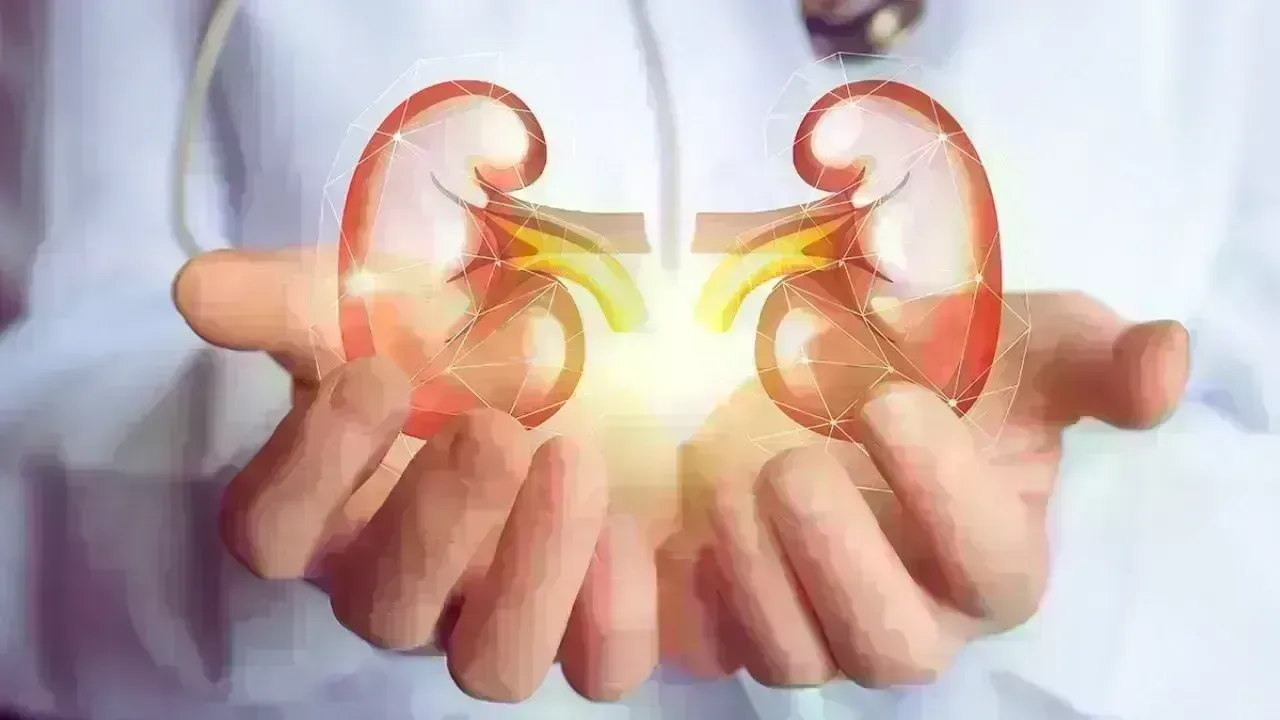
Kidneys do not hurt when they start failing.
Most people do not feel anything until more than half their kidney function is destroyed.
By the time symptoms appear:
Recovery options are limited
Dialysis becomes certain
Transplant enters the conversation
Instead, subtle signs may include:
Slight swelling
Reduced appetite
Dry skin
Frequent urination at night
Foamy urine
Elevated blood pressure
But most people notice nothing.
When kidneys fail:
Toxins remain in bloodstream
Fluids accumulate in lungs
Blood pressure spikes
Heart disease risk doubles
Anaemia develops
Kidney failure rarely arrives alone.
It drags other organs down too.
“What is my creatinine level?”
“What is my eGFR score?”
“Is there protein in my urine?”
“Do my kidneys look fine for my age?”
A simple urine test can catch CKD early.
Don’t wait for symptoms.
Your liver cannot hurt.
It has no pain receptors.
That makes liver disease terrifyingly silent.
Fat accumulates silently, scarring tissue gradually, and eventually causing:
Cirrhosis
Liver failure
Cancer
Portal hypertension
It is closely linked to:
Poor diet
Obesity
Diabetes
Sedentary habits
Alcohol intake
Sugar overload
Fatty liver now affects young adults and teenagers.
Bloating
Mild fatigue
Loss of appetite
Slight abdominal discomfort
Disinterest in food
Often blamed on “acidity” or irregular meals.
“Are my liver enzymes normal?”
“Should I get an ultrasound?”
“Is fatty liver reversible for me?”
“What changes must I make now?”
Fatty liver is reversible only early.
Later stages are permanent.
Heart disease may not always start with chest pain.
Often the first warning is:
Sudden collapse
Heart attack
Irregular heartbeat
Stroke
Until then, arteries narrow silently.
Plaque builds quietly.
Heart muscles weaken unnoticed.
Cholesterol imbalance
Family history
Obesity
Smoking
Alcohol use
Stress
Sleep deprivation
Diabetes
Blood pressure issues
Breathlessness
Jaw discomfort
Back pain
Occasional palpitations
Fatigue
Indigestion-like discomfort
Heart symptoms don’t always look dramatic.
Especially in women.
“What is my cholesterol profile?”
“Do I need ECG or stress testing?”
“Is my risk low or rising?”
“Do I need preventive medication?”
“What lifestyle changes protect me best?”
Prevention beats ambulance rides.
“I feel fine.”
“I’m too young.”
“No family history.”
“I’ll check next year.”
“Healthcare is expensive.”
Silent killers thrive on delay.
The cost of late discovery is always higher than early testing.
Blood pressure: Every 6–12 months
Blood sugar: Annually
Kidney function: Annually after 35
Liver profile: Annually if risk exists
Lipids: Annually after 30
Earlier if you:
Smoke
Drink
Are overweight
Sit long hours
Have family history
Have diabetes or hypertension
Screening is not fear.
It is foresight.
Walk daily
Reduce sugar
Cut deep-fried food
Drink water regularly
Avoid tobacco
Limit alcohol
Sleep properly
Eat fibre-rich foods
Control stress
Maintain healthy weight
Prevention is not medicine.
It is behaviour.
Health is not static.
A report from last year:
Does not predict this year
Does not erase risk
Does not cancel genetics
Does not stop aging
Health must be checked, not trusted blindly.
| Stage | Expense |
|---|---|
| Early detection | Affordable |
| Managed condition | Moderate |
| Emergency admission | High |
| Organ failure | Life-changing cost |
| Long-term treatment | Financial devastation |
Your health is the cheapest only before it breaks.
Silent killers do not crash the body suddenly.
They erode it patiently.
They wait until:
Recovery costs multiply
Treatment becomes lifelong
Fear replaces choice
You don’t defeat them by bravery.
You defeat them with awareness.
Go for checkups — not because you are sick, but because you refuse to be surprised.
Ask the hard questions — while you still have time to change the answers.
Health is not something you regain.
It is something you protect.
This article is for general informational purposes only and does not substitute professional medical advice, diagnosis, or treatment. Readers should consult qualified healthcare professionals for personal medical decisions and screening recommendations based on their health profile and risk factors.




Josh Kerr and Jakob Ingebrigtsen Set for 1,500m Rivalry Rematch
Josh Kerr and Jakob Ingebrigtsen will renew their 1,500m rivalry at the Ultimate Championship in Bud

PSG Coach Luis Enrique Urges Players to Step Outside Comfort Zone
PSG coach Luis Enrique says players must leave their comfort zone and keep improving as the club tar

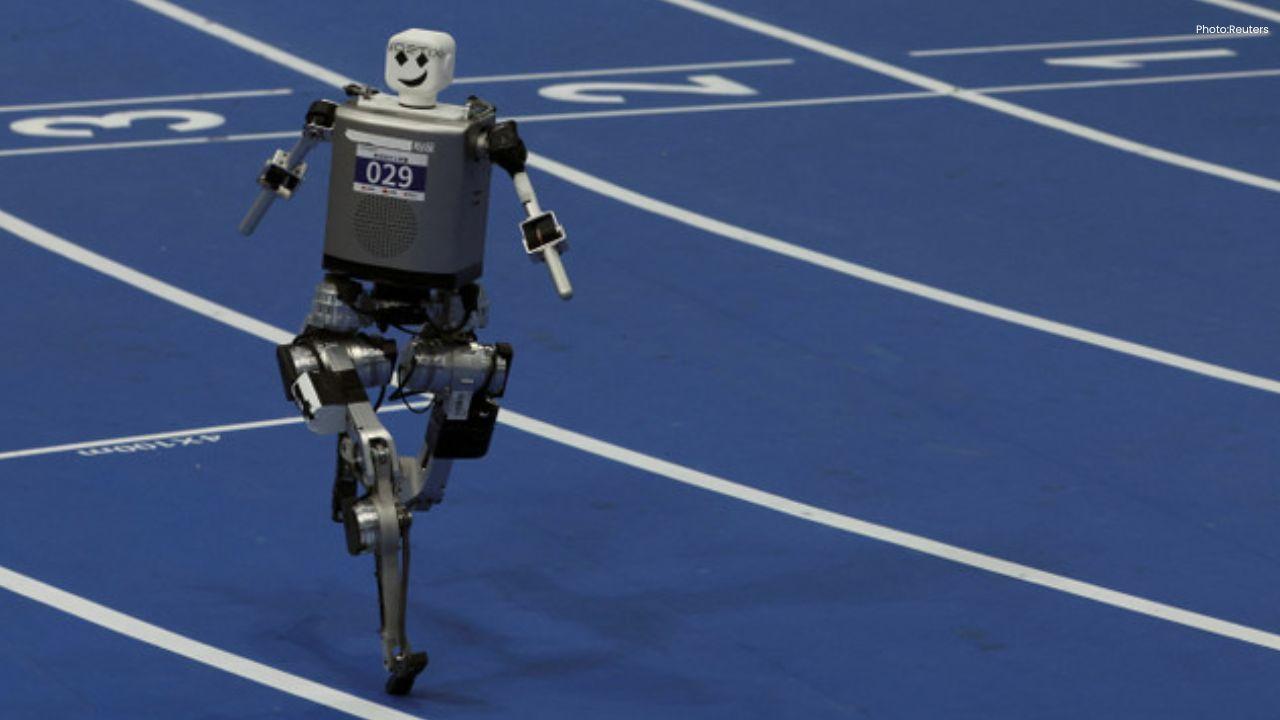
China’s Tiangong Sets New 400m Record at Robot Olympics
China’s Tiangong robot sets a new 400m record at the Robot Olympics, beating a South African robot i

George Russell Wins Dutch GP Sprint, Boosts Mercedes Morale
George Russell wins the Dutch GP Sprint from pole as Mercedes teammate Kimi Antonelli extends his F1

Australia 50/3 After Bangladesh Bowled Out for 64 in Second Test
Australia reached 50/3 after Bangladesh were bowled out for 64 in the second Test, with Mitchell Sta

Jordan Burroughs Returns to Wrestling with 2028 Olympic Dream
Jordan Burroughs returns to wrestling with Real American Freestyle as the Olympic champion eyes a po

