
You have not yet added any article to your bookmarks!
Join 10k+ people to get notified about new posts, news and tips.
Do not worry we don't spam!
Post by : Badri Ariffin
Tensions between the United States and Iran are approaching a critical juncture in the Middle East. US President Donald Trump has called for Iran to engage in diplomatic discussions as missile and drone strikes persist against the United Arab Emirates.
While clashes continue, US officials insist that a ceasefire technically remains in place, though the frequency of military actions suggests an unstable environment.
Strait of Hormuz: A Critical Flashpoint
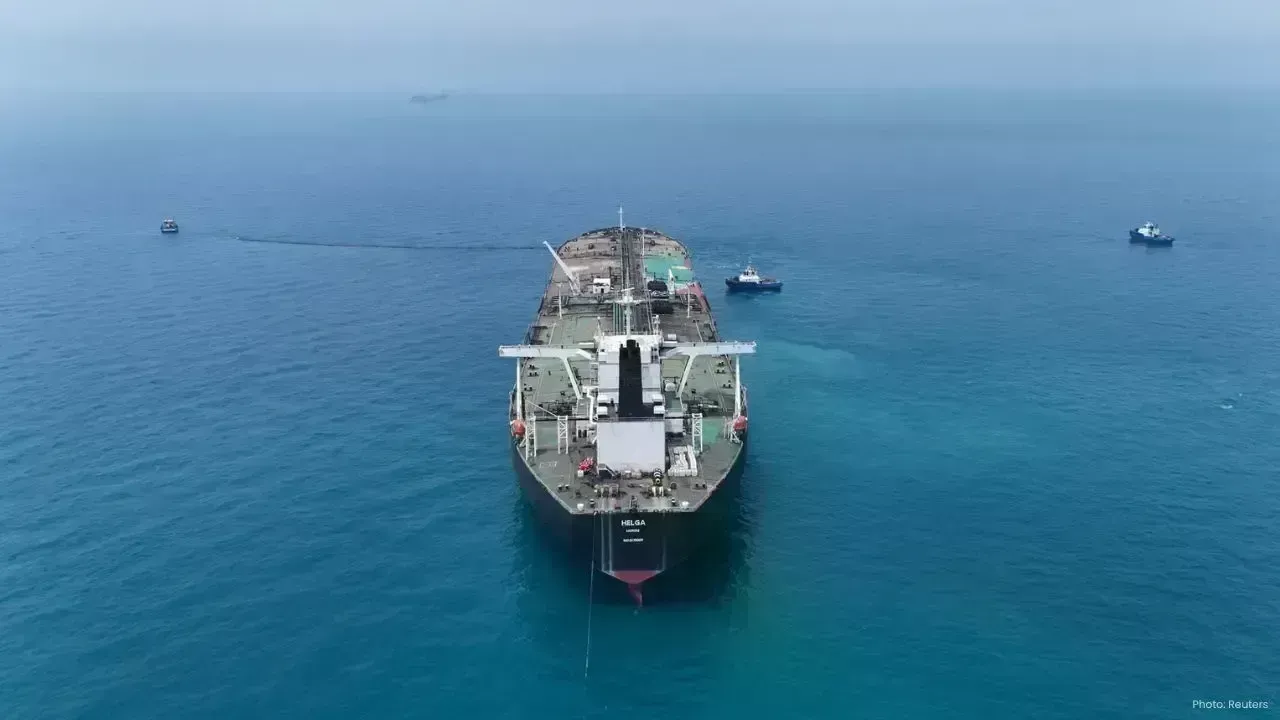
The heart of the crisis lies in the Strait of Hormuz, a vital passage for global oil transportation. Approximately 20% of the world's oil traverses this crucial waterway, making it particularly vulnerable to conflict.
Disruptions in this area could have immediate repercussions on global energy markets and oil pricing.
US Balances Diplomacy and Military Moves
While urging Iran to return to the negotiating table, President Trump has simultaneously ramped up military deployment in the region. A new naval initiative has been introduced to safeguard commercial vessels in contested waters, with US officials stating this effort is designed to protect shipping routes, despite Iran’s warnings that non-compliance may result in action.
UAE Successfully Defends Against Attacks
The United Arab Emirates confirmed its defense systems successfully intercepted several missile and drone threats. Officials characterized these attacks as a significant escalation, particularly as they occurred in the wake of a supposed ceasefire. Such incidents underscore the increasing threats to regional security.
Fragile Ceasefire Status
Despite US assertions that the ceasefire remains intact, ongoing attacks and military skirmishes indicate that it is under considerable strain.
Iran’s actions appear measured yet consistent, maintaining high tension without leading to full-scale war.
The Oil Markets Feel the Pinch
The ongoing situation is already shaking the foundations of the global oil market. Worries over shipping interruptions and regional chaos are exacerbating uncertainty in energy supply chains.
Market observers in the Gulf are intently monitoring developments, with prolonged tensions posing potential economic ramifications.
A High-Stakes Standoff Persists
Both the US and Iran appear stuck in a calculated confrontation. While Washington intertwines diplomatic pursuits with military posturing, Iran continues to assert its influence in the region.
With every new incident, the potential for escalation increases, marking the situation as one of the most significant geopolitical dilemmas on the world stage.










PM Modi Pays Tribute to Mahatma Gandhi, Urges People to Support Khadi
PM Modi pays tribute to Mahatma Gandhi on Gandhi Jayanti and urges citizens to support Khadi and the

Amazon Seeks to Offload $8 Billion in Nvidia Chips to Investors
Amazon plans to move $8 billion in Nvidia chips to investors, using a new financing model to strengt

Samsung Raises Galaxy S26 Prices as Memory Chip Costs Rise
Samsung raises Galaxy S26 prices in South Korea as rising memory chip costs put pressure on smartpho

Lewis Hamilton Calls Singapore Grand Prix One of F1's Toughest Races
Lewis Hamilton discusses the demanding Singapore Grand Prix and brings Plus44 and Almave to Singapor

Denmark's Pandora Opens World's Largest Jewellery Factory in Vietnam
Pandora opens its largest jewellery factory in Vietnam, expanding global production, strengthening s

Gautam Gambhir Questions Batting-Friendly Pitches After India's Record ODI Chase
Gautam Gambhir questions batting-friendly ODI pitches after India’s record chase, calling for a bett

